25 April 2025 Friday
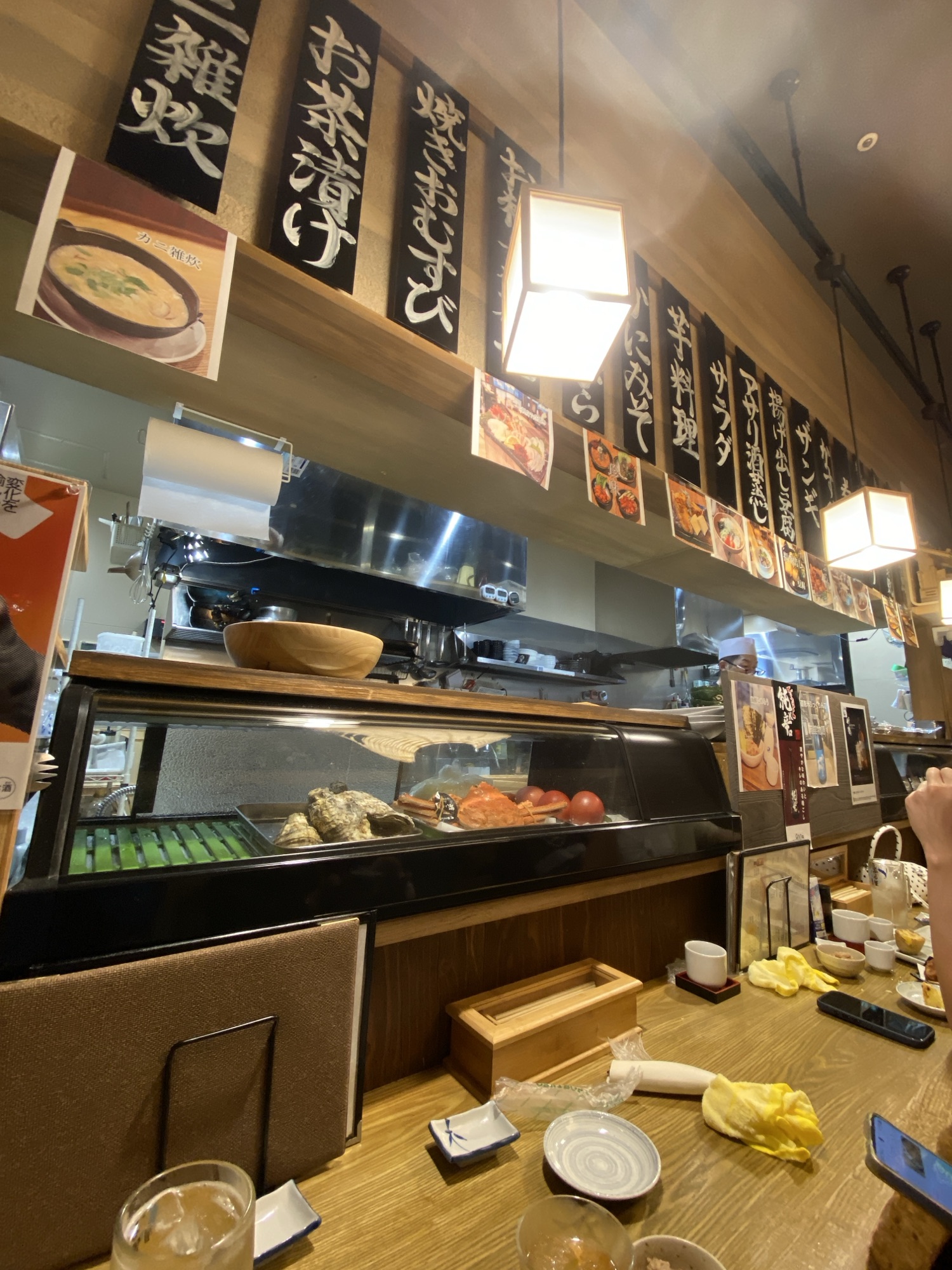
Breakfast at Sunday Fuller Cafe @ Nagoya

We came across this well-known spot online—Bucyo Coffee—and thought, “Let’s go for it.” But when we got there, there was a 20-person waiting list. For breakfast. That was a bit much for our morning energy, so we decided to move on.

Plan B was Komeda Coffee, but on the way there, we spotted a nice little café across the street through the window of a building called SUNDAY FULLER CAFE. It looked inviting, so we gave it a shot—and it turned out to be a good call.
Their “waffle” was more of a croffle, and it went really well with the ice cream. The yogurt was great too—exactly the kind I like. Not bad for a backup plan. Then again, the preparation time is a bit long, so for those who are in a tight schedule, it is best to grab a quick bite at the bakeries or convenience stores.
Inuyama Castle Town

To visit Inuyama Castle, you can take the train from Nagoya Train Station, get off at either Inuyama Station or Inuyama Yuen Station. Since both are at opposite ends of the main shopping street, we picked Inuyama Yuen to avoid walking back and forth.
Getting there from Nagoya should’ve been simple if we had taken a minute to read the train schedule. But we rushed onto the first train that seemed right, second-guessed ourselves, switched trains, and only later realized the first one was actually correct. Still, the extra ride gave us a nice break after walking around hunting for breakfast. I guess the moral of the story is – just be relaxed and check your route before you board the train. But if you do board the wrong train, just remain calm and figure out the next route.

The walk from the station to the castle took us along the Kiso River, which ended up being a peaceful and scenic route. It was a nice way to ease into the day and take in the atmosphere of the town.
Compared to the area around the main station, this part of town felt more charming and lived-in. The streets were quiet but not in a dull way—more like slow-paced and pleasant.
From the bottom, the castle looks quite high up, but the path leading to it was well designed—gentle slope, manageable pace. We appreciated the thought that clearly went into making it accessible.

The town’s efforts to support tourism didn’t go unnoticed. There were clean public restrooms, helpful signs with maps and photography tips, and various ticket bundles that combined Inuyama Castle with smaller attractions nearby. We didn’t make full use of them since we were keeping things casual, but it was nice to have the options.
On the way up to Inuyama Castle, we passed the Haritsuna Shrine and stopped briefly—definitely worth a photo or two. Quiet and understated, the shrine has a long history dating back to the Heian period and is closely tied to the powerful Oda clan. It enshrines Oda Haritsuna, an ancestor of Oda Nobunaga, and sits just below the castle, almost as if guarding it.
Today, it’s best known as the starting point of the vibrant Inuyama Festival each April, where towering floats parade through the old streets. Even outside of festival season, the shrine’s peaceful atmosphere and historical significance make it a worthwhile stop on the way to the castle.


Inuyama Castle is one of Japan’s oldest surviving original castles, and it’s easy to feel that history as soon as you step inside. Built in 1537 by Oda Nobuyasu (uncle of Oda Nobunaga), it stands on a strategic hill overlooking the Kiso River, and remains one of only twelve castles in Japan with a keep (tenshu) that has survived since the feudal era. It’s also one of just five castles designated a National Treasure—a rare honor recognizing its exceptional historical and architectural value.
To go inside, we took off our shoes and placed them in the provided plastic bags, then began climbing the steep, narrow wooden stairs. Each level gave us a full 360° view of the castle’s interior layout—from weapon racks and viewing decks to creaky corridors that whispered with age. Strangely enough, after two days of walking on hard city streets, the smooth wood floors felt oddly comforting underfoot.
The top floor opened out to a wraparound balcony with panoramic views over the river, the old town below, and the surrounding mountains—once used to spot incoming threats, now just breathtaking scenery.
We didn’t take many photos. Sometimes, when I’m in a place that feels deeply rooted in history, I like to just be there—to soak in the atmosphere without the filter of a screen. The scent of old wood, the way the floors groaned underfoot, the breeze coming in through the open windows… It felt right to simply enjoy the moment.

At the top, we stepped out onto the outer corridor, which gives you a full panoramic view of the town. It’s definitely a highlight—although not for those afraid of heights. I saw a girl clinging tightly to her boyfriend’s arm; neither of them could quite bring themselves to look up as they carefully inched along the balcony. It was a bit amusing to me, because I found the view absolutely breathtaking, and the blazing winds refreshing.
Sanko Inari Shrine

Near the castle is Sanko Inari Shrine, which we passed on our way up. There’s even a spot to “wash money”—a little ritual that’s supposed to bring financial luck. We didn’t try it, but it was a fun little discovery.
Walk around Showa Alley


After visiting the castle, we took a stroll through Showa Alley (昭和横丁), a small retro-style street nearby that’s full of nostalgic charm. Designed to evoke the atmosphere of Japan’s Showa era (1926–1989), it felt a bit like stepping back in time. The alley is lined with old-style shopfronts, vintage signage, and small food stalls—it’s the kind of place where you just wander and snack as you go.
We tried some local craft beer, Hida beef sushi, and refreshing matcha drinks—all delicious. It was just fun to nibble our way along the street while soaking in the atmosphere. There were quite a few tourists, but not so many that it felt overcrowded. It was actually the perfect balance: busy enough that we didn’t feel awkward or out of place, like we were being watched as the only ones browsing—but still calm enough to take in the views, enjoy our snacks, and snap a few pretty photos without having to elbow through a crowd.
Later, we wrapped up the day with a meal at 飛騨牛すき焼き専門店 肉兵衛本店—a sukiyaki place specializing in Hida beef. You order first, come back after 30 minutes, and get served a hearty, flavorful hot pot. It really hit the spot.


Overall, Inuyama offered a great mix of old-town charm and thoughtful touches for visitors. It was a slow-paced, easygoing day filled with small, memorable moments—the kind you don’t always plan for, but end up appreciating the most.
But our journey didn’t end there—we still had one mission left: continuing our manhole card hunt.
Collecting Manhole Cards at Inuyama City Hall
We picked up another manhole card at Inuyama City Hall, just a short walk from Inuyama Train Station. Walking into a city hall felt a little intimidating at first—after all, we had no official business there, and we don’t even speak the language. It almost felt like intruding into someone else’s space.
But the building had clear signs pointing the way to the second floor, and nobody batted an eye as we passed by. When we reached the designated spot, a staff member immediately understood why we were there and handed us the card with a smile.

It was oddly satisfying—not exactly an “achievement unlocked” moment, but more like discovering a hidden corner on a map. Unlike visiting the usual tourist spots, these detours make us feel like we’re glimpsing parts of the city that most visitors would never see. Maybe it’s just my restless curiosity, but that little adventure was strangely fulfilling.
Why Visiting a City Hall in Japan Can Be Fun
Most tourists stick to shrines, castles, and scenic spots—but city halls? Not so much. Yet, wandering into a government building, seeing how it operates, and collecting a small collectible like a manhole card turns it into a little adventure.
There’s something satisfying about exploring spaces that aren’t designed for tourists. It makes the city feel more real, more lived-in, and just a bit mysterious.
How to Find Manhole Card Locations Online
If you want to start your own manhole card collection, never forget this website: https://www.gk-p.jp/mhcard/
It’s in Japanese, so I use a translator app to make it readable in English. From there, I pick the cards closest to the attractions we’re already planning to visit. The ones that are too far away? We just let them go.
Using Google Maps to Track Manhole Card Spots
For my own records, I pin every card location on Google Maps. It helps me plan which ones to visit during the trip and keeps a digital trail of our little adventures. You can see the Inuyama spot here: Google Maps link.
Exploring Hidden Parts of the City Through Manhole Cards
Sometimes, when we’re not sure how to spend an afternoon, we just look up a manhole card location and head there. It’s a fun excuse to wander into neighborhoods we might otherwise skip, see a different side of the city, and make our trip a little more unique.
Budget Guide for Inuyama Day Trip:
- Train & Castle Ticket Combo: ¥1,700 (includes Inuyama Castle & Urakuen Garden; excludes Meiji-Mura Museum)
- Bus Fare: ¥105 (from hostel to train station)
- Meals: ¥2,000–3,000 (breakfast & lunch; varies by preference)
- Souvenirs & Additional Tickets: ~¥1,000 (depends on personal spending)
💡 Tip: The total budget can vary based on personal choices, but this plan offers a comprehensive and enjoyable day trip from Nagoya to Inuyama. Always check the latest information before your visit to ensure a smooth experience.
Inuyama Day Trip or Overnight? Transport & Hotel Tips
It’s common to visit Inuyama as a day trip, but if you’re considering staying overnight, you might want to look into Hotel Indigo Inuyama Urakuen Garden by IHG. It’s located right next to Urakuen Garden — a peaceful, beautifully landscaped garden that features the national treasure Jo-an tea house. The hotel looked really nice when I was researching — more of a splurge option, definitely not for the budget-conscious — but I ended up skipping it. If you do stay there, let me know if it’s as good as it looks!
For budget travellers or day-trippers, there’s a great value combo pass you might want to consider:
👉 Inuyama Castle, Meiji-Mura Museum, and Meitetsu Train Ticket
Last time we went, we bought another round-trip package that included the castle, Urakuen Garden, and some discount coupons — though we only ended up using the castle ticket and the train pass. Didn’t even make it to the garden in the end, we were so tired 😅 That’s why I think staying a night could actually be a smart idea — gives you more breathing room to enjoy everything.
What I really wanted to visit — and still do — is the Meiji-Mura Museum. It’s an open-air architectural museum featuring over 60 preserved buildings from the Meiji period (1868–1912), including old train stations, schools, churches, and even a part of Frank Lloyd Wright’s Imperial Hotel. It’s like stepping back in time and walking through an entire era of modernization in Japan. A must if you’re into history, architecture, or just enjoy unique cultural spots. The place is pretty big, so give yourself at least half a day (if not more) to enjoy it properly!
So yeah — day trip is totally doable, but if you want to take it slow and soak it all in, an overnight stay might be the way to go. 😉
👉 A complete 38-day Japan itinerary, including Nakasendo walking, Kumano Kodo hiking, Shimanami Kaido cycling, and a Kyushu road trip.
👉 Guide and tips for collecting Manhole Cards across Japan — click here to read more.
👉 Don’t miss Japan’s postcard-sending experience — read the full guide here.
👉 10 standout food experiences worth seeking out – Japan Foodie Map: My Top 10 Meals Across Japan