Day 3: 26 April 2025 Saturday
A Samurai Afternoon in Tsumago, Nakasendo

Swinging an imaginary sword in a borrowed samurai outfit, my father was enjoying himself. Dressed like a warrior of old, he laughed at his own theatrics, a cheerful caricature of a samurai. It was a lighthearted moment—but one that stirred deeper thoughts.
I tend to think of tourism as stepping into someone’s home—never quite invited, always slightly intrusive. Comedian Trevor Noah once joked about his “authentic Bali experience,” in which they get to visit some local people’s house as it is. It’s a form of cultural voyeurism that can reek of superiority, even when unintended.
As a Malaysian, I don’t think anyone accuses us of feeling superior towards Japanese culture. Still, for some of us, simply being a tourist carries that quiet unease of intruding someone else’s space.
Cultural appropriation is a hot topic—some see dressing in traditional attire as disrespectful, while others consider it a sign of appreciation. The samurai, with their strict code of honour, feel like a particularly sensitive subject. Thankfully, in Tsumago, cosplaying as a samurai is welcomed. The local heritage house even provides costumes for tourists to try on.
And really, watching him pose proudly in full gear was as funny as it could get.
The Road Between Mountains: History of the Nakasendo

We were in Tsumago, one of the best-preserved post towns along the historic Nakasendo Trail—a centuries-old route once travelled by feudal lords journeying to Edo (modern-day Tokyo) to pay their respects to the shogun.
The Nakasendo (中山道), meaning “Central Mountain Route,” was one of the five major highways of the Edo period, connecting Kyoto and Edo over a distance of about 534 kilometers. Unlike the coastal Tokaido route, the Nakasendo wound through the mountains, offering travelers dramatic landscapes and a string of 69 post towns where they could rest, eat, and resupply in the old days.
But this trail was more than just a transportation route—it was a symbol of the shogunate’s control, requiring regional lords to periodically leave their domains and make the long journey to Edo in elaborate processions. These scenes were famously captured in ukiyo-e woodblock prints, turning the road itself into a subject of art and legend.
Today, much of the trail has disappeared into modern infrastructure, but a few sections—especially in the Kiso Valley—have been lovingly preserved. Magome and Tsumago remain two of the most popular stops for travelers looking to experience Japan’s past: charming wooden buildings, cobbled paths, and peaceful mountain views that still echo the footsteps of history.
Our journey began in Nagoya, more than an hour away. Though modern transport shrinks distance, the reality of rural travel in Japan still demands time and patience. From Nagoya, we took a train to Nakatsugawa (around 2 hours), then boarded a local bus to Magome, as vehicles aren’t allowed within the preserved town areas.

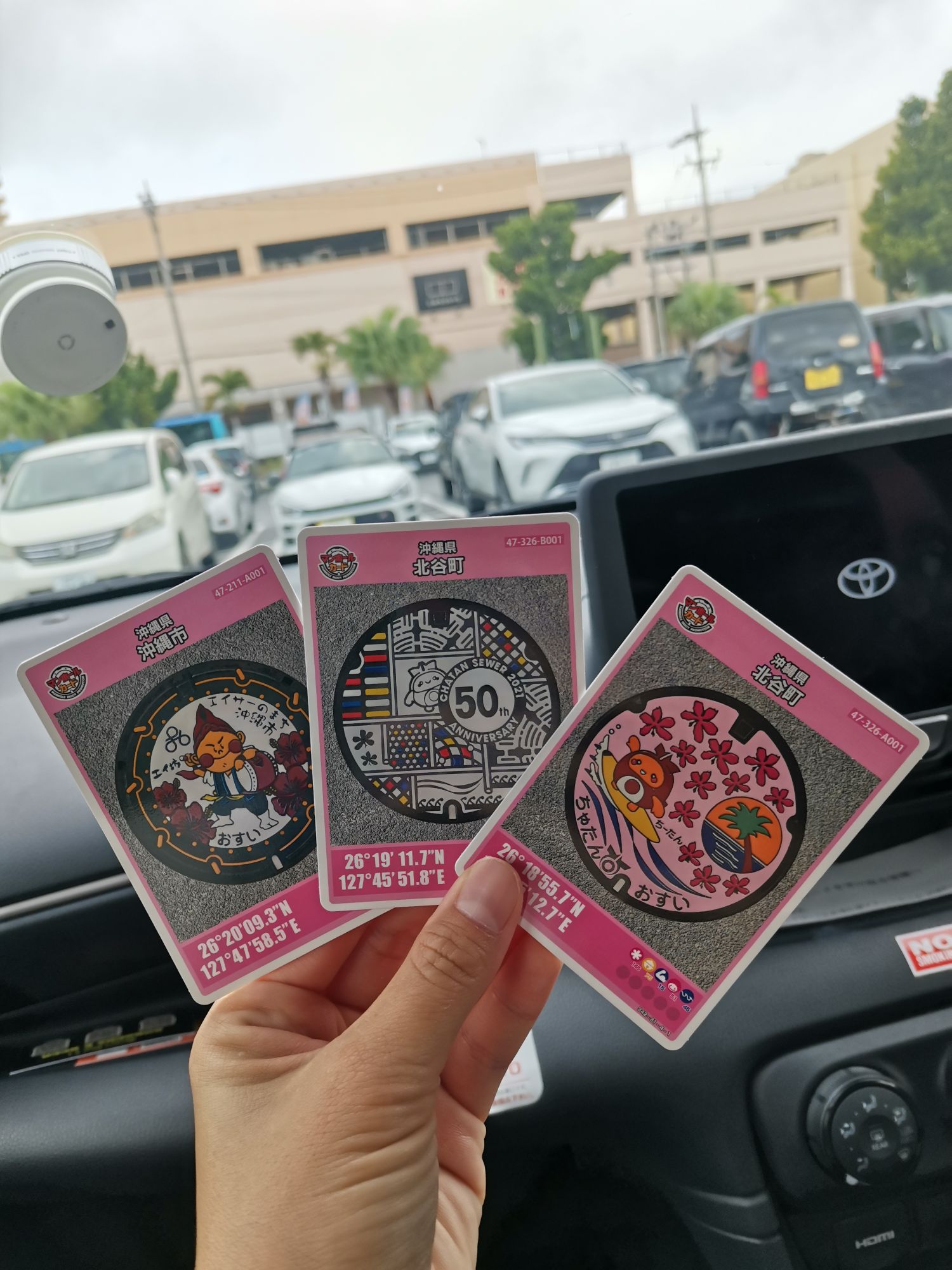
It was a breezy Saturday morning when we arrived in Nakatsugawa. Tourist info centers near stations are invaluable in Japan—we grabbed a manhole card, stamped my small booklet, and caught the bus to Magome.

Magome: Bustling Post Town in the Kiso Valley
The bus filled up quickly as we made our way into Magome, and it was just as charming as I had imagined—stone-paved paths, old wooden houses, and turning waterwheels that looked like they belonged in a Ghibli film. Unlike some quieter towns (even Tokoname, near a major airport, can feel oddly deserted in terms of tourists, maybe it was just not the right season), Magome was full of life. It was the weekend, and the streets buzzed with both local and international tourists browsing shops stocked with snacks, traditional sweets, and souvenirs.
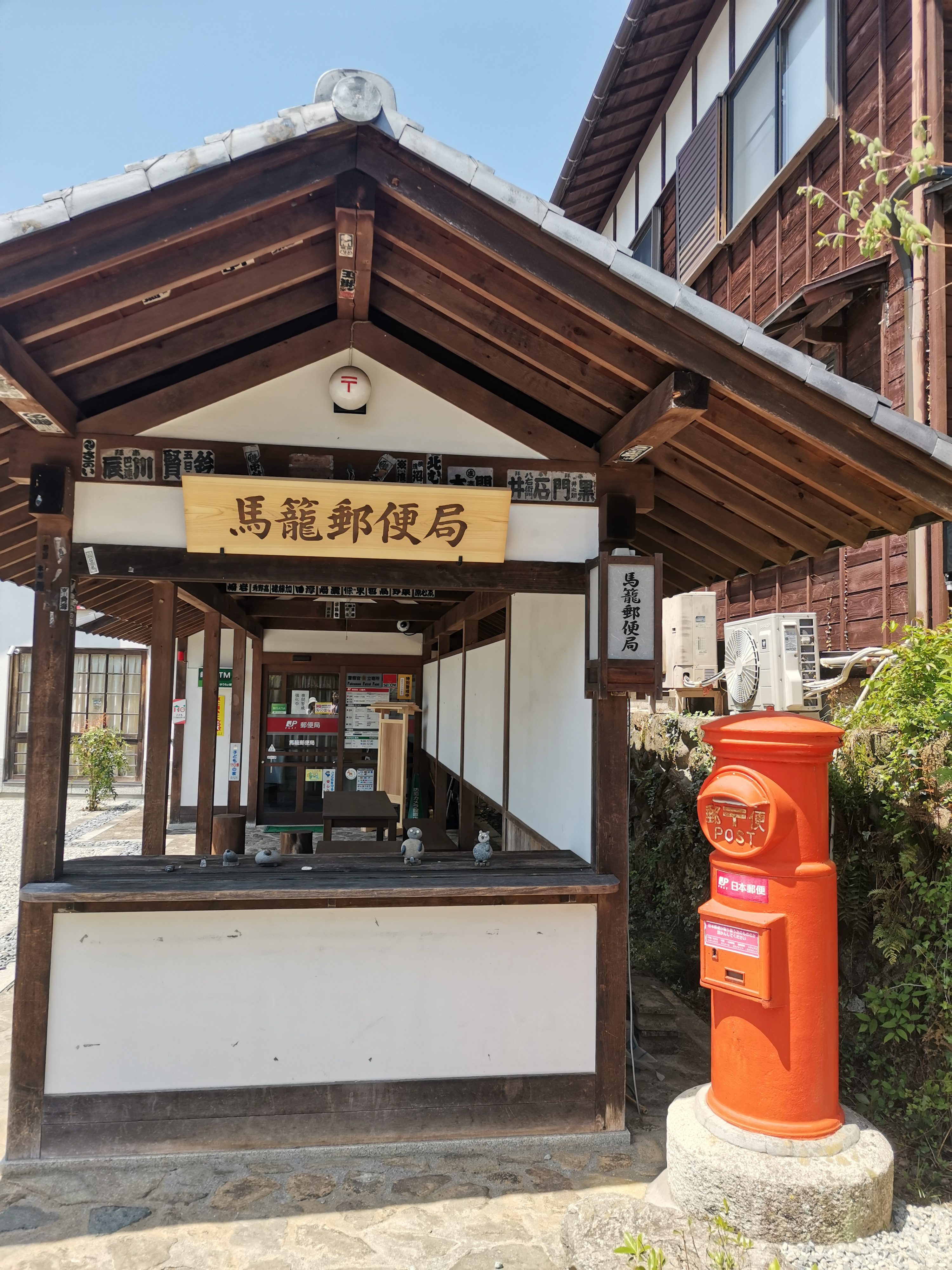
Magome-juku (馬籠宿), located in Gifu Prefecture, is one of the most visited post towns in the Kiso Valley, and it’s easy to see why. The town beautifully preserves its Edo-period atmosphere while still feeling alive and welcoming.


Since most shops close by 5 p.m. and the last buses leave around 6 p.m., we quickly dropped our backpacks at the inn and set off on the hike to Tsumago. The trail is popular and scenic—definitely more beginner-friendly than the Kumano Kodo or Shimanami Kaido—but it can still be a bit of a workout if you’re not used to hiking.
Hiking from Magome to Tsumago


Though sakura season had passed, a few cherry trees still bloomed along the way. What surprised us were the maple trees. Their star-shaped leaves reminded me that autumn isn’t their only season—they’re stunning year-round. I’m no botanist, but they were hard to miss.
Tsumago: Preserved Edo-Period Charm
Tsumago-juku, is a quiet, lovingly maintained traditional post town up in the Japanese Alps, one of the highlights of the Kiso Valley. Nestled in the heart of Japan’s Kiso Valley lies Tsumago, one of the best preserved post towns from the Edo-period.


Tsumago felt quieter than Magome, though perhaps slightly larger. It was here, among the preserved wooden buildings and scenic alleys, that my dad found the samurai costume—and had the time of his life. We didn’t linger too long, though; we needed to catch the 4 p.m. bus back and knew from experience to arrive early if we wanted seats.
Returning to Magome & Staying at Magome Chaya
Back in Magome, the evening was chilly but peaceful. We stayed at Magome Chaya, a charming old inn. Originally, we had planned to explore the now-quiet town—most day-trippers leave by sundown—but exhaustion caught up with us, and we spent the night resting instead.


Magome Chaya was incredibly popular, and we were lucky to snag two beds when a spot suddenly opened up—it was a full house during our stay! I highly recommend booking their dinner and lunch in advance.
After 5 PM, the town became quiet. I noticed a few people walking in, hoping for a table as walk-in guests, but the inn only served meals to overnight guests at night—likely because they were fully booked. While we didn’t explore much after dinner, I imagine there were limited dining options outside the inn.
If you want to save a little money while staying overnight, it’s a good idea to pack some snacks. That said, the food at Magome Chaya is excellent, and I definitely recommend trying their meal plan—it’s worth it! 😊
Access & Travel Options Between Magome, Tsumago, and Nagiso
Plan A: Walk to Tsumago / Nagiso & Ride The Bus Back
Continue to walk from Magome to Tsumago (3h), either reach Tsumago and ride back at 4.42pm, or walk another 1 hour to Nagiso station and ride the 4.35pm bus back to Magome (5.10pm).

Plan B: Take the Bus to Tsumago and slowly walk back to Magome
Ride the bus at 1.25pm to Tsumago at 1.51pm. Explore Tsumago town and walk back to Magome (3h), reaching around 4pm.

Nakasendo Budget Guide
- Return Train Ticket (Nagoya ↔ Nakatsugawa): ~2,700 yen
- Bus Ticket (Nakatsugawa → Magome): ~500 yen
- Bus Ticket (Magome → Tsumago, one-way): ~500 yen
- Accommodation at Magome Chaya: Bunk bed only, price varies by season, ~5,200 yen
- Dinner at Magome Chaya: ~3,600 yen (highly recommended!)
- Breakfast & Lunch: ~2,000–3,000 yen (depends on preference)
- Snacks & Souvenirs: varies by personal spending
💡 Estimated Total for 1 Person: ~15,000 yen
💡 Tip: Meals at Magome Chaya are worth it, but if you want to save, packing some snacks is a good idea.
🌄 Extend Your Nakasendo Adventure!
Magome and Tsumago are just a small part of the Nakasendo Trail. For a fuller journey, consider visiting Narai and Hikone too!
- Stunning mountain views along the trail.
- Charming historic villages to explore.
- Walk in samurai footsteps through the past.
- Experience a poetic, off-the-beaten-path adventure.
For a self-driving or self-guided tour along the Nakasendo, check out this option:
👉 A complete 38-day Japan itinerary, including Nakasendo walking, Kumano Kodo hiking, Shimanami Kaido cycling, and a Kyushu road trip.
👉 Guide and tips for collecting Manhole Cards across Japan — click here to read more.
👉 Don’t miss Japan’s postcard-sending experience — read the full guide here.
👉 10 standout food experiences worth seeking out – Japan Foodie Map: My Top 10 Meals Across Japan