

9 November 2026
A Slower Day in Yanbaru, Okinawa’s Untamed North
The day started quietly at Yambaru Discovery Forest, where the morning plan had originally been kayaking. The weather had other ideas.
Instead, we traded water for earth — and stepped into the forest.
Yanbaru (やんばる) refers to the rugged northern region of Okinawa Island, a landscape that feels completely different from the resort-heavy south. This is subtropical wilderness — dense, humid, and alive in ways that are not immediately visible.
Designated as part of a UNESCO World Heritage Site in 2021, Yanbaru is one of the last remaining habitats of its kind in Japan. It’s less about dramatic viewpoints, more about immersion — the kind where you begin to notice sound, texture, and absence.

Forest Hiking Instead of Kayaking
The forest hike wasn’t spectacular in the Instagram sense — and that’s exactly why it worked.
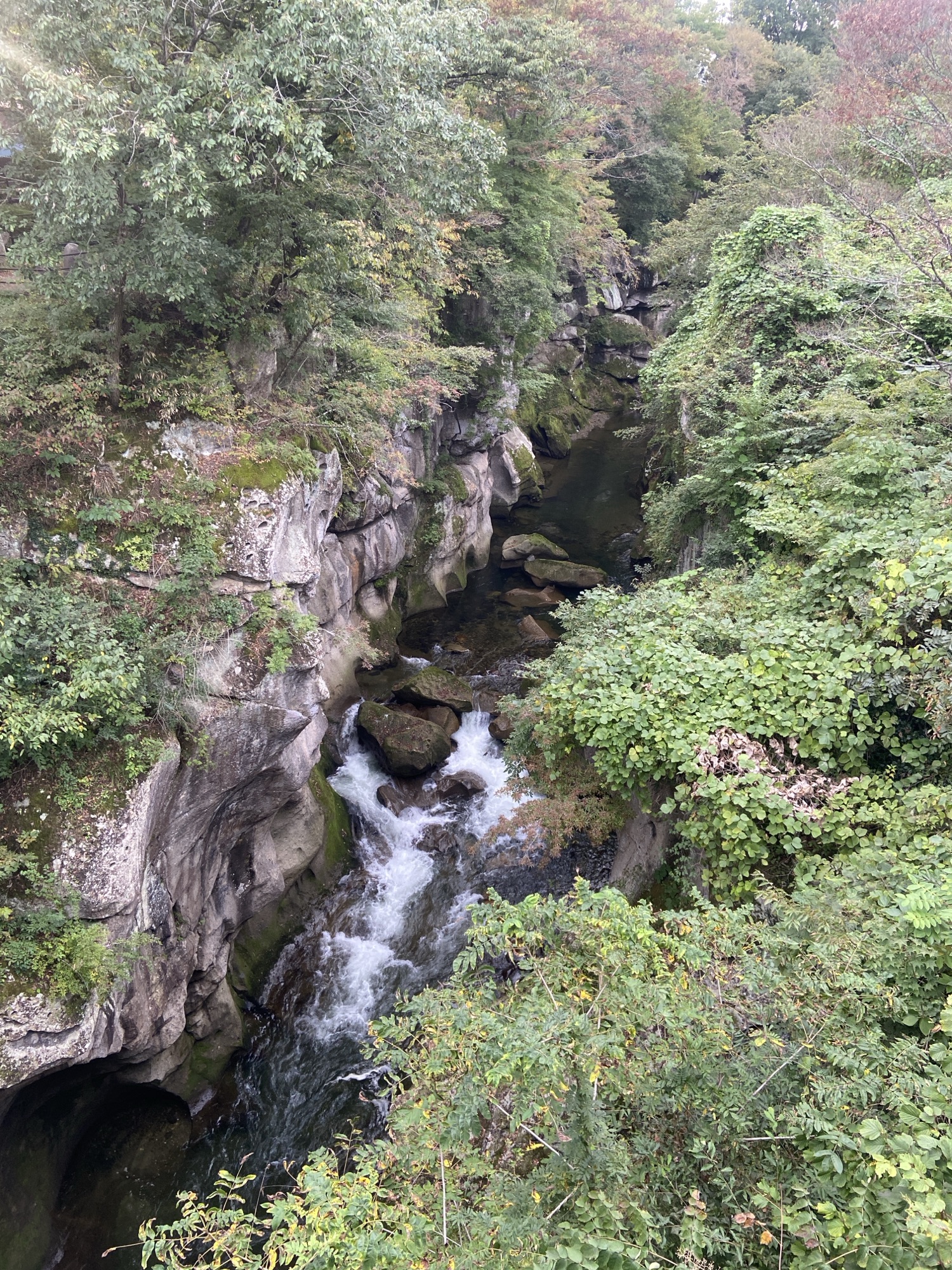
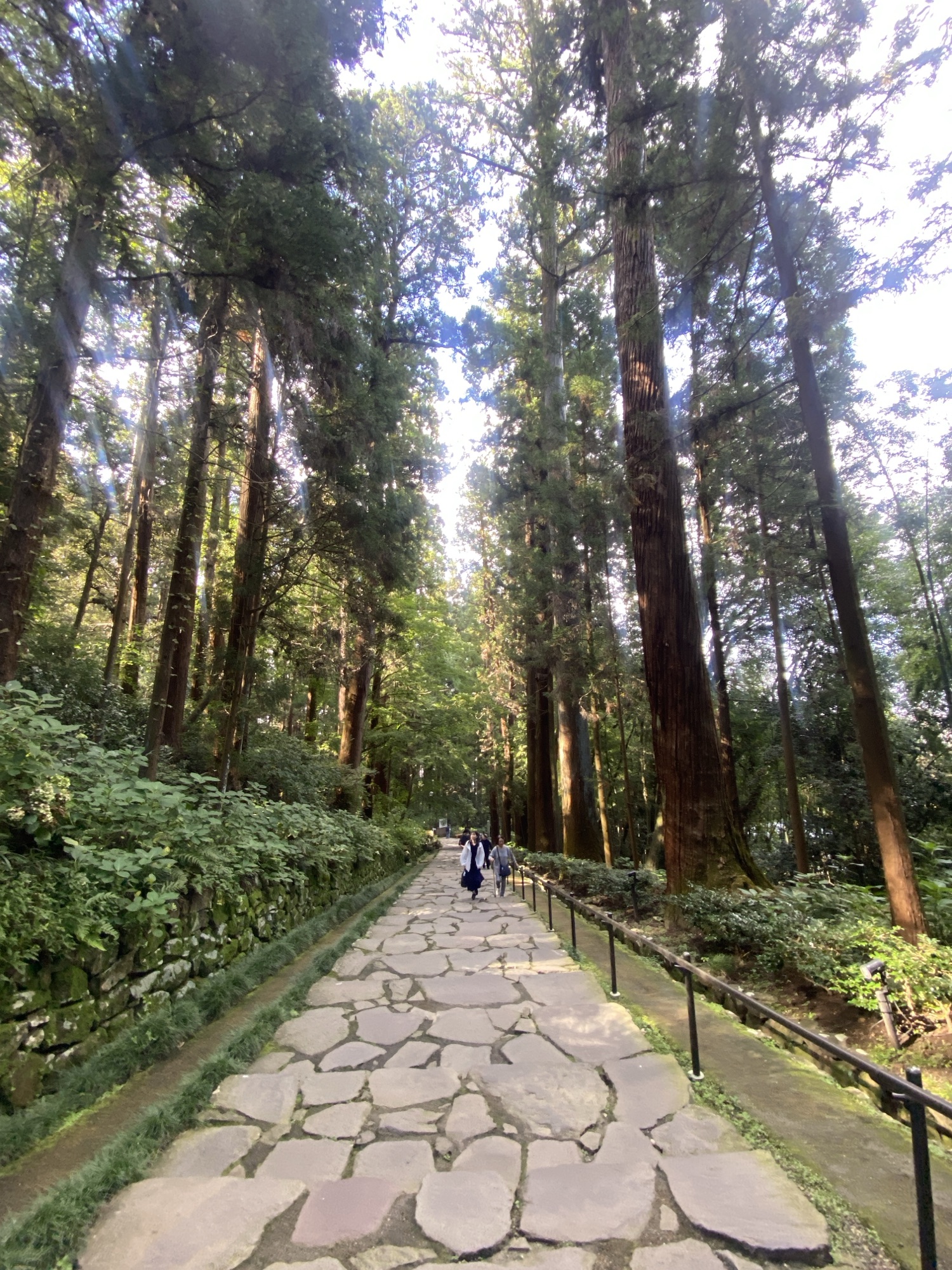
The trails wound through thick subtropical foliage, where towering trees filtered the light into something soft and diffused. The rain never fully arrived, but the air carried that after-rain heaviness — damp soil, leaves, and something ancient.
There’s something grounding about walking here. Yanbaru isn’t curated; it’s not built for you. And maybe that’s the point.


Driving the Edge: Yanbaru’s Northeast Coastline
By noon, we got back into the car and began tracing the northeastern edge of the island — a quiet, almost meditative drive that loops through some of Okinawa’s least developed coastline.
We stopped at Sedakazaki Lighthouse, a remote outpost overlooking the Pacific.
Unlike the dramatic cliffs of southern Okinawa, this coastline feels more subdued — windswept, isolated, and open. Historically, lighthouses like this played a quiet but critical role guiding vessels navigating the East China Sea, especially during Okinawa’s long history as the independent Ryukyu Kingdom, which thrived on maritime trade between China, Japan, and Southeast Asia.
Further along, we reached Sosu Beach — not your typical Okinawan beach.
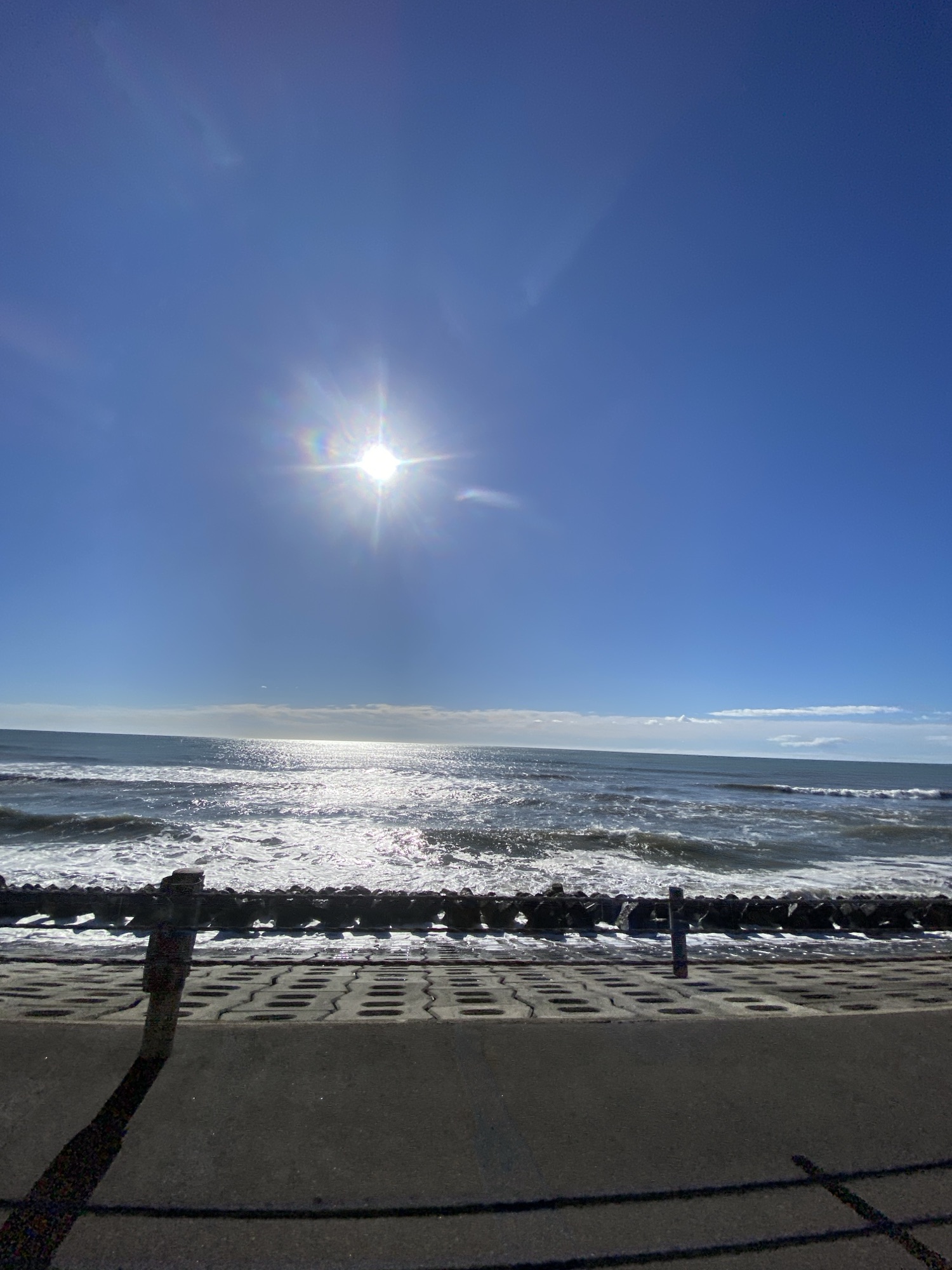
There’s no powdery white sand here. Instead, it’s rocky, textured, almost raw. But that’s what made it memorable. We spent time walking along the shore, picking up stones, letting time stretch a little. The sea was calm, the sky undecided.


A Lucky Encounter: The Yanbaru Kuina
Somewhere along this drive, we had one of the rarest moments of the trip — spotting the Yanbaru Kuina. Twice.
This small, flightless bird is endemic to Yanbaru — meaning it exists nowhere else in the world. First discovered in 1981, it’s become a symbol of Okinawa’s fragile ecosystem. With fewer than a few thousand individuals remaining, sightings are incredibly rare.
And yes — from a layman’s perspective, they do look like little running chickens.
But what makes them special isn’t just their rarity. It’s what they represent: survival in isolation, evolution shaped by an island ecosystem untouched for centuries — and now increasingly threatened by development and invasive species.
Seeing one feels like stumbling into something you weren’t meant to.
Seeing two? Pure luck.
A Quiet, Rainy Lunch
By mid-afternoon (around 3:30pm), we stopped for yakiniku at Yakiniku Lion Okuma.
Tucked away in the quieter northern stretch of Okinawa, this isn’t the kind of place you’d go out of your way to queue for — and that’s exactly its charm. When we arrived, it was almost empty, the kind of stillness that comes with light rain and a slow travel day.
The setting felt local, unpolished, and honest.
The beef, though, was solid — well-marbled, grilled simply, and deeply satisfying after a long day out in the forest and along the coast. There’s something about yakiniku in places like this — no frills, no rush — that makes the meal feel more grounded in the journey rather than a destination on its own.
In a region like Yanbaru, where dining options are limited and spread out, spots like this become part of the experience: less about “finding the best restaurant,” more about where the road happens to take you.


Onsen, Rest, and a Simple Dinner
After looping around Yanbaru, we made a quick stop at FamilyMart — a staple of any Japan trip — before heading back.
The evening slowed down again:
onsen bath, rest, and a simple dinner at 6pm.
Nothing extravagant. Just enough.

Night Hike: Learning to See in the Dark
At 7pm, we joined a guided night hike back in the forest.
No streetlights. No ambient glow. Just torches cutting through complete darkness.
The guide spoke mostly Japanese, and while we couldn’t follow everything, others in the group helped translate bits and pieces — enough to understand, but also enough to leave space for our own experience.
At some point, I deliberately slowed down and stayed behind.
Switched off my torch.
And just stood there.
In total darkness.
Not the kind of darkness you get in cities — this was absolute. The kind that reminds you how unnatural our constant exposure to light really is.
And with that came something else — a slight, almost primal sense of fear.
Because in that moment, it becomes very clear:
we’re not built for this anymore.
If I had to survive here, as an animal, with no tools, no light, no system — I wouldn’t last.
It makes you realise how “tamed” we’ve become. How far removed we are from the instincts that animals here rely on every day.
We didn’t see large wildlife — no wild boars or dramatic encounters. That’s the reality of forests like this. Animals avoid you long before you ever know they’re there.
But we saw signs — hoof prints, disturbed soil, movement you can’t quite trace.
And smaller life: frogs, fish, things that exist quietly whether you notice them or not.

Transport & Tips
- Getting Around:
Renting a car is essential in Yanbaru. Public transport is extremely limited, especially for places like Sedakazaki Lighthouse and Sosu Beach. - Night Hike Tour:
Book through accommodations or local eco-centres like Yambaru Discovery Forest. English may be limited — consider translation apps or joining mixed groups. - Wildlife Spotting Tip:
Drive slowly, especially near forested roads at dusk. The Yanbaru Kuina often crosses roads — but be careful, as road accidents are one of their biggest threats. - Weather Flexibility:
Yanbaru weather changes quickly. Always have a backup plan (forest hikes instead of kayaking, etc.). - What to Bring:
Light rain jacket, proper walking shoes, insect repellent, and a torch (even if provided).

Leave a Reply