
26 Sep 2025
A Cold Xinjiang Morning & Breakfast Near Kunlun Tower
We began our day in Kashgar with breakfast at a restaurant near Kunlun Tower. Even though it was late morning, the air still had that crisp early-autumn cold. The restaurant surprised us with its elegant, almost decadent decor—warm hues, polished wood, ornate touches—and a breakfast spread overflowing with naan, honey, yogurt, dried fruits, and all the rich flavours of Xinjiang.
The milk tea, however, was far too gamey for my taste. After trying milk tea several times across Xinjiang, I’ve come to a personal conclusion: this region is wonderful for herbal teas and fruit infusions, but perhaps not the best place for milk tea. The only exception so far is the salted milk tea we had in Tashkurgan, which was unexpectedly good.


A Walk That Turned Into a Postcard Adventure
After breakfast, with the morning still chilly, we walked to the Kashgar Post Office to send our postcards. The staff were exceptionally kind—helping us with postage, showing us how to attach the stamps correctly, and even recommending where we could find better postcard and stamp collections in the old town.
They told us it only cost 5 RMB to send an overseas postcard. Simple enough. But earlier in a souvenir shop, we had been told registration was required before mailing postcards abroad. Another shop displayed a notice saying postage was 6 RMB. It was our first taste of how inconsistent and confusing postcard information can be in China. Japan, by comparison, is straightforward: 100 yen everywhere, no variations, and postboxes on nearly every street corner. Xinjiang, it seems, had other plans for us.
Train Travel in Xinjiang: A Reminder of How Different Things Can Be
Later, we headed to the train station. If you’ve never taken a train in China before, the process can be surprising. It’s the only country I’ve been to where boarding a train requires a passport check and airport-style security screening. And in Xinjiang, this system becomes even more thorough.


At the Kashgar station, after the initial security gate, officers directed us to a police counter for registration. Only after completing that step could we proceed to the boarding area. When we arrived in Shache, the process repeated: a police officer came over to register our arrival before we were allowed to exit the station. Nothing about it felt threatening, but it was certainly more detailed than anything we had anticipated as two tourists simply moving between cities.
The train itself was an older model with only overhead shelving for luggage, which made lifting our suitcases slightly difficult. Aside from that, the journey was smooth, comfortable, and on time. Buying tickets through the Ctrip app was easy, and since a valid ticket is required just to enter the station, purchasing online feels much more convenient than queuing at the counter.
Arriving in Shache: First Impressions of a “Small” City
We arrived in Shache around noon, and my initial reaction was surprise. Online, many travellers describe Shache as “small” or “a simple day-trip destination,” but the city felt larger and livelier than expected. Perhaps in Xinjiang, where everything is vast, anything short of enormous feels small by comparison.
A Small Taxi Surprise
When we exited the station, we followed what we thought was the taxi line, but we may have gone the wrong way. A driver outside the official taxi stand waved us over and quoted a reasonable price, so we agreed and got in. Halfway through the ride, he stopped to pick up another passenger—a young woman with a suitcase. It definitely caught us off guard, but the ride was short and we figured he was simply trying to maximise his earnings. Since we hadn’t booked the taxi through an app anyway, it wasn’t something we could complain about. It was just one of those quirky, unexpected travel moments.
Lunch in Shache: The Famous Pigeon Dish
For lunch, we wanted to try Shache’s well-known pigeon dishes, so we asked the hotel receptionist for a recommendation. She directed us to a courtyard-style restaurant nearby. The noodles we ordered were wonderful—springy, savoury, and comforting. The grilled pigeon, however, was a bit too birdy for me. After trying pigeon twice on this trip, I think it’s safe to say it’s not a flavour I personally enjoy.


Shache Old City & The Twelve Muqam: A Living Cultural Treasure
In the afternoon, we watched a performance of the Twelve Muqam, the most important and revered form of Uyghur classical music. Shache is famously known as the “hometown of the Twelve Muqam,” and seeing it performed in its place of origin made the experience even more meaningful.
The Twelve Muqam blends poetry, dance, vocals, and a variety of traditional instruments such as the dutar, satar, gijak, and dap. The melodies can shift from haunting, almost meditative passages to lively, rhythmic sections that make you want to move along with the performers. It isn’t just a show—it’s a living preservation of centuries-old musical heritage, recognised nationally as intangible cultural heritage.


During the performance, the musicians invited audience members to join in a dance. We were far too shy to go up on stage, but watching other guests join in made the moment feel warm, communal, and joyful.
Kazanqi Street: Evening Strolls & Local Snacks
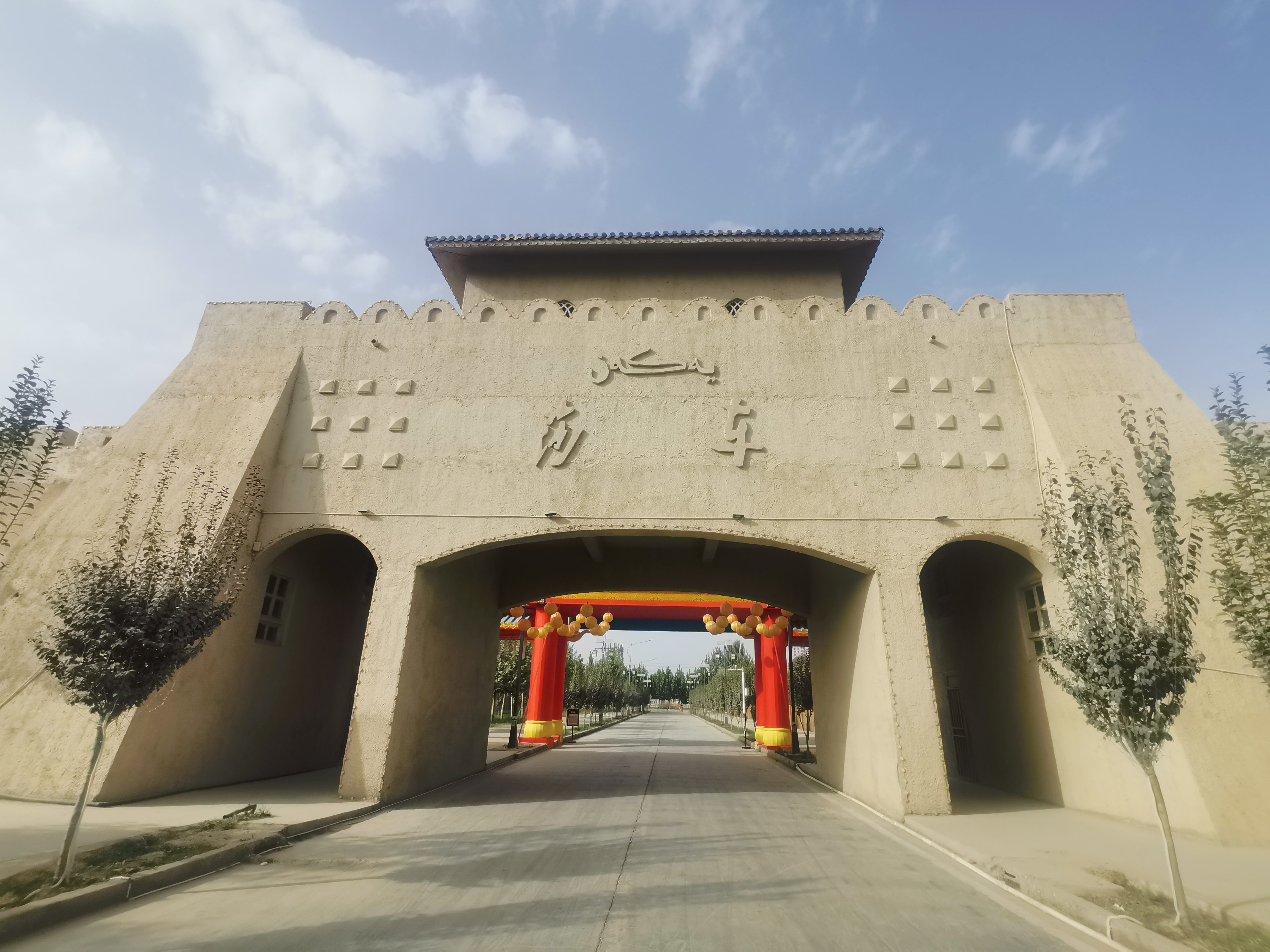
After the performance, we headed to Kazanqi Street (also called Kazanchi Street), one of the most charming parts of the Shache Old City Scenic Area. The street is full of life—traditional Uyghur buildings, craft shops, small eateries, and friendly vendors. It’s also home to an old teahouse where locals gather to chat, sip Uyghur tea, and sometimes enjoy more music.


We bought kaobaozi and tried some incredibly sweet honeydew along the way. We also tried their badam wood (almond) ice cream and walnut ice cream. Our plan was to rest briefly at the hotel and return later for the night market… but once we lay down, we fell asleep almost instantly. So the night market will be an adventure for another day.
Despite that, Shache left a strong impression on us—warm, lively, and far more interesting than we had anticipated. We enjoyed it enough to decide on the spot to stay an extra day to explore more of the city.





Leave a Reply