
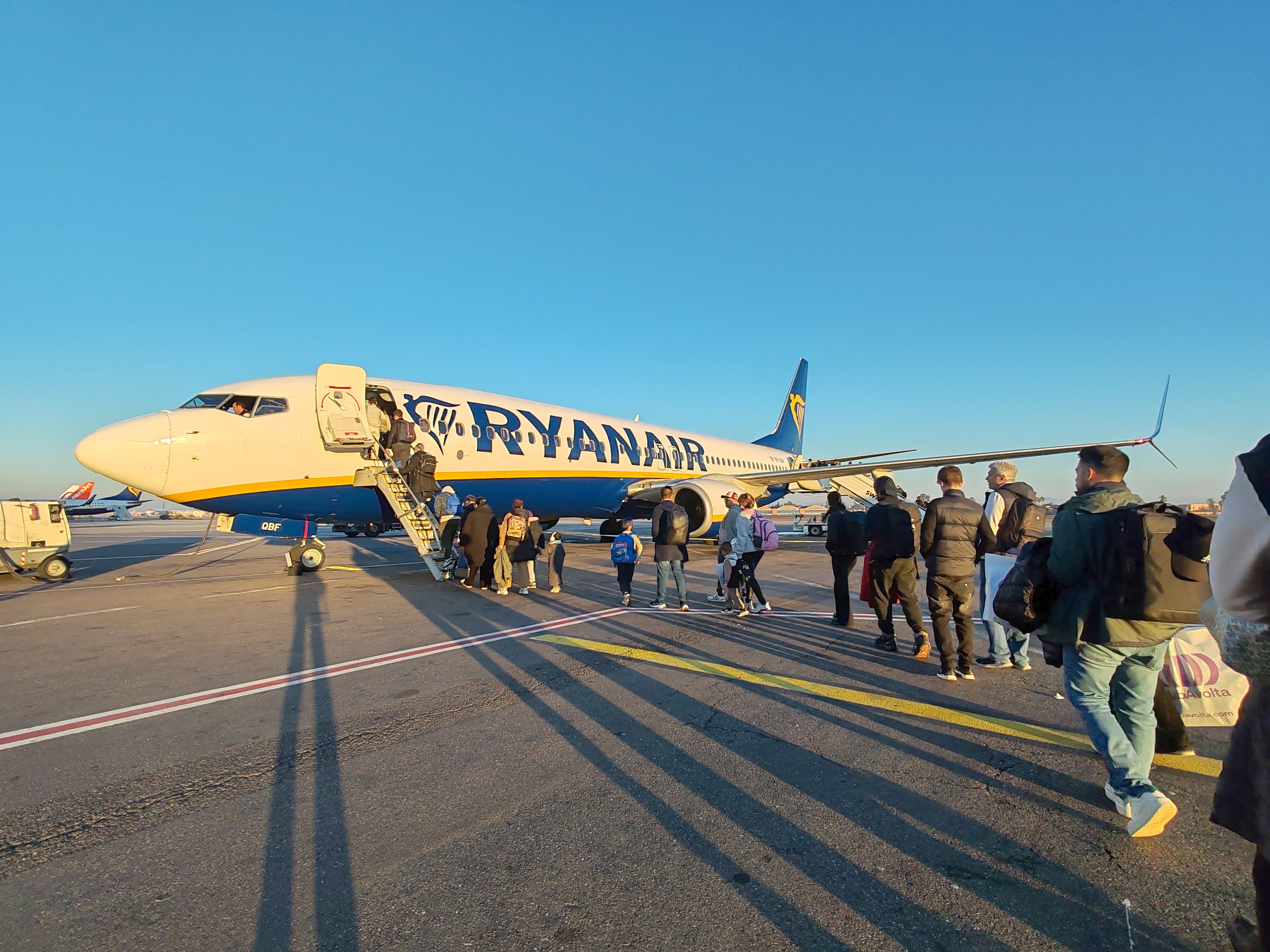
By Aime L. | Last Updated: March 13, 2026, 11:45 PM GMT+8 | Wanderaime
KUALA LUMPUR / GENEVA — Airlines worldwide are adjusting operations as tensions involving Iran, the United States, and Israel push oil and jet fuel prices upward. Carriers are responding by increasing airfares, adding fuel surcharges on selected routes, and rerouting flights to avoid parts of Middle Eastern airspace.
The changes are beginning to ripple across the aviation industry, with travelers in Southeast Asia and other regions likely to see higher ticket prices and longer flight times if the geopolitical instability continues.
Why Prices Are Rising
Since late February 2026, escalating tensions in the Middle East have raised concerns about disruptions to global energy supply, particularly around the Strait of Hormuz — one of the world’s most important oil shipping corridors.
Several factors are driving the increase in airline costs:
- Crude oil prices have climbed above $100 per barrel, pushing jet fuel prices higher.
- Jet fuel costs are surging, raising airlines’ operating expenses.
- Fuel accounts for roughly 20–25% of airline operating costs, meaning price increases are often passed on to passengers through higher fares or surcharges.
As airlines hedge fuel purchases months in advance, the full effect of rising oil prices may continue to unfold throughout the coming travel season.
Airlines Responding with Fare Hikes
Airlines around the world have begun adjusting fares or introducing new surcharges to offset rising fuel costs.
Among the changes reported:
- IndiGo (India) has introduced a new fuel surcharge on both domestic and international routes.
- Qantas, Scandinavian Airlines, and Air New Zealand have raised base fares to compensate for higher jet fuel expenses.
Across Asia, several carriers — including Batik Air Malaysia, Malaysia Airlines, Firefly, AirAsia X, Singapore Airlines, and Cathay Pacific — are reportedly adjusting fares or surcharges as operating costs increase.
Industry analysts say ticket prices could rise by up to 10–15% on certain routes if fuel prices remain elevated.
What Travelers Should Know
For travelers planning trips in the coming months, several trends may affect flight bookings:
Persistent Higher Fares
International and long-haul ticket prices may remain under pressure through Q2 2026.
Fuel Surcharges
Some airlines may add fuel surcharges separately during checkout rather than incorporating them into base fares.
Route Changes
Flights passing near Middle Eastern airspace may be rerouted, increasing flight times and operating costs.
Tip: Booking flights earlier can help lock in current fares before potential increases.
💡 Wanderaime Travel Tips: Saving on Flights Amid Rising Prices
Book Early, but Monitor Prices
Early bookings can help avoid sudden fuel surcharges, but continue monitoring fares for temporary drops.
Be Flexible with Hubs
Flying through alternate hubs or nearby airports may reduce ticket costs significantly.
Check the Total Price
Remember that the final price often includes base fare + taxes + fuel surcharges.
Use Fare Tracking Tools
Platforms like Google Flights, Skyscanner, and Hopper can notify travelers of price changes.
Leverage Loyalty Programs
Airline members sometimes receive exclusive promotions or flash sales that offset rising fares.
Pro Tip: Keep an eye on geopolitical developments — sudden changes in regional security can affect airline routes and ticket prices quickly.
Summary
The conflict involving Iran, the United States, and Israel is already affecting global aviation costs. As jet fuel prices rise, airlines are responding with fare increases, route adjustments, and fuel surcharges.
For travelers planning trips in 2026, booking early, comparing routes, and monitoring airline fees will be key strategies for managing rising travel costs.
For travel news tips, corrections, or inquiries, contact Aime L. at contact@wanderaime.com.









Leave a Reply