

4 May 2025 Sunday
To be honest, Tokushima wasn’t high on our sightseeing list. It was more of a practical stop—a place to rest before catching the ferry to Wakayama, where we would begin our Kumano Kodo pilgrimage. But sometimes, the places you least expect end up leaving the biggest impression.
Despite not having a checklist of major attractions, Tokushima stood out to us in its own quiet, memorable way—through dance, food, and a touch of the unexpected.
Awa Odori: Dancing with the Locals
Our visit coincided with a ride up to Mount Bizan, known for panoramic views of the city. We took the ropeway, and conveniently, the base station is also home to the Awa Odori Kaikan—a cultural center dedicated to the city’s most famous tradition, the Awa Odori dance.
What is Awa Odori?

Awa Odori is one of Japan’s most vibrant and well-known Bon Odori (Obon dance) festivals, held annually in August. Dancers in yukata (light cotton kimono) parade through the streets, performing lively steps to the sound of shamisen, taiko drums, and flutes. It’s a dance rooted in centuries-old Buddhist rituals, meant to welcome the spirits of ancestors—but it’s also evolved into a joyful, energetic community celebration.
Luckily, even outside of festival season, the Awa Odori Kaikan offers daily performances. We joined one, and it was surprisingly fun and interactive. The performers explained the instruments and dance steps, then invited the audience to join in on stage. I even managed to drag my dad up there for a round—we laughed a lot, and for a moment, felt like part of the tradition.


Unforgettable Food: Awa Delicacies
Food was another surprise highlight in Tokushima. While we didn’t come for the cuisine, it may have been the most satisfying on the whole trip.


Awa Chicken (and the Best Yakitori of the Trip)
Tokushima is known for Awa-brand meats—including Awa beef, Awa pork, and Awa chicken. We tried a local yakitori spot recommended by a friend, and it turned out to be the best grilled chicken we had in all of Japan. Smoky, juicy, perfectly seasoned—and whatever secret sauce they used, it was magic.
Tokushima Ramen & a Happy Udon Mistake
Of course, we had to try Tokushima Ramen at Ginza Ippuku, a rich, pork-based ramen with soy sauce seasoning that’s said to be influenced by Chinese-style flavors. It was good—bold and meaty—but perhaps a little too rich for our taste.
Funny enough, we actually walked into the wrong restaurant Yamashige at first, which turned out to serve udon instead of ramen. That mistake was a blessing. The cold udon with fried chicken was refreshing, chewy, and exactly what we needed after a warm day. Sometimes detours are the best part of the journey.
Naruto Whirlpools: Nature’s Spinning Show
One of Tokushima’s most famous attractions is the Naruto Whirlpools, found in the Naruto Strait where tidal currents between the Seto Inland Sea and the Pacific Ocean collide. These natural whirlpools can grow up to 20 meters in diameter at their peak.
We opted for a speedboat tour, which brought us close enough to see the swirling water below. It was an exciting ride, but the whirlpools weren’t particularly large that day—the tides really determine how visible they are, so it’s a bit of a gamble.
It took about 3 to 4 hours round trip, and while the view was relaxing, I think the experience might have been more memorable if the whirlpools had been more dramatic—or if we’d had more time to explore Naruto town itself.
💰 Tokushima & Naruto Budget
- Awa Odori Set Ticket (dance performance & museum): ¥2,800
- Naruto Whirlpool Sightseeing Boat: ¥1,600
- Transport: Tokushima ⇄ Naruto (return): ¥1,740
📊 Estimated Subtotal
¥6,140 (excluding food, souvenirs, and accommodation)
🍜 Food & Accommodation
- Food: around ¥2,000–3,500 per person depending on meals.
- Accommodation: Tokushima city stays are generally reasonable, with good options under ¥10,000.
Final Thoughts
Tokushima wasn’t packed with headline attractions, but that’s exactly why it was so refreshing. Between the unexpected joy of Awa Odori dancing, the best grilled chicken of the trip, and some accidental udon discovery, it reminded me how travel magic often happens off-script.
It was the perfect calm before the spiritual journey ahead on the Kumano Kodo.
👉 A complete 38-day Japan itinerary, including Nakasendo walking, Kumano Kodo hiking, Shimanami Kaido cycling, and a Kyushu road trip.
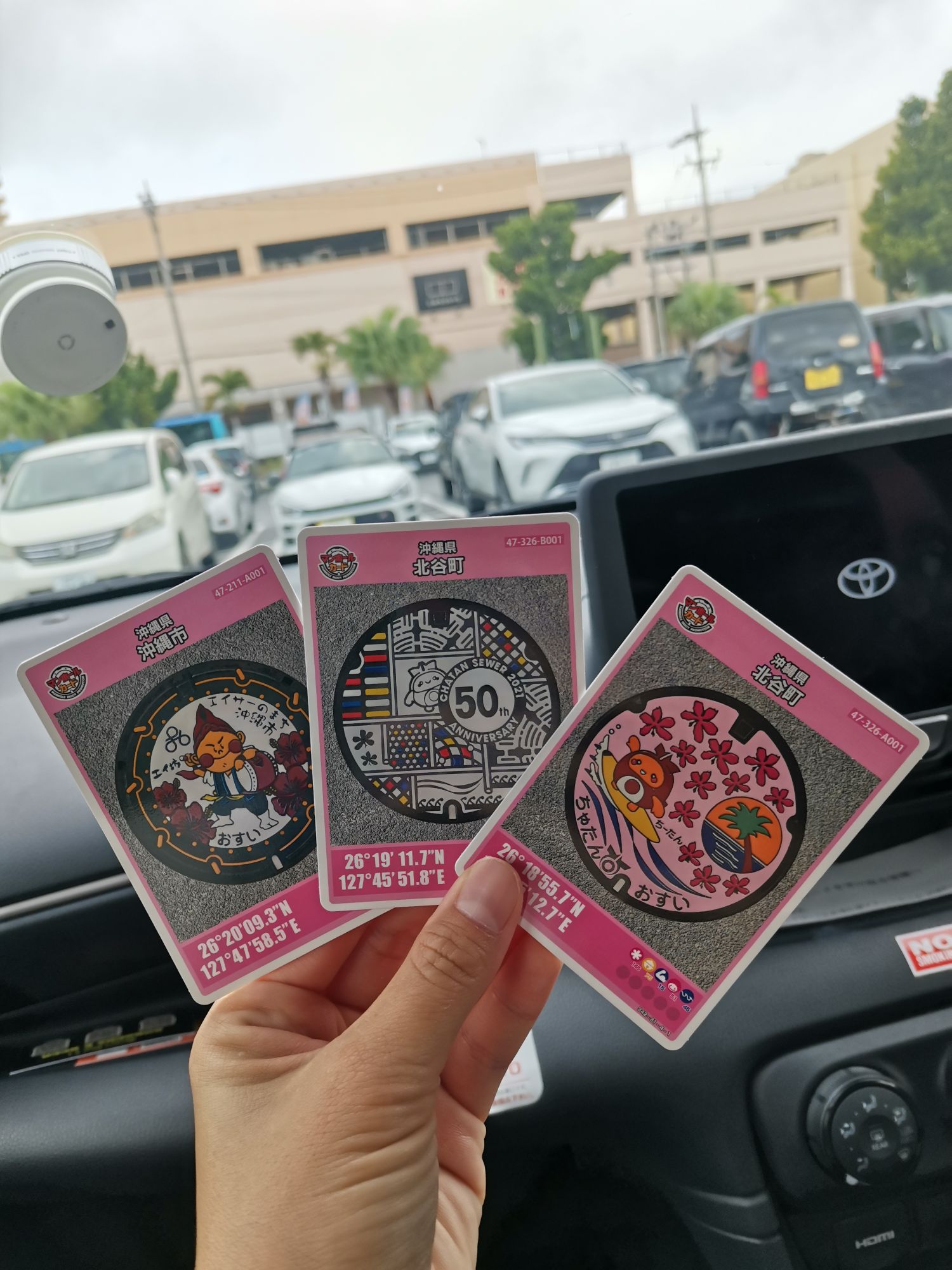
👉 Guide and tips for collecting Manhole Cards across Japan — click here to read more.
👉 Don’t miss Japan’s postcard-sending experience — read the full guide here.
👉 10 standout food experiences worth seeking out – Japan Foodie Map: My Top 10 Meals Across Japan



Leave a Reply