

5 & 6 May 2025 Monday & Tuesday
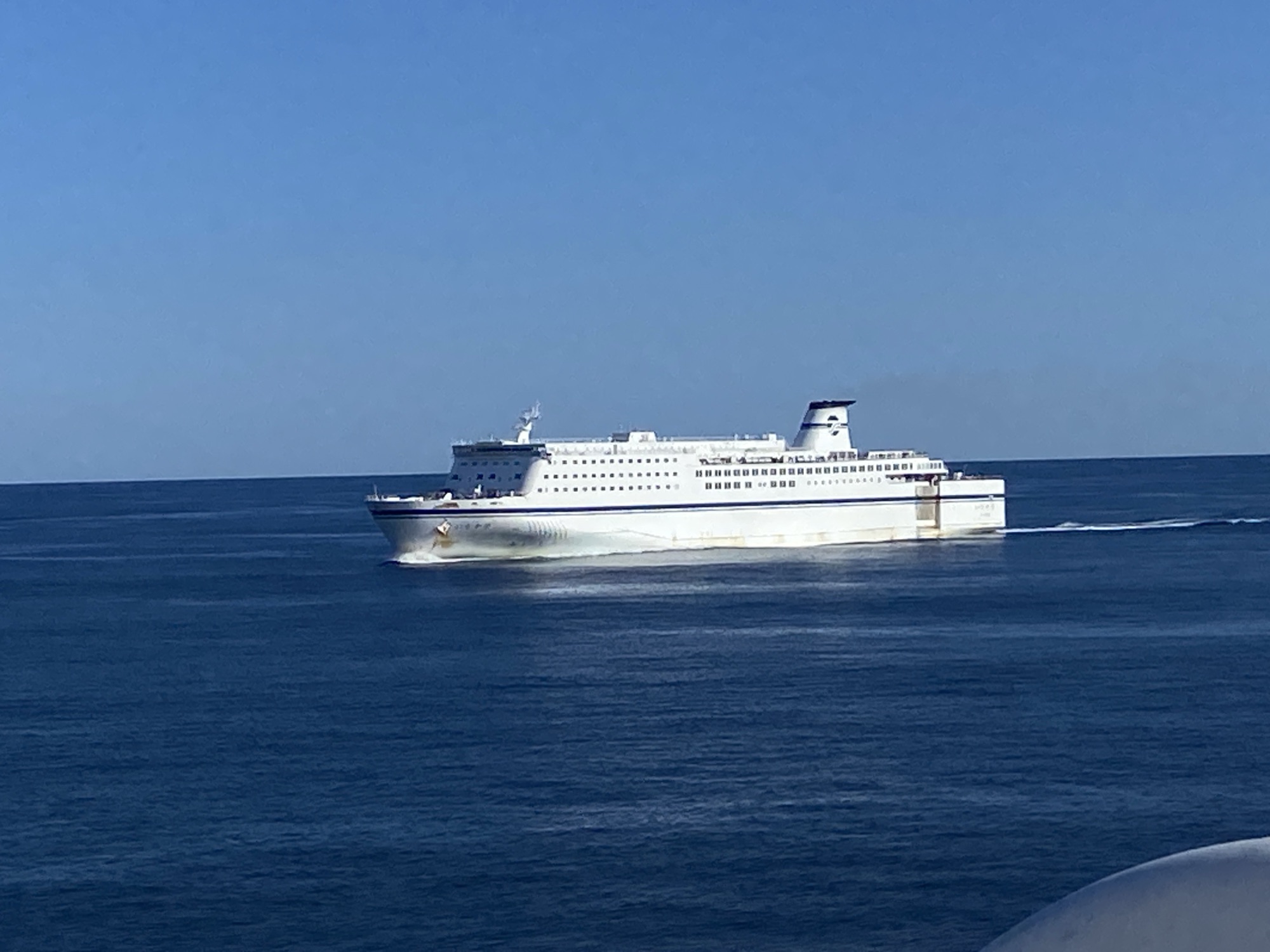
We began our day early, catching a 2-hour ferry from Tokushima across the calm sea to reach Wakayama Port. While this leg of the journey was simply meant to bring us closer to the start of our Kumano Kodo pilgrimage, we were pleasantly surprised by how much Wakayama City had to offer.

💡 Note: Don’t confuse Wakayama City with Wakayama Prefecture. The city is the capital of the prefecture, but the two are not interchangeable—especially when planning transport, accommodation, or sightseeing. Wakayama Prefecture is large, mountainous, and spread out, while the city is a compact, coastal hub.

🐟 Kuroshio Market: Tuna, Shells & BBQ
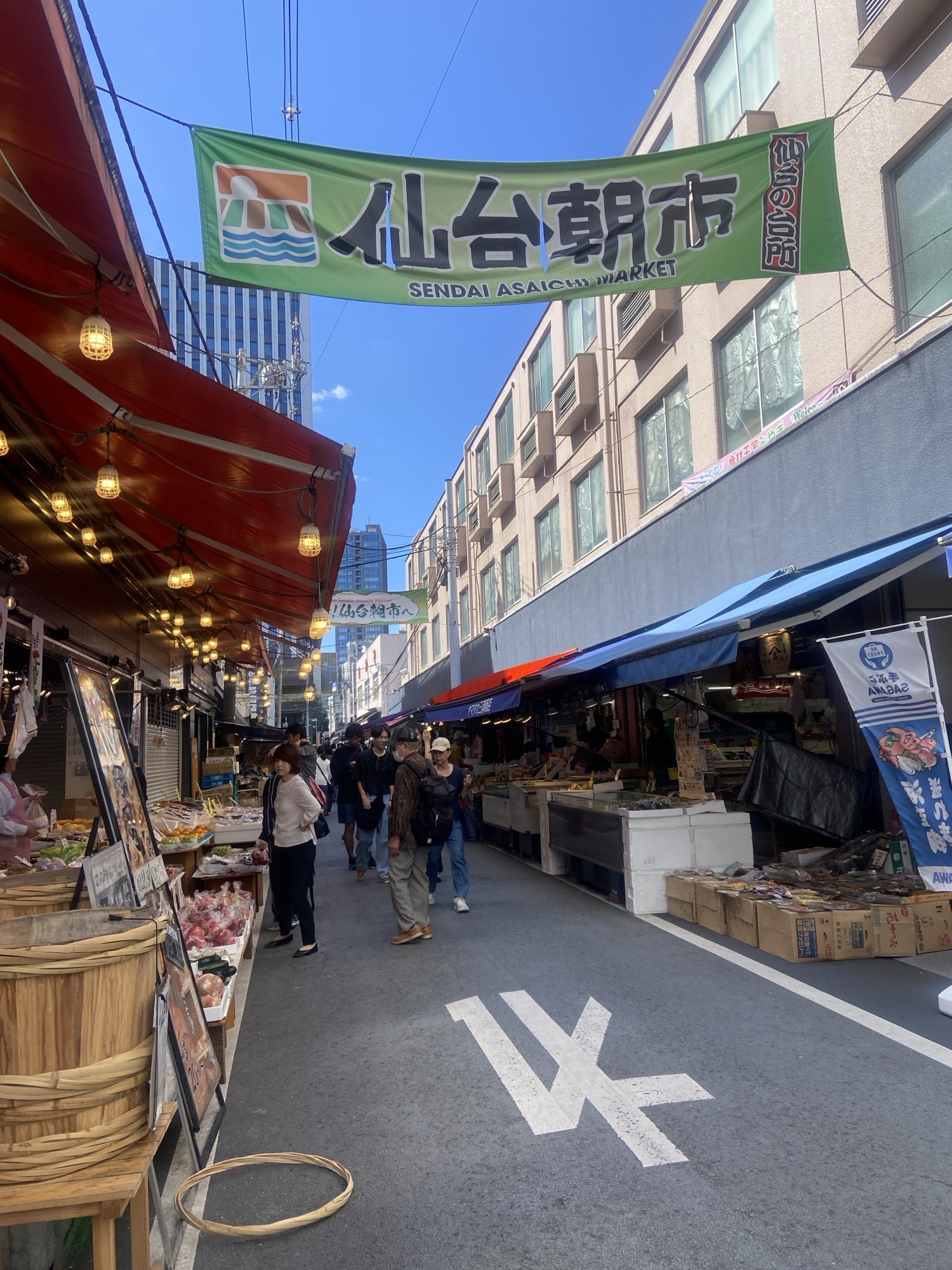
Since we couldn’t check into our hotel right away, we headed straight to the Kuroshio Market, a well-known seafood hotspot near Marina City. This lively market is famous for its live tuna-cutting shows, fresh catches, and open-air seafood BBQ stalls.
We caught a live tuna filleting demonstration, which was exciting to watch, though the market was smaller and less diverse than Karato Market in Shimonoseki. Still, the atmosphere was vibrant, and the BBQ line was long—but worth it.


😅 A Whelk Adventure
In a moment of culinary boldness, we bought whelk (sea snail) for grilling. What we didn’t realize was just how complicated it is to eat. Poking around with chopsticks, trying to extract the meat from the spiral shell, was more of a puzzle than a meal. While the flavor was similar to clam, we agreed it probably wasn’t worth the effort a second time.
That said, the seating area at Kuroshio was much more manageable than Karato. Despite the crowd, we eventually found a spot to sit and enjoy our meal—a small win when traveling during Golden Week.
🏯 Kimiidera Temple (紀三井寺): Steps and Serenity
Next, we headed back toward the city to visit Kimiidera Temple, one of the most revered sites in the region.
🧘♀️ A Brief History:
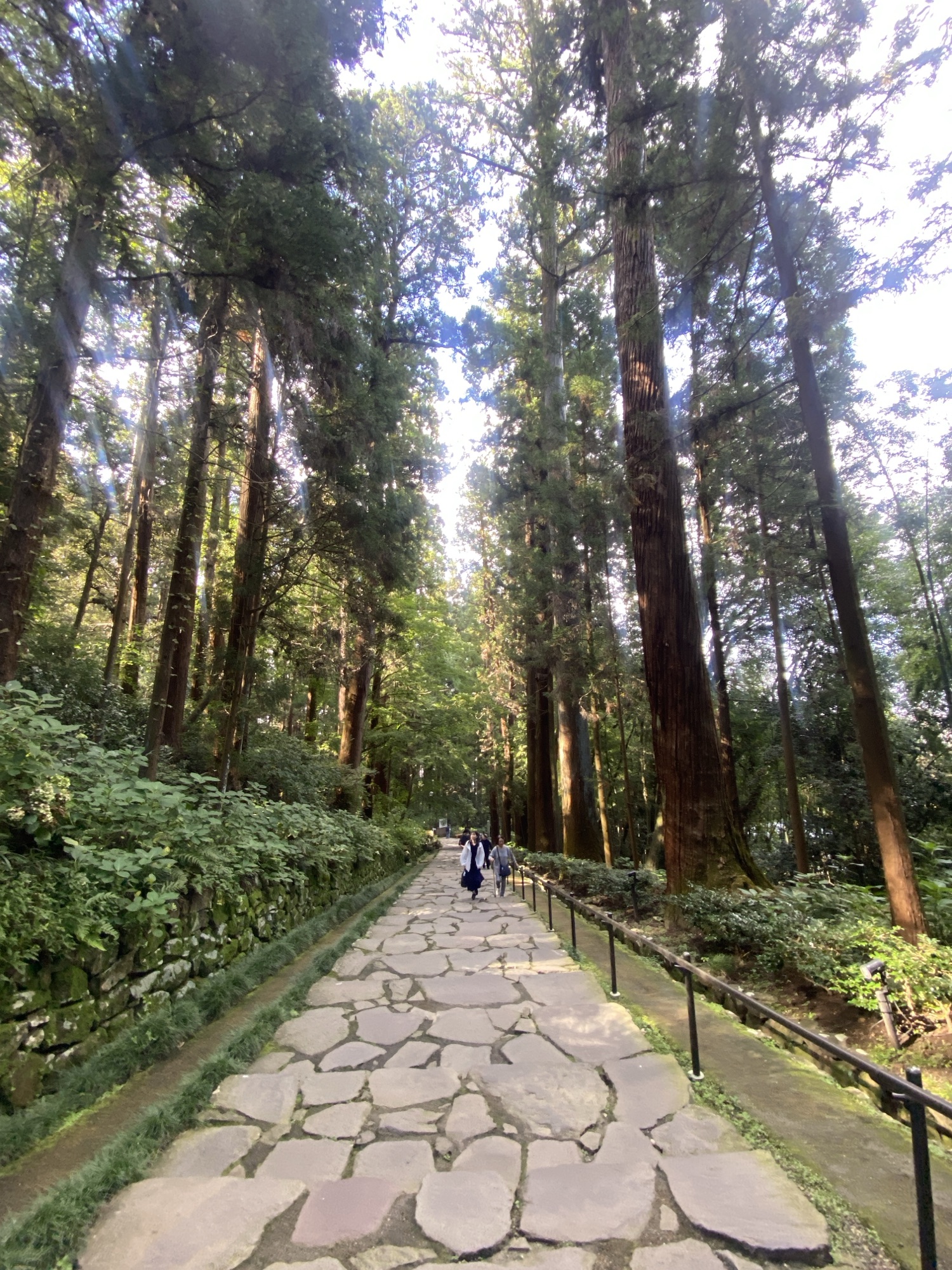
Kimiidera, founded in 770, is the second stop on the Saigoku Kannon Pilgrimage and is famous for its massive wooden Kannon statue, cherry blossoms, and hillside views. The name means “Temple of the Three Wells,” referring to three sacred springs within its grounds.


We mistakenly took a wrong turn after alighting at bus stop and ended up halfway up the mountain, only to realize we had to turn around and start again—a small misadventure made more tiring by the temple’s 231 steep stone steps.
But once we reached the top, the view over Wakayama Bay and the peaceful temple grounds made it completely worthwhile.
After our walk at Kimiidera Temple, we stumbled upon a charming little café tucked away in a quiet corner—so hidden that it felt like a secret spot only locals knew about. The ladies running the place were incredibly friendly, making us feel right at home. While the pastries were a bit on the dry side for my taste, the cozy atmosphere and warm tea offered a much-needed respite after a long and tiring day of walking.
Dix Huit: https://maps.app.goo.gl/P5dZsZqSVWHiqeC26


🏯 Wakayama Castle in the Rain
By the time we made it back to the castle area, it was getting late, so we decided to rest and visit Wakayama Castle the next morning. The next day was a rainy day, but thanks to the hotel’s borrowed umbrellas, we were still able to enjoy the castle grounds.
Though the wet weather dulled the views, the castle itself was impressive—perched atop a hill, surrounded by moats, bridges, and leafy paths. Luckily, the sun returned by midday, and we strolled through the gardens just as the clouds cleared.


🚴♀️ Cycling Event Chaos
Coincidentally, there was a city-wide cycling event that morning, with many roads blocked and bus routes temporarily changed. This made getting to the train station a bit tricky. We wandered around looking for the right stop until a kind local crossed the street to help us, even suggesting alternative ways to reach our train. It’s these unexpected kindnesses that stick with you.
💰 Tokushima → Wakayama Budget
- Ferry: Tokushima → Wakayama: ¥2,500
- Wakayama One-Day Bus Pass: ¥1,000
- Food: budget ¥2,000–3,500+ (especially at Kuroshio Market, where it’s hard to resist the tuna and seafood dishes!)
📊 Estimated Subtotal
¥3,500 (excluding food & accommodation)
~ ¥5,500–7,000+ including meals
✨ With the ferry ride, local bus pass, and a food stop at Kuroshio Market, Wakayama makes for a fun (and tasty) side trip.
✨ Final Thoughts on Wakayama City
Although often overshadowed by Osaka, Kyoto, and Tokyo, Wakayama City has a charm of its own—less touristy, more relaxed, and steeped in quiet beauty. The people were kind, the food fresh, and the atmosphere serene.
The city may be just the gateway, but it was a memorable prologue to our deeper journey into Wakayama Prefecture, as we set off to walk the sacred Kumano Kodo trail the next day.
👉 A complete 38-day Japan itinerary, including Nakasendo walking, Kumano Kodo hiking, Shimanami Kaido cycling, and a Kyushu road trip.
👉 Guide and tips for collecting Manhole Cards across Japan — click here to read more.
👉 Don’t miss Japan’s postcard-sending experience — read the full guide here.
👉 10 standout food experiences worth seeking out – Japan Foodie Map: My Top 10 Meals Across Japan

Leave a Reply