
17 Nov 2026
After spending half a day soaking up Ishigaki’s relaxed pace, we woke up the next morning full of anticipation to ride the ferry to Iriomote Island, one of the UNESCO World Natural Heritage Sites in Japan. Iriomote was inscribed on UNESCO’s list in 2021 as part of a serial natural heritage listing that also includes Amami‑Oshima, Tokunoshima, and northern Okinawa — recognized for extraordinary biodiversity and endemic species found nowhere else on Earth — including the critically endangered Iriomote cat and unique mangrove ecosystems that blanket much of the island’s interior.
☔ Rough Seas, Ferry Reschedules & Shuttle Transfers
This was our first taste of how unpredictable island logistics can be. Heavy rain and strong winds buffeted the Yaeyama sea early that morning, leading to multiple ferry cancellations.
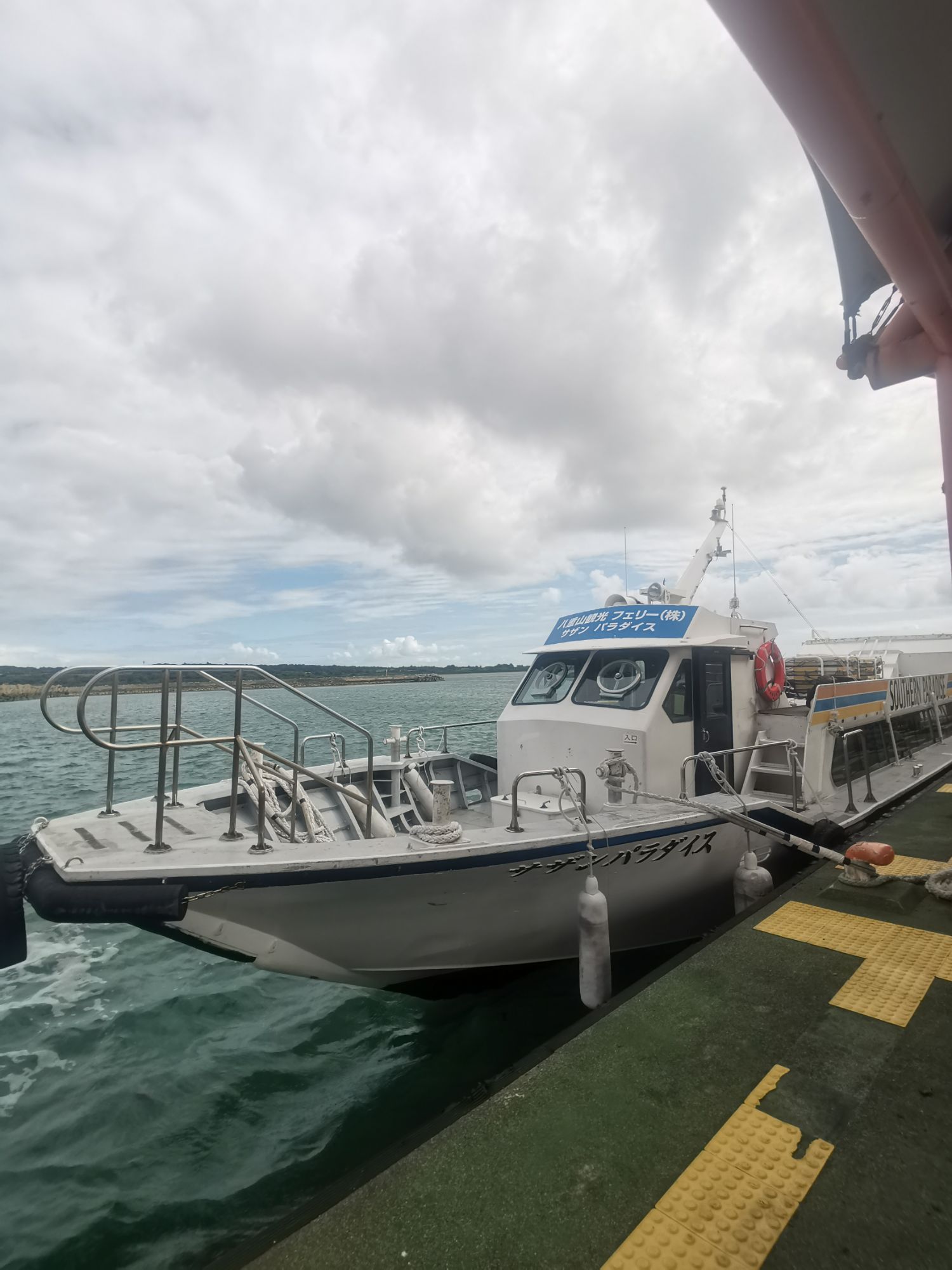
We had planned to take the ferry from Ishigaki Port (石垣港) directly to Uehara Port in northern Iriomote — the most convenient landing spot for our guesthouse — but with rough seas, that section was canceled. Instead, we were rerouted to Ohara Port in southern Iriomote and given a free shuttle bus ride up to Uehara. The island is small in area, but from south to north it’s about an hour’s drive through lush forested interior roads — an impromptu intro to Iriomote’s wild terrain.
There are two ferry companies serving this route, and their schedules sometimes differ slightly — and move around during bad weather:
- Yaeyama Kanko Ferry — multiple departures each day, standard rates (~¥1,960 one‑way), ~50 minutes across.
- An’ei Kanko Ferry — similar route, slightly different timetable (~¥2,000 one‑way).
Because ferry timetables are so weather‑dependent, I ended up checking both official sites repeatedly to find the best timing. They publish updates daily when weather interferes, and while online reservations are possible, I chose not to book ahead because cancellations sometimes mean you need flexibility to reschedule at the counter. The ticket counter is often the best place to check current operations and availability.
⚠️ Tip: Weather can unexpectedly cancel your ferry — even after you depart for the port. Travel insurance is absolutely worth considering on this route, especially in the stormier months.
While waiting, I noticed huge crowds heading to Taketomi Island — apparently there was a special annual harvest festival (豊年祭) taking place, something almost no one seemed to write much about online. It was a true “local insider” event — one of those festivals you only find out about when you’re already on the ground.

Ferry Boarding Tip – It Can Be Confusing
One thing worth mentioning about taking the ferry from Ishigaki Port is that the boarding process can be a little confusing, especially if it’s your first time.
Every day, multiple ferries depart from the port to different islands in the Yaeyama archipelago — such as Taketomi, Kohama, Kuroshima, and Iriomote — and sometimes ferries from different companies board from nearby gates at roughly the same time.
On the day we traveled, the weather disruptions meant some routes were canceled or rerouted, which made things slightly more confusing. At first, we weren’t entirely sure which queue we were supposed to join or which ferry we should board.
The best solution is simple:
confirm your ferry at the ticket counter, and then ask the staff at the boarding gate again.
They will usually tell you clearly:
- which ferry company you are boarding
- which boarding gate to go to
- when boarding will begin
There are also staff checking tickets near the boarding area, and if you’re unsure, don’t hesitate to ask them again. It’s very common for visitors to double-check.
This extra step can save you from a common mistake — some travelers accidentally queue for the wrong ferry and almost miss their departure.
In short, at Ishigaki Port:
ask the counter staff, and confirm again with the boarding crew.
🌴 Arrival, Accommodation & Our First Impressions
We finally made it to northern Iriomote and were dropped at Uehara Port — conveniently walking distance from our guesthouse. The first thing that struck me was how remote and almost untouched the landscape feels: no highways, no big buildings, just thick jungle backing up to small clusters of houses and lodgings.
Being so spread out and with almost no public transport or taxi services on the island (you really don’t see what you need until you’re here), I started hunting for car rentals — it’s widely recommended for exploring Iriomote fully.
🚗 The Great Rental Car Hunt & Go Car Adventure
I had read many times that cars on Iriomote sell out fast, so booking ahead is wise — there are fewer providers and limited inventory compared to bigger islands.
When we first tried, every rental car slot was gone. People had already taken most cars, and the few places that did have vehicles relied on phone or in‑person reservations rather than slick online booking systems.
But then — a tip from a local rental staff member led us to Hop On Car — a quirky little electric vehicle rental that was still available. And… well… it looked like nothing I’d driven before: basically a covered motorcycle with no doors, sort of a cross between a golf cart and a scooter. Controls weren’t intuitive for someone used to traditional cars, especially since neither of us ride motorcycles.

Slowly and giggling nervously, we made our way in the Hop On Car to our accommodation, splashed by wind‑driven rain along the way. Not ideal, but absolutely memorable.
Our guesthouse host was fantastic — after hearing about our car renting saga she called around and secured a proper rental car for us the next day, which was a relief: not only was it more comfortable, but also better suited for the unpredictable rain and winds we were dealing with.
☕ First Island Loop & Café Break
By the time we finally got out on the road in our Go Car, it was already mid‑afternoon. Most restaurants were closed for the day or had early closing hours — often a thing in smaller island communities where dine‑in culture revolves around nightly dinner reservations — so we drove around a bit, found a cozy café, and enjoyed a cup of coffee and dessert as the gentle rain tapped on the roof.
Iriomote is an outdoor lover’s dream: dense jungle covering up to 90% of the land, thick mangroves lining river mouths, and quiet ocean views — it’s no wonder most visitors come for nature activities like kayaking, waterfall hikes, and wildlife watching. But with how windy it was and our tiny Go Car, we kept things simple that afternoon.
🍽️ Dinner at Ichitaka
Dinner on Iriomote takes a bit of planning. Many spots require reservations, and taxis are virtually nonexistent — so shuttle services are a major plus.
We ate at Ichitaka, a popular local favorite near the port area known for friendly service, English menus, and a mix of Okinawan classics and creative dishes like fresh seafood, wild boar sashimi, peanut tofu, local squid sashimi, and even pizza.
What stood out most was how accommodating the staff were — offering hotel/shuttle pickup, flexible ordering, and menus that make trying local flavors approachable even if you’re not fluent in Japanese.
After eating way more than we expected (everything was delicious!), they dropped us back at Uehara Port. From there, we braved the final short drive back to our guesthouse in the Go Car — wet boots, windy air, and all — and called it a good, eventful island day.


Why Iriomote Island Is a UNESCO World Natural Heritage Site
Many travelers come to Iriomote Island specifically because of its extraordinary natural environment. Over 90% of the island is covered in subtropical rainforest, making it one of the last places in Japan where large areas of wilderness remain largely untouched.
Located in the southern Yaeyama Islands, the region sits along the warm Kuroshio Current, which creates a humid tropical climate ideal for biodiversity. Rivers flow from the island’s mountainous interior down to the sea, forming extensive mangrove forests along the coast.
These mangroves are not only beautiful but ecologically important — they serve as nurseries for fish, crabs, and other marine life, and they are also one of the most popular places for visitors to explore by kayak.
Because of this remarkable ecosystem, Iriomote Island was designated a UNESCO World Natural Heritage Site in 2021, together with Amami-Oshima, Tokunoshima, and the northern part of Okinawa Island.
The area is home to many endemic species found nowhere else in the world. The most famous of these is the Iriomote Cat, a rare wildcat species that exists only on this island. It is estimated that only around one hundred remain in the wild, which is why you’ll often see road signs asking drivers to slow down to protect them.
For this reason, most people don’t visit Iriomote for city sightseeing. Instead, the island attracts travelers seeking outdoor adventures such as:
- mangrove kayaking
- jungle trekking
- waterfall hikes
- wildlife observation tours
In many ways, visiting Iriomote feels like stepping into Japan’s own tropical jungle island.
📍 Island Practical Tips
- Ferries: Always check weather updates and official ferry websites before heading to the port.
- Transport: There are virtually no taxis on Iriomote — most guesthouses, restaurants, and activity providers offer shuttle services.
- Car Rentals: Book early or call local providers directly. Go Car is fun but best for calm weather.
- Dinner: Reserve in advance — popular spots like Ichitaka fill up quickly, especially in shoulder seasons.
- Nature: Iriomote’s UNESCO status means conservation is taken seriously — stick to designated trails and respect wildlife zones.
Iriomote remains one of Japan’s most raw and rewarding island experiences — a place where unpredictable weather becomes part of the adventure, and every tiny detour feels like a discovery.
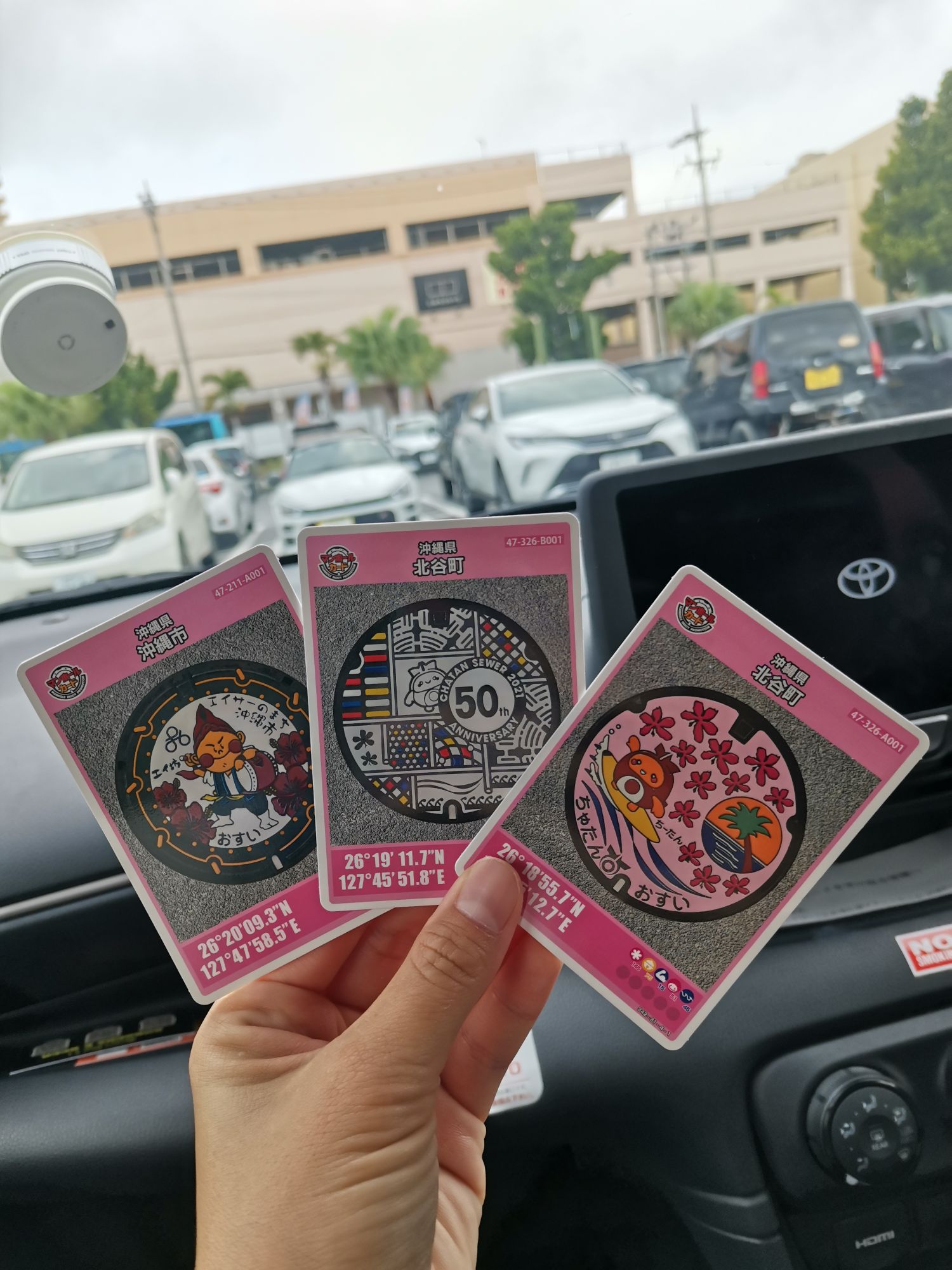
👉 Guide and tips for collecting Manhole Cards across Japan — click here to read more.
👉 Don’t miss Japan’s postcard-sending experience — read the full guide here.
👉 10 standout food experiences worth seeking out – Japan Foodie Map: My Top 10 Meals Across Japan




Leave a Reply