

11 May 2025
👉 Want to see the complete 5-day Kumano Kodo hiking itinerary? Click here to read.
We based ourselves in Kii-Katsuura for two nights. Looking back, one night probably would’ve done the trick. The town is pleasant enough, but compared to the other stops on our Kumano Kodo journey, it felt a little too quiet — almost like it was taking a nap after Golden Week.
Still, Katsuura had one big thing going for it: it was the perfect base for visiting the last of the Three Grand Shrines of Kumano — Nachi Taisha.
⛩️ Nachi Taisha & Seiganto-ji
From Katsuura, we hopped a bus into the mountains. Soon we were climbing stone steps shaded by towering cedars, until the buildings of Kumano Nachi Taisha appeared. This shrine has been a place of worship for more than 1,400 years, dedicated to the nature deities of Nachi Falls. Next to it stands Seiganto-ji, a Buddhist temple built in harmony with the shrine — a rare sight that shows just how closely Shinto and Buddhism were once intertwined in Japan.


And then, the postcard view: the three-storied vermilion pagoda with Nachi Falls thundering behind it. At 133 meters, Nachi no Taki is Japan’s tallest single-drop waterfall, and it’s been revered as sacred since ancient times. Standing there, watching the mist rise, it wasn’t hard to see why this place became the final jewel of the Kumano Sanzan. Out of the three, I think this shrine won my heart the most.
Among the highlights was a massive hollow cedar tree standing near the site — I climbed inside, and it felt surreal to be enclosed by living wood that had witnessed centuries of pilgrims.
We even made some new friends along the way — a Taiwanese couple we helped take photos of, swapping phones and laughter to make sure everyone got their perfect shot.
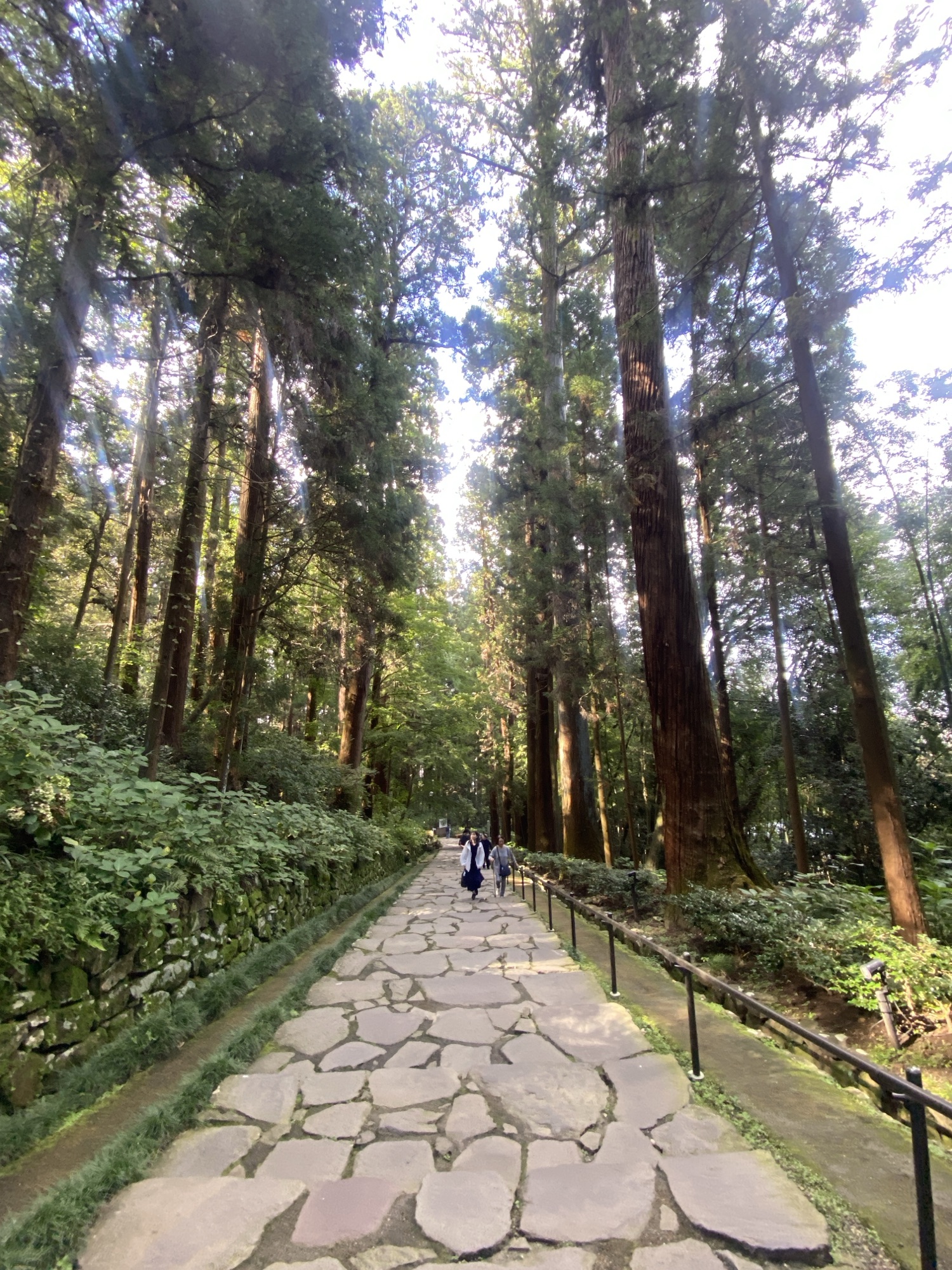
After visiting the shrine and taking in the stunning views, we made our way down the Daimon-zaka slope. This stone-paved path winds through a majestic cedar forest, the trees rising tall and ancient, their presence adding weight to the journey. Descending here felt like retracing steps from another era, each cedar a silent witness to countless pilgrimages.
At the base awaited one of Japan’s natural icons: Nachi Falls (133 meters), the tallest single-drop waterfall in the country. The classic view — the scarlet Seiganto-ji pagoda with the waterfall tumbling behind it — was as breathtaking in person as in every photo. The crowds were lively, yet there was still a sense of peace in hearing the roar of the water.

👋 Familiar Faces on the Pilgrimage
And then — surprise! — we bumped into the two American ladies we’d met earlier on the trail. The odds of crossing paths again felt slim, but there they were, smiles wide, trading stories of sore feet and ferry schedules. We exchanged contacts and wished them safe travels. One of those small, serendipitous moments that make the world feel comfortably small.

📝 Pilgrim Stamps & the Almost-Certificate
Of course, we collected our goshuin stamps at Nachi Taisha. Technically, that meant we’d completed the circuit and could claim our Kumano Kodo completion certificate. The catch? It could only be issued back at the Hongu Taisha center, a good 1–2 hours away by bus. In the end, we decided to leave it for another time. Maybe it’s nice to have unfinished business — an excuse to come back.
🍣 Tuna, Tuna, Tuna
Back in Kii-Katsuura, the afternoon was all about food. This town is famous for its tuna — not just the kind you see on a sushi plate, but the whole fishing culture. Katsuura is actually one of the largest tuna landing ports in Japan. Every morning at the market, massive frozen tuna are auctioned off, an event second only to Tokyo’s Toyosu.
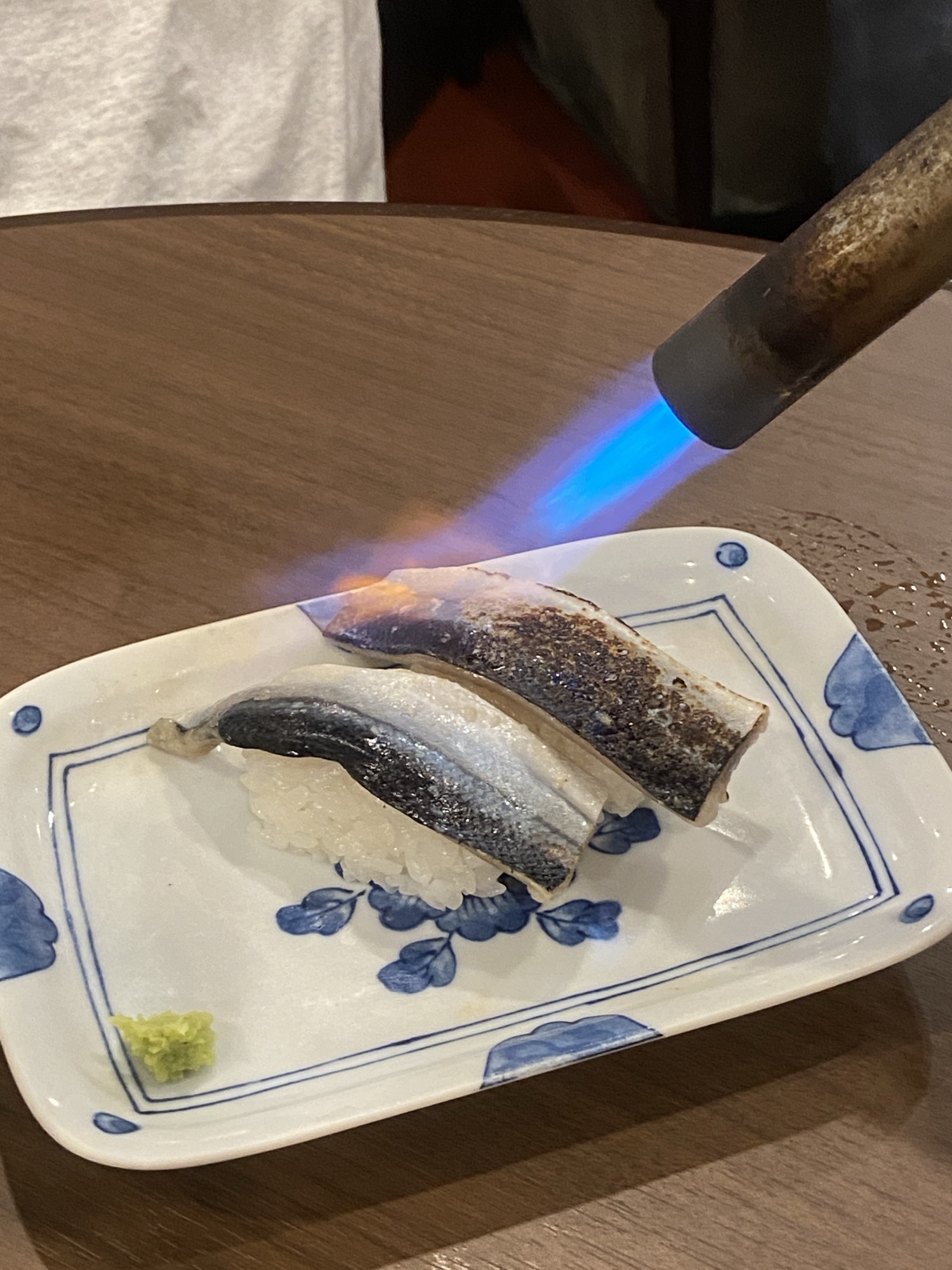
We didn’t make it to the market (you have to get up at a painful hour), but we definitely tasted the results. Lunch was sushi: fresh, fatty cuts of tuna so soft they practically dissolved on the tongue. Easily one of the best meals of the trip, and surprisingly kind to the wallet too.

💤 Quiet Nights
Here’s the thing about Kii-Katsuura: it pretty much rolls up the sidewalks after dark. We found ourselves wandering through silent streets, shops shuttered, just a handful of tourists drifting around. It felt less like a buzzing seaside town and more like a place in hibernation.


Finding dinner wasn’t easy either — most restaurants were already full or closed. Our hotel, Blue Harbor, came to the rescue. The lady at reception spent nearly half an hour calling around on our behalf until she found us a spot. Thanks to her kindness, we ended the day with a simple but comforting feast of beef and tuna.
The hotel itself was a gem, too — they even carried our luggage into the room before check-in. A small gesture, but it stuck with me.
✨ Reflections
Nachi Taisha and Nachi Falls left a deep impression—easily one of the most spiritual and awe-inspiring places on the Kumano Kodo. But staying two nights in Kii-Katsuura felt like too much. It’s a sleepy fishing town with a world-class shrine nearby, but once you’ve seen the falls and eaten your tuna, there’s not much else to fill the hours.
Still, the silence, the kindness of the hotel staff, and the roar of Nachi Falls will stay with me long after.
🏝️ What We Missed
We’d planned to try the town’s famous on-an-island onsen resort (the one where you take a boat out), but it was closed during our stay. A pity, but maybe another reason one night here would’ve been enough.
Still, Kii-Katsuura had its own rhythm. Not lively, not flashy — but sincere. A quiet little corner of the Kumano Kodo, flavored with the salt of the sea and the richness of tuna.
✨ That’s Day 5.
💴 Kumano Kodo Day 5 Budget
- 🏨 Hotel – ~¥4,200 per person
- 🚌 Bus: Shingu → Kii-Katsuura – ¥580
- 🧺 Laundry – ¥1,100
- 🚌 Bus: Kii-Katsuura ↔ Nachi-Katsuura (round trip) – ¥1,660
- 🍣 Food – ~¥3,000–4,500 (depending on preference, we splurged today 😅)
Estimated Total (per person): ~¥10,540–12,040
👉 A complete 38-day Japan itinerary, including Nakasendo walking, Kumano Kodo hiking, Shimanami Kaido cycling, and a Kyushu road trip.
👉 Guide and tips for collecting Manhole Cards across Japan — click here to read more.
👉 Don’t miss Japan’s postcard-sending experience — read the full guide here.
👉 10 standout food experiences worth seeking out – Japan Foodie Map: My Top 10 Meals Across Japan

Leave a Reply