
4 Nov 2025 | Okinawa Road Trip Day 2
Note: The budget and ticket prices mentioned are for 2 people.
After a quiet breakfast at Rakuen (¥1,500), we picked up our rental car at 9 a.m. and returned to our hotel to check out (parking ¥200). The streets of Naha were unusually quiet that morning—maybe we were a little late to the breakfast rush or everyone else had already started their day. Either way, it was peaceful, a nice contrast to the bustling first night along Kokusai Dori.
Today’s plan was a mix of culture, scenic driving, and a quirky obsession of mine: collecting Okinawa manhole cards. Even though I researched ahead of time, each night I refine the next day’s route, marking stops and drafting a map the night before: Google Maps Route.


🗺️ Manhole Card Hunt & Cultural Stops
Ginowan City Waterworks & Sewerage Bureau
Our first stop was Ginowan. Manhole cards here often feature local designs reflecting city identity. The staff were friendly and guided us to the right building—these offices can feel intimidating if you walk in without context, but a simple explanation goes a long way.

Nakagusuku Castle (中城城跡)
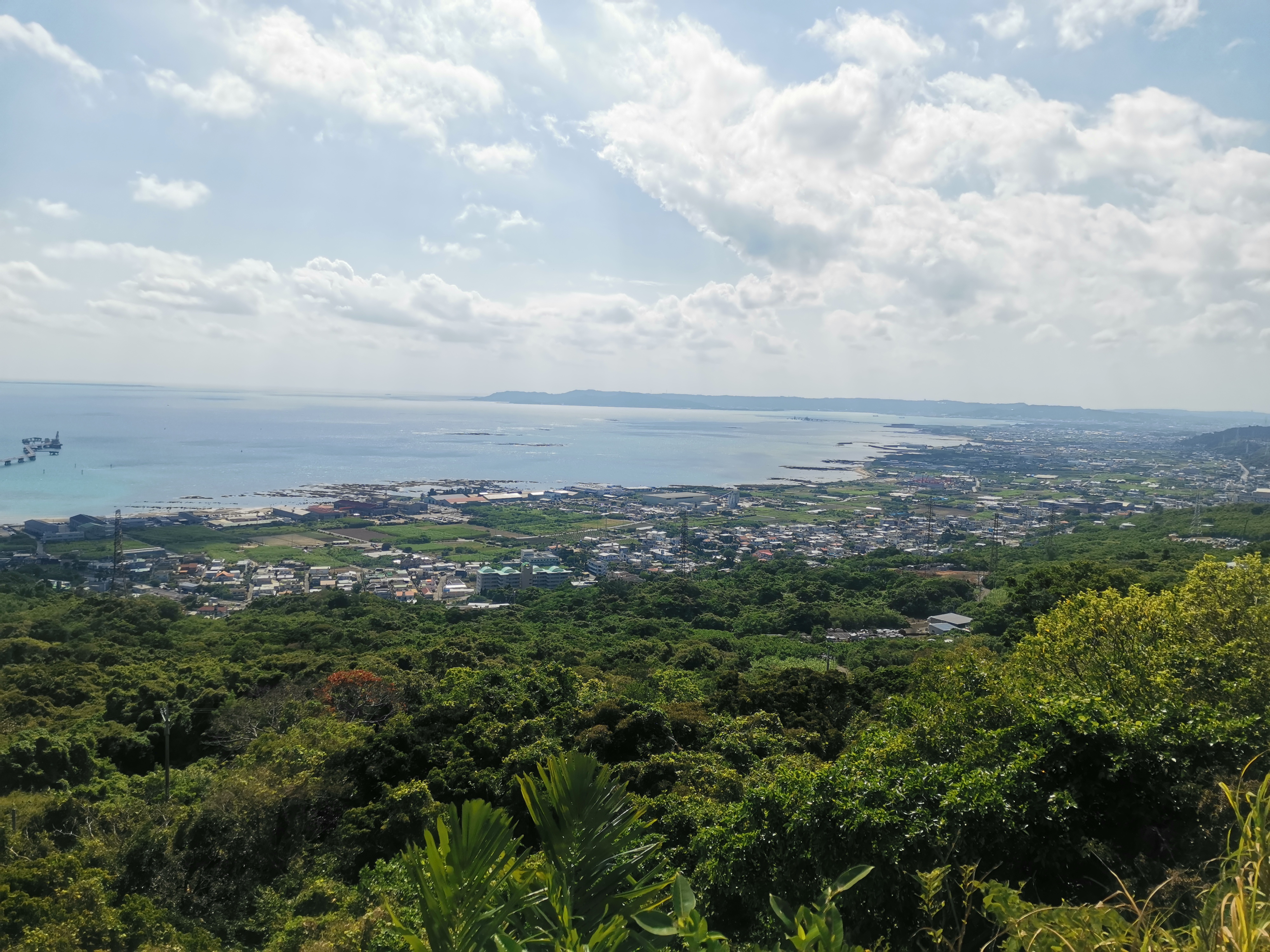
Next, we visited this UNESCO World Heritage Site. Tickets cost ¥1,000, and there’s a free shuttle up to the castle ruins, which was perfect because the climb can be steep. Walking around, I felt the history of the Ryukyu Kingdom come alive—these castles were built on high ground to fend off attacks, giving a commanding view of the surrounding plains and ocean. It was serene and peaceful, a sharp contrast to the busy streets we left behind.


🍴 Lunch at Ginoza Roadside Station (道の駅「ぎのざ」)
We stopped for lunch at a typical Japanese Michi-no-Eki (roadside station). These are often clean, well-organized, and full of local products, from handicrafts to food.
- Lunch: ¥2,050
- Alcohol & ice cream: ¥2,600
Roadside stations are a great way to experience Okinawa’s local produce and culture. It’s also a chance to sample small bites you might not find elsewhere.


🗺️ More Manhole Cards in Nago
Driving along the northern coast, we collected:
- Nago Municipal Market
- Nago City Tourism Association
- Nago City Waterworks Office
Some are in government offices, which can feel intimidating for a tourist—but staff are usually welcoming if you explain your “manhole card” quest.


☕ Sugar Cane Coffee at Shinmay Coffee
Okinawa is famous for sugar cane, historically an important crop for the island economy and a base ingredient for sweets, spirits, and local snacks. At Shinmay Coffee (¥1,650), I tried their sugar cane coffee. I usually prefer non-sweet coffee, but the slight natural sweetness from the sugar cane slices was surprisingly pleasant. A small taste of Okinawa’s agricultural heritage in a cup!

🏰 Nakijin Castle Ruins
Ticket: ¥2,000
Nakijin Castle is another Ryukyu-era fortress, strategically placed on a hill overlooking Motobu Peninsula. While not as bustling as Naha, it offers a sense of history and panoramic views, perfect for sunset photography and soaking in Okinawa’s ancient defensive architecture.

🌊 Sesoko Beach (Parking ¥500)
After the castle, we drove to Sesoko Beach. The Motobu side of Okinawa is quieter, less crowded, and ideal for an evening stroll. If the weather is nice, it’s a great optional stop for a sunset view at Kouri Island nearby.

🍣 Dinner at Kai
Dinner: ¥5,600
We were lucky to get seats without a reservation at Kai, as it was quite packed. Fresh local seafood and Okinawa-style dishes made for a satisfying end to a full day.


🚘 Transport & Car Rental
- Rental car for 10 days: ¥51,550 (paid on spot)
- Departure: 4 Nov 2025, 10:00
- Return: 13 Nov 2025, 12:00
Driving in Okinawa gives freedom to reach remote beaches, castles, and roadside stations that public transport can’t easily access. Parking is generally easy, and small fees (~¥200–¥500) are common.
💡 Travel Tips for This Day
- Nakagusuku & Nakijin castles: bring good walking shoes, sun protection, and a camera.
- Roadside stations: cash is preferred for small items.
- Manhole card offices: explain your hobby—staff are usually happy to help.
- Sugar cane coffee & local sweets: perfect for sampling Okinawa’s agricultural heritage.




Leave a Reply