
19 September 2026 — Sapporo
Our second day in Sapporo started around 9am, when we walked out towards the Tanukikoji and Susukino area. It was a little too early for the shops, though, and most of them were still closed. We had originally planned to visit a bookshop, but since there was not much happening yet, we changed our plan and walked towards Nijo Market instead.


Nijo Market is one of Sapporo’s older food markets, with its origins going back to the early development of the city during the Meiji period. Seafood has always been an important part of its identity, supplied from the surrounding waters and sold through the market and its restaurants.
There was certainly plenty of seafood around when we arrived, but after the seafood experience we had already had in Hakodate, it did not have quite the same effect on us. In Hakodate, the fresh seafood seemed to be everywhere, displayed openly in front of you. Nijo Market felt more like a collection of seafood shops and eateries, with queues already forming at some of the more popular places.
Since we had eaten quite a lot of raw seafood over the previous few days, we decided to skip it this time and continued towards Odori Park.
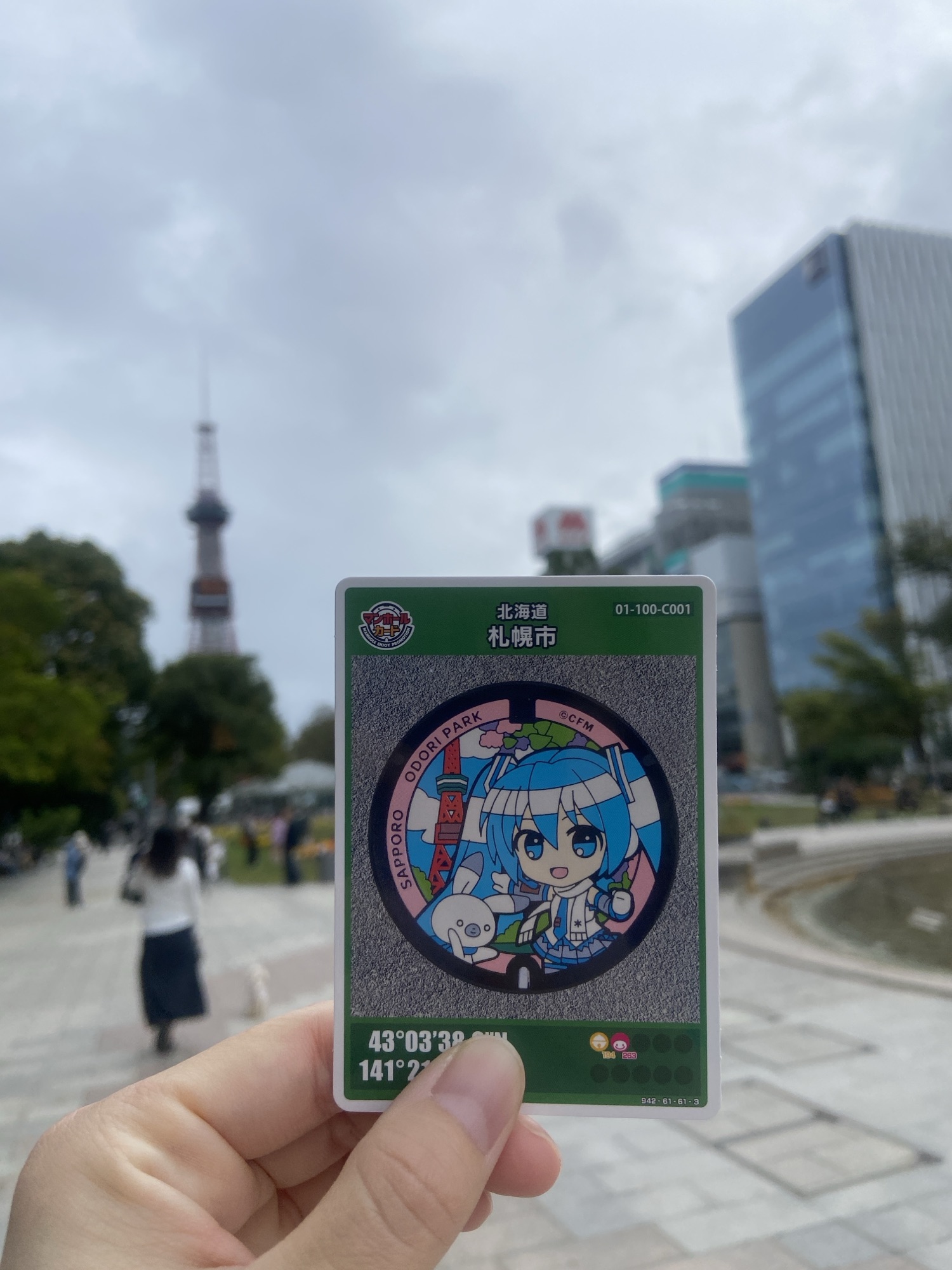
We had another small mission there: our first Sapporo manhole card.
Japan’s manhole cards are one of those things that we have gradually become interested in during our travels. The cards feature different manhole-cover designs from around Japan, and Sapporo has several of its own. It gives us another reason to visit places that we might otherwise simply walk past.

At Odori Park, we also discovered that the food stalls for the Sapporo Autumn Fest were already opening. We had thought they would only start around 11am, but they were actually getting going from about 10am.
It was quite lucky that we arrived when we did because the place was already filling up while we were queuing.
So instead of simply walking through Odori Park, we ended up having an early lunch there.


We tried wagyu onigiri sushi, chicken and duck yakitori, wagyu beef yakitori, ramen with beef, and a potato with butter and grilled corn set. Everything was pretty good, although it was definitely not cheap. We spent more than ¥4,000 for the whole thing.
The potato with butter and corn were particularly fitting for Hokkaido. The region is not only famous for seafood and dairy products but is also one of Japan’s major agricultural areas, producing large quantities of potatoes, corn and other crops. Hokkaido’s food identity is therefore much broader than the seafood that tends to dominate the image of Sapporo.
After lunch, we continued walking towards Sapporo Station. We were heading in that direction anyway, and there was another manhole card we wanted to collect at Sapporo Environmental Plaza.
On the way, we stopped at Kinokuniya because we needed to find a pen for someone. Then we found a Rokkatei shop nearby and stopped for a parfait and a drink.


Rokkatei is one of those Hokkaido names that keeps appearing when you travel around the region, particularly when it comes to sweets and confectionery. After walking around all morning, sitting down for a parfait and a drink was a welcome break before continuing.
Eventually, we made our way to the Environmental Plaza and collected the second manhole card.
By then, we had already walked quite a distance from the centre of Sapporo. Since we were already in the area, we decided to continue towards the Sapporo Beer Museum rather than immediately turn around.
The beer museum is connected to an interesting part of Sapporo’s history. Beer production was introduced to Hokkaido during the Meiji period as part of the government’s wider effort to develop the island’s agriculture and industries. The Kaitakushi Brewery was established in Sapporo in 1876, eventually becoming the foundation of what is now Sapporo Beer.
So we were heading towards one piece of Sapporo’s industrial history when I happened to notice something else that caught my attention: a popular conveyor belt sushi restaurant called Toriton.
The reviews mentioned waiting times of up to three hours.
Normally, that would have been enough to make us walk away.
But since we were already planning to explore the area, I thought we could just take a number and see how it went. The restaurant had a QR-code system that allowed us to check the queue and follow the progress on our phones, so we did not actually have to stand there the whole time.


We took our number and went off to explore.
We went into Second Street, Sports Depot and continued around the area, eventually making our way towards the beer museum.

Then, while we were still exploring, our number was called.
So we turned around and went back to the restaurant.
Except that being called did not actually mean we were getting a table yet.
It turned out we had only been called into the waiting area.
So we waited again.
In total, it took more than two hours before we finally got our seats. And this became our first conveyor belt sushi experience in Japan.


It was quite nice, yes.
But I am not sure if it was that nice, lol.
Still, it was a fun experience, and at least the queue system meant that the waiting time did not completely disappear from our day. We had managed to walk around the neighbourhood, visit some shops and explore the area while waiting.
After that, we took the subway back to our hotel and reached around 5pm.
Our dinner reservation was at 8pm, so there was no point rushing anywhere. We rested for a while before heading out again.


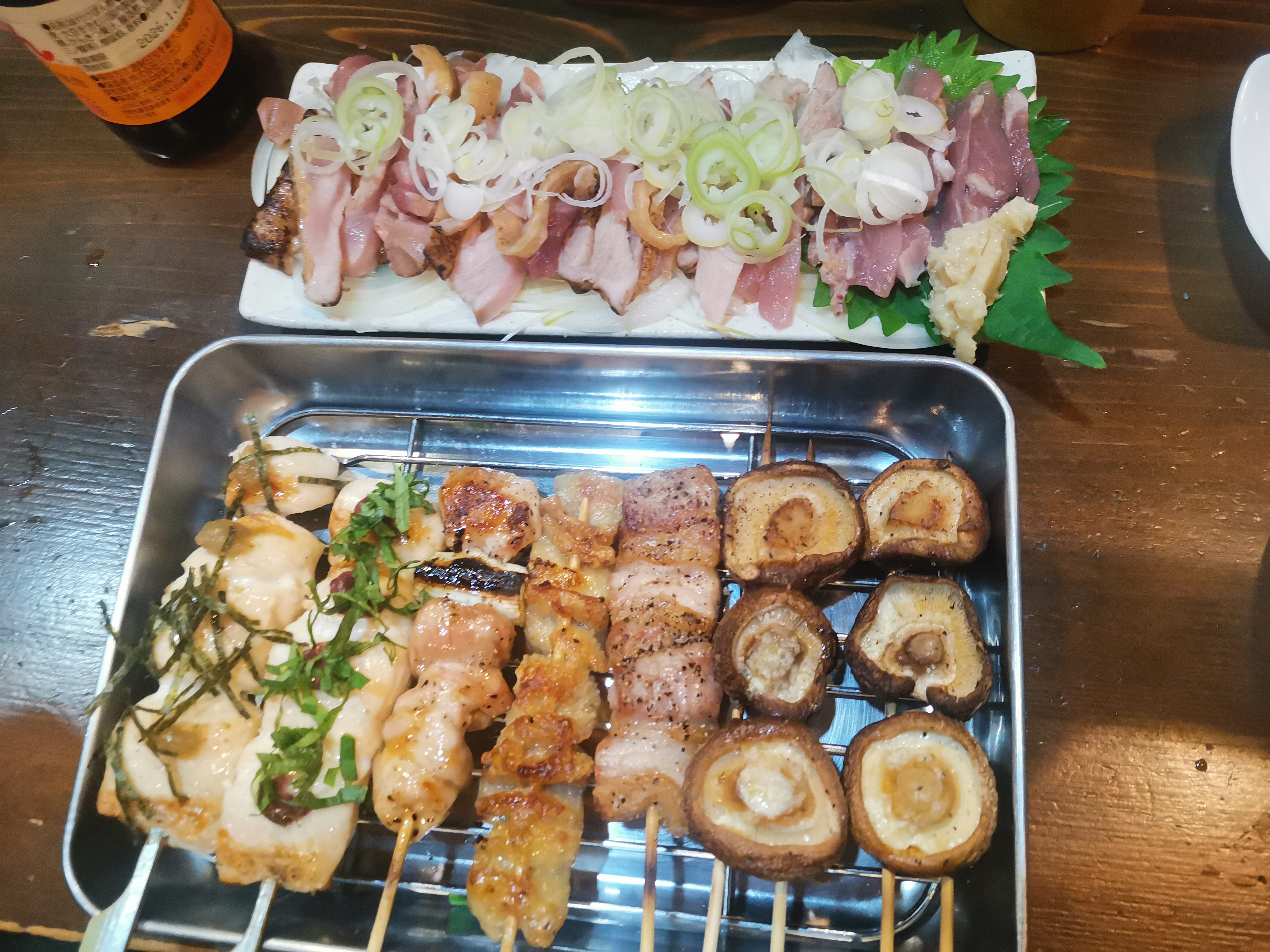
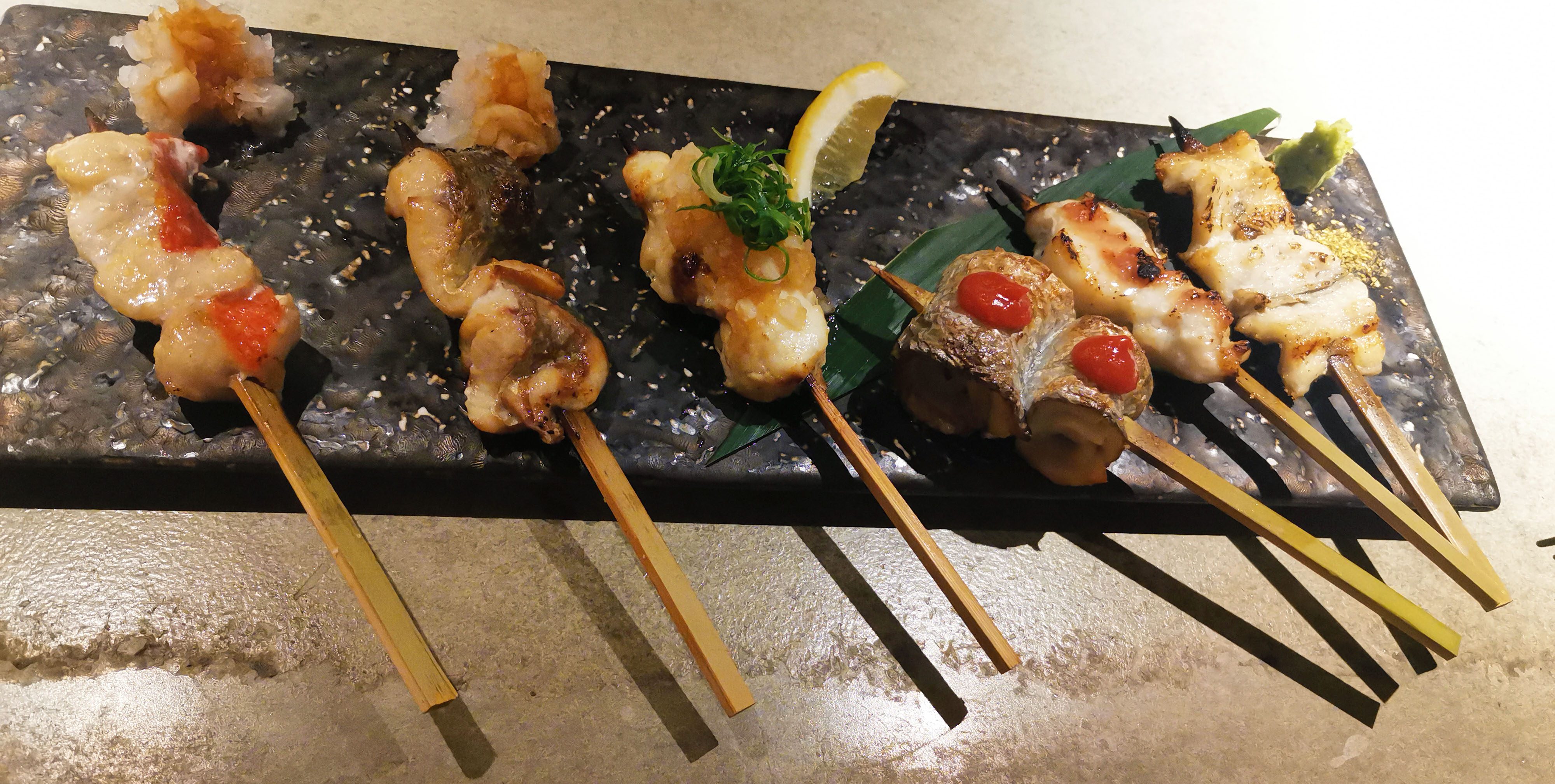
Dinner was good. We ordered salad with ramen and sesame sauce, ochazuke, pork and chicken yakitori, sashimi and roast potato with butter. The restaurant is known for its seafood, but the yakitori was also surprisingly good, with the chicken being particularly juicy.
The service was friendly and we had a good time.
After dinner, we walked around a little more, did the obligatory pharmacy shopping, and eventually went back to the hotel to rest.

It was another fairly long day on foot, but without really trying to make it one. We had started the morning looking for a bookshop, ended up at Nijo Market, found ourselves eating at the Autumn Fest, collected two manhole cards, wandered around the Sapporo Beer Museum area and somehow ended the day waiting more than two hours for conveyor belt sushi.
Google Maps: https://maps.app.goo.gl/hzyE9fcFMnLonuQ97?g_st=ac

Leave a Reply