
21 May 2025

It was a busy day — four cities in one go! If the weather had been kinder, we might even have squeezed in a fifth.
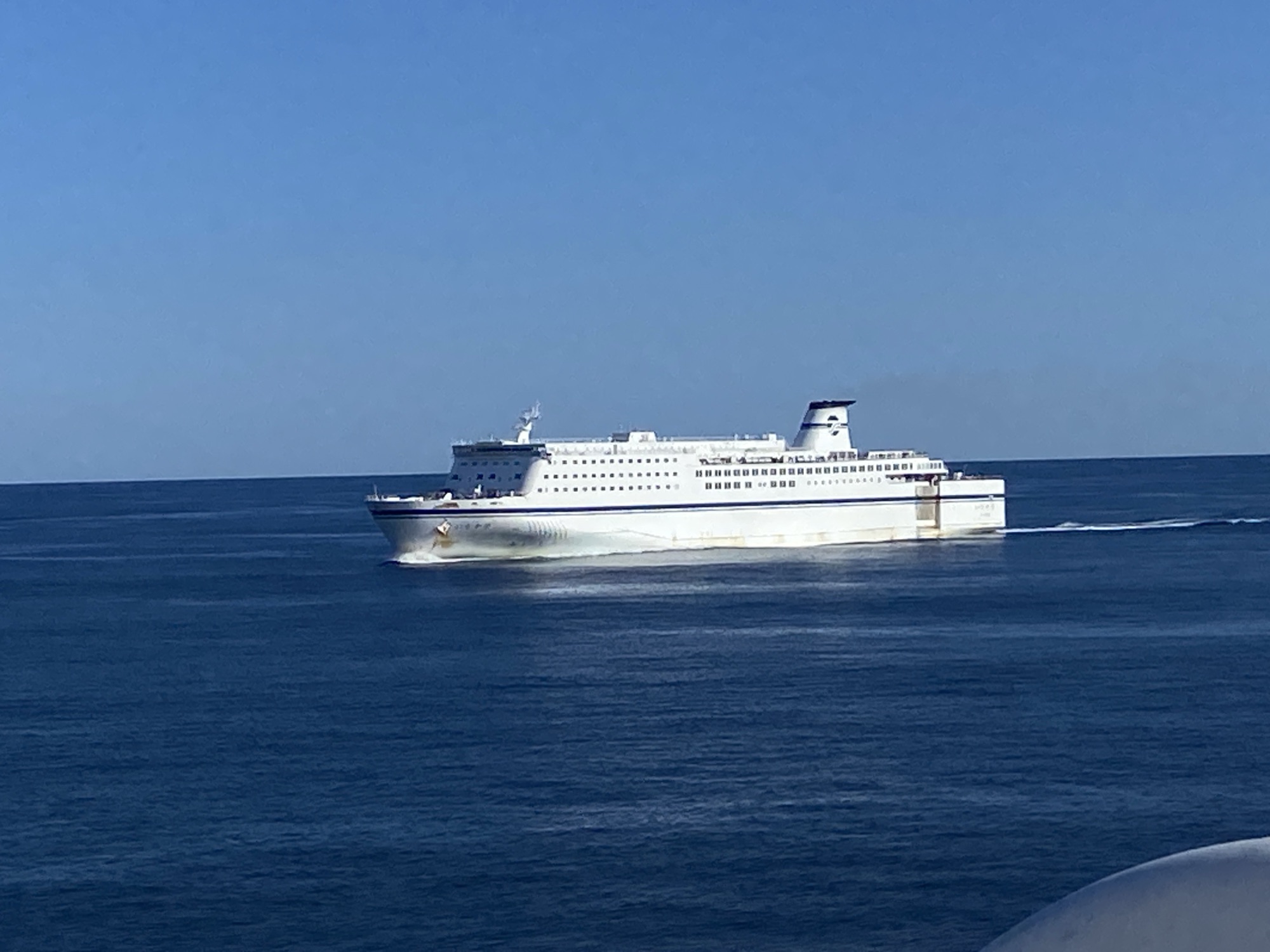
The story begins in Kokura. Our overnight ferry from Osaka docked at Shimonoseki Port, and we were woken by an announcement an hour before arrival. We quickly grabbed a shower, then waited as the ship slowly reached port. Everyone — mostly locals — lined up patiently to disembark. Outside, it was drizzling, which would be the theme of the whole day.

A free shuttle bus took us from the port to Kokura Station, where we picked up our rental car. In hindsight, we should have inspected it more carefully, because later we noticed a small scratch. Luckily, we had purchased full insurance, so hopefully no big issues there. The car was smaller than expected, but with just the two of us, our luggage fit in snugly.
We had hoped to visit the Kitakyushu Manga Museum, but it didn’t open until 11 a.m. Instead, we headed for the TOTO Museum.


🚽 TOTO Museum
If you’ve ever used a Japanese toilet, chances are it was made by TOTO. Founded in 1917 in Kitakyushu, TOTO started as a ceramics company and grew into Japan’s most famous sanitaryware brand. From high-tech bidets to beautifully designed porcelain basins, their products are everywhere — even back home in Malaysia, I knew the TOTO brand long before coming to Japan.
The museum itself was free to enter, and while not exactly a must-see, it was quirky and fun. We admired exquisitely designed basins, historical exhibits, and even a toilet-shaped motorcycle. Only in Japan!
🍜 Ramen at a Rest Stop
From Kokura, we drove towards our overnight stop at Takeo, but made a detour to Imari Town. On the way, we stopped at a rest area and to our delight, found an Ichiran ramen shop.

Now, Ichiran may be everywhere in Kyushu (since it originated in Fukuoka in 1960), but back in Malaysia it’s a rare treat. Having it at a quiet highway stop, without the usual long lines, felt like a small victory.
🍶 Imari Porcelain Town
By afternoon we reached Imari, a town world-famous for its porcelain. In the 17th century, Korean artisans introduced porcelain techniques here, and the high-quality wares known as Imari-yaki were shipped to Europe, where they became prized treasures in palaces and museums.


Imari today feels quiet and peaceful. Perhaps because of the drizzle, we hardly saw other tourists. The town is dotted with porcelain everywhere — from streetlamps to bridges. We also browsed a few pottery shops.
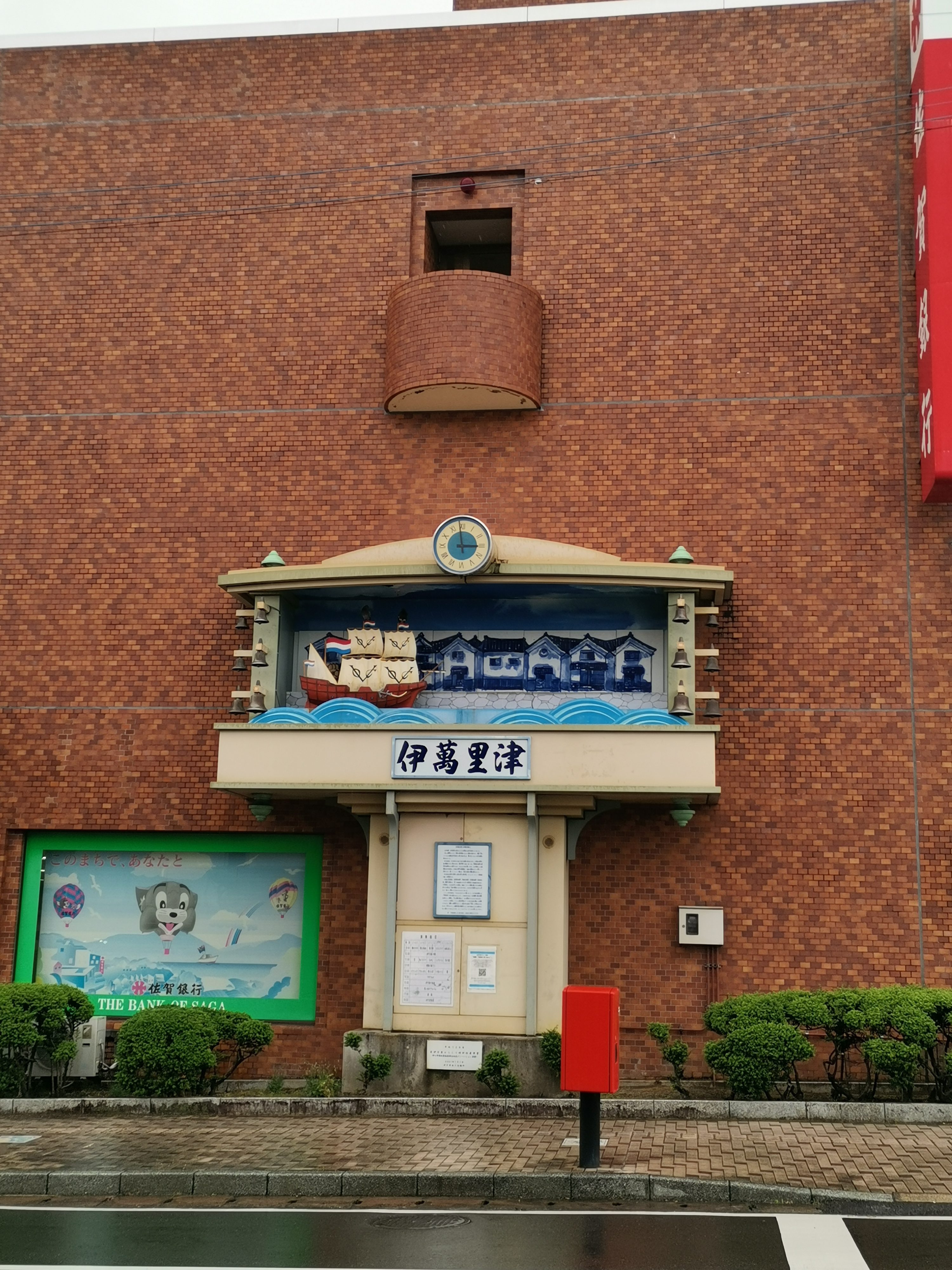
One curiosity was the Porcelain Clock Tower, said to have a little show every hour like a cuckoo clock. I stood in the rain for 15 minutes waiting, but when the hour struck, all I got was music. No moving figures. Was it broken? Or maybe that was the whole show. Either way, it remains a small mystery to me.
♨️ Takeo Onsen Town
By evening, we continued to Takeo Onsen, a historic hot spring town with a 1,300-year history. The waters here are famous for their smooth, skin-beautifying quality, and the town has long attracted both feudal lords and writers.


Our hotel was charming and atmospheric. Guests were given free access to the renowned Mifuneyama Rakuen, though unfortunately it was still raining and we were too tired to explore. Instead, we enjoyed the cozy room and headed for the onsen.
The bath was award-winning — relaxing in an outdoor hot spring with tea and snacks in hand felt like pure luxury. Dinner at the hotel rounded off the day, and after so much hopping around in the drizzle, we had one of the best sleeps of the trip.
If you’re planning something similar, I’ve mapped out the full 38-day route, pacing, and logistics here: 38 Days in Japan: Complete Itinerary, Routes & Practical Guide (Nakasendo, Kumano Kodo & Kyushu)
👉 10 standout food experiences worth seeking out – Japan Foodie Map: My Top 10 Meals Across Japan

Leave a Reply