

Lagos, Portimão & Carvoeiro | 24 December 2025
Sunrise over Lagos & the Cliffs of the Western Algarve
The day began quietly in Lagos, with breakfast by the hotel window as the sun rose over the Atlantic. Even in winter, the Algarve coastline carries a soft glow in the early hours, the light revealing layers of limestone cliffs shaped by millions of years of erosion. Lagos sits on Portugal’s south-western Atlantic coast, a region long defined by the meeting of land and sea — first for fishing communities, later for explorers during the Age of Discoveries.
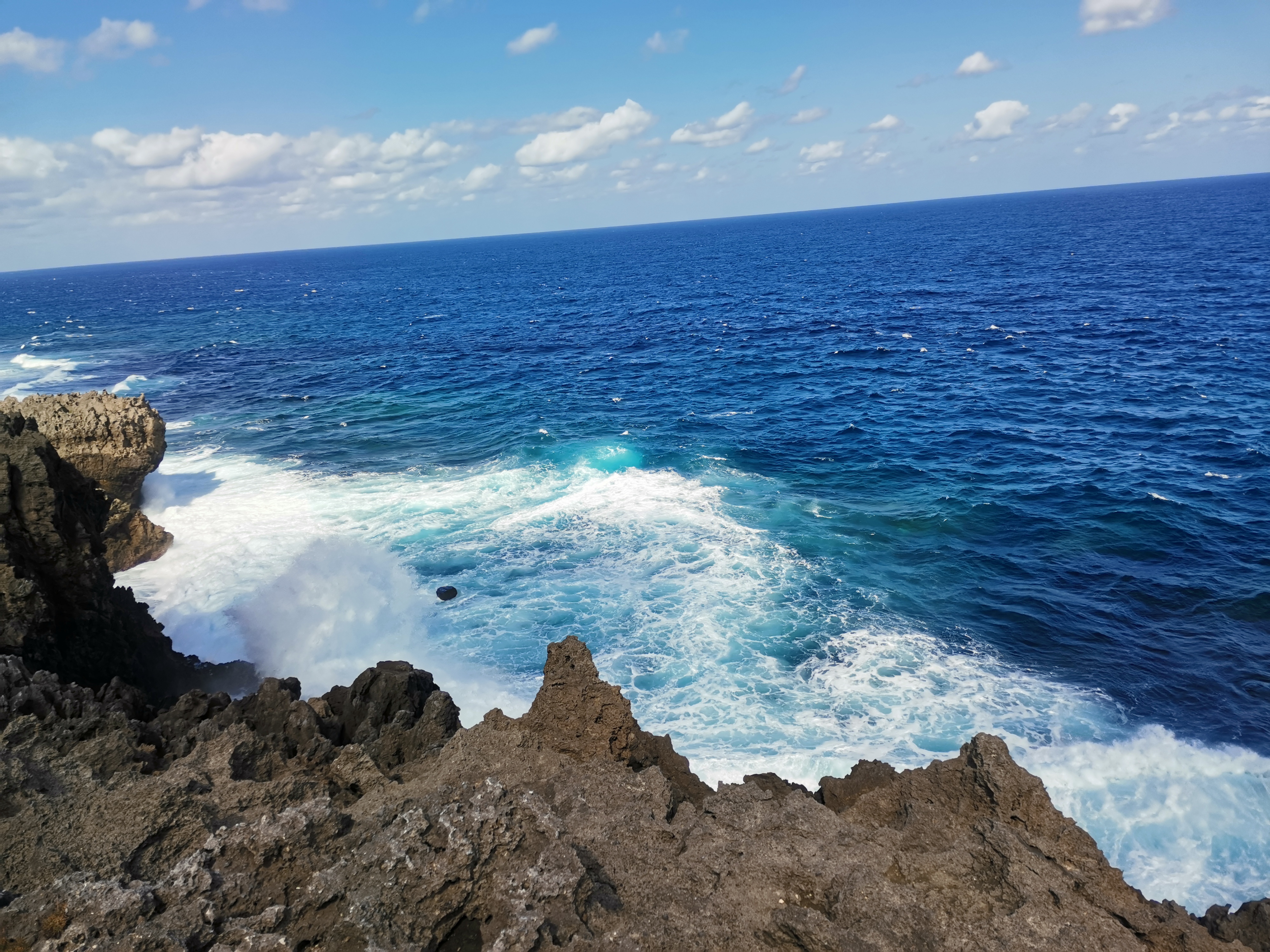
After breakfast, we set out on foot to explore the Lagos coastal cliffs, walking from beach to beach along the rugged shoreline. This stretch of coast is famous for its sculpted rock formations, arches, and caves carved by wind and waves. Under the gentle morning sunlight, the cliffs glowed in warm tones of gold and ochre. It felt like the kind of place where you could walk endlessly, pausing only to take in the views below.
At the southernmost points of the coast, the sea caves became more dramatic and serene. I’ll admit — climbing down endless steps is not my favourite activity. The Algarve cliffs are beautiful, but they demand effort. Still, once we reached the bottom, every step was worth it. Waves crashed softly against the sand and echoed through the caves, the sound of wind and water filling the space. These natural chambers made for incredibly atmospheric photo spots — raw, quiet, and untouched.


Portimão: Vast Beaches & Atlantic Life
After the walk, we debated our next destination: Portimão or Carvoeiro. With it being Christmas Eve, transport availability was on our minds. Portimão appeared closer on the map, so we opted for practicality. The taxi ride from Lagos took about 30 minutes, affordable and easy.
Portimão felt noticeably quieter than Lagos, its streets calm and almost empty. We walked straight toward Praia da Rocha, one of the Algarve’s longest beaches. The sand appeared darker — likely wet from recent tides — and the sea stretched endlessly ahead. Without dramatic cliffs framing the shore, the beach felt open and exposed. The sky was gloomy but dry, and most people lingered along the boardwalk rather than on the sand.
Further along, near the stone pathway leading to the lighthouse, the atmosphere changed. Here, we saw people playing by the water and surfers riding the Atlantic waves — a reminder that this coast has long been shaped by the ocean, both culturally and economically. Portimão was historically a fishing and shipbuilding town, and even today, the sea remains central to daily life.
The walk to the lighthouse felt surprisingly long — about ten minutes of steady walking — but reaching the end was fun in its own way. Standing there and looking back, it felt as if we had ventured far into the sea itself. Still, we quickly realised something about ourselves: we are not beach-lounging people. I admire those who can lie on the sand for hours. I simply can’t stay still — even though I am, paradoxically, an experienced couch potato.


Carvoeiro & the Seven Hanging Valleys Trail
By midday, we felt we still had more energy — and curiosity — left. Despite earlier concerns about taxis, we decided to head to Carvoeiro, and what a decision that turned out to be.
The main reason was the coastal hike, part of the famous Seven Hanging Valleys Trail (Percurso dos Sete Vales Suspensos). This dramatic trail runs along the limestone cliffs between Praia da Marinha and Praia do Vale de Centeanes, offering some of the Algarve’s most iconic views. Praia da Marinha itself is often ranked among the most beautiful beaches in the world, known for its natural arches and crystal-clear water.
We started the hike around 2:30 pm, aiming to finish before sunset. The full walk took us about 3.5 hours, partly because we misread some signs and accidentally ventured off the main path, adding a long detour. Generally, the trail is well-marked, with instructions at the starting points — it’s worth paying attention early on.
The terrain was manageable but varied. Some sections required steady uphill and downhill walking, and while pathways exist, it’s tempting to wander closer to the cliff edges. Caution is essential here — this is raw nature, and unstable ground is a real risk.
Along the way, the highlights were unforgettable:
- Benagil Cave (Algar de Benagil) — the famous sea cave with its “eye” opening, best explored by boat or kayak
- Algar Seco — sculpted cliffs near Carvoeiro with grottoes and the iconic Boneca Cave, a natural window to the sea
- Carvoeiro Boardwalk (Passadiço de Carvoeiro) — a scenic cliff-top walkway connecting town to the rock formations
- Hidden viewpoints overlooking turquoise water, arches, and secluded beaches
There were also long stretches of pure walking — no shortcuts here. Bring water, go to the toilet beforehand, and maybe pack a banana. We were desperately craving one by the end, but we soldiered on.
We finished the hike at 6:05 pm, just after sunset. Exhausted, we skipped beach time. The gloomy weather muted the colours of the sunset anyway, so we opted for a taxi back.


Christmas Eve in Lagos: Cold, Quiet & Reflective
The ride back to Lagos took 45 minutes to an hour, and we stopped by a supermarket to assemble a simple Christmas Eve dinner. The night was cold — surprisingly so for southern Portugal — though thankfully dry.
After resting, we headed out again at midnight to attend Christmas Eve Mass at Igreja de Santa Maria, Lagos’ main church. Dating back to the 15th century, the church stands as a reminder of Lagos’ importance during Portugal’s maritime golden age.
Even at midnight on Christmas Eve, taxis were available, though with a short wait. It reinforced an important travel tip: Lagos may be small, but Bolt and Uber work reliably — even on holidays.
We returned to the hotel tired, cold, and content, hopeful for even better luck on Christmas Day.




Leave a Reply