

1 May 2025 Thursday & 2 May 2025 Friday

Imagine cycling along a quiet coastal road, the salty breeze in your hair, and the horizon glowing with the golden hues of sunrise. There’s something inherently romantic about exploring a place on two wheels—especially when that place is one of Japan’s most scenic cycling routes: the Shimanami Kaido.
This 70-kilometer cycling highway connects Onomichi in Hiroshima Prefecture to Imabari in Ehime Prefecture, weaving through a chain of peaceful islands in the Seto Inland Sea. With smooth paths, clearly marked blue cycling lanes, bike-friendly bridges, and stunning views, the Shimanami Kaido offers more than just a ride—it’s a journey full of charm and discovery. What stood out most to me were the hidden cafés, fascinating historical sites, and the quiet hospitality found throughout the route.

What Is the Shimanami Kaido?
The Shimanami Kaido is one of Japan’s most iconic and accessible cycling routes, connecting six islands—Mukaishima, Innoshima, Ikuchijima, Omishima, Hakatajima, and Oshima—via a series of impressive suspension bridges. It’s not just a transportation corridor; it’s a thoughtfully designed cyclist’s paradise.


Along the way, you’ll find bike rental stations, rest stops, bilingual signage, and even shower facilities. Whether you’re a seasoned rider or just looking for a scenic adventure, the route is friendly to all experience levels. E-bikes (battery-assisted bikes) are available for rent and are especially useful for steeper inclines and windy bridges.
Our 2-Day Cycling Itinerary
We opted to complete the route in two leisurely days to take full advantage of the views, culture, and delicious food along the way. Instead of cycling from Onomichi, we began our ride in Setoda, skipping the earlier part of the route to ease into the experience.
Day 1: Hiroshima → Mihara → Setoda → Omishima
After taking the train from Hiroshima to Mihara, we boarded a ferry to Setoda on Ikuchijima Island. We picked up our pre-booked bikes there—an unexpectedly smart choice in hindsight. Unlike the more popular rental spots in Onomichi, Setoda was much quieter, which meant we were able to snag two battery-assisted bikes (which can’t be reserved in advance).
The moment we began pedaling, it felt like we were riding through a painting—lush green hills, quiet roads, and panoramic sea views stretching in every direction.
A highlight on Ikuchijima was Kosanji Temple, an elaborately designed complex modeled after famous temples across Japan, and right next to it, the surreal Hill of Hope—a gleaming white marble terrace offering stunning views over the Seto Inland Sea. It’s an unexpected and unforgettable stop.


A highlight of the day was stopping at a handful of small seaside cafés for fresh juice, pastries, and spontaneous chats with friendly locals.


Before checking in on Omishima, we made a detour to the Hakata Salt Factory. There, we indulged in their signature orange salt soft serve ice cream—a surprisingly delicious blend of sweet and savory. We also tried the salt bath spa next door, and after a full day of traveling and cycling, soaking in that mineral-rich hot bath was nothing short of divine.


We ended the day by checking in at our accommodation on Omishima, followed by a peaceful, starlit walk to wind down.
Day 2: Omishima → Hakatajima → Oshima → Imabari
Our second day began with a scenic detour to a local shrine known for its impressive collection of swords—a subtle but striking reminder of the island’s samurai history.


For brunch, we stopped at a cozy, sea-facing restaurant called Umimachi Bar Ameri. It’s run by a lovely couple and offers a small, curated menu with dishes that are only available by reservation—so be sure to book in advance if you plan to visit.


Next, we continued across Hakatajima and Oshima. In Hakata, we stumbled upon a delightful family-run restaurant called Shima Bar Boff, seemingly operated by three generations. The food was exceptional—simple, authentic, and clearly loved by locals. It turned out to be one of our favorite stops of the whole trip.


The final stretch to Imabari included the longest bridge on the route. The sea views were breathtaking, but the wind was fierce. This is where our battery bikes really came in handy—you can always switch them off if you’re up for the challenge, but they’re a real blessing when the going gets tough.
After arriving in Imabari, we returned our bikes and caught a train to Matsuyama, a charming city famous for its onsen and laid-back atmosphere.


For dinner, we visited Ginyosei, a cozy and well-loved seafood restaurant in Matsuyama. I’m not entirely sure if that’s where we ate that night, but the meal was unforgettable—it was my first time trying bonito sashimi, and I instantly fell in love. Unlike salmon or tuna, it has a rich, smoky flavor and a firmer texture that left a lasting impression.
Setoda Lemons and Ehime Oranges: A Citrus Trail Across Islands
As we cycled through Setoda on Ikuchijima, one thing that stood out immediately was the sheer number of lemon trees—bright yellow fruits hanging from lush green branches, lining the quiet roads and hillsides like living decorations. This area is famous for its Setoda lemons, and you really feel it as you pass cafés and shops offering everything from lemon soda and lemon pastries to lemon ramen and even lemon-scented salt. It adds a fresh, zesty charm to the entire cycling experience—like the scent of sunshine in the breeze.
Interestingly, as we crossed over into Ehime Prefecture, the landscape began to subtly shift—from lemon groves to orange trees. This region is known across Japan for its premium mikan (mandarin oranges), especially in Matsuyama, where orange-flavored sweets, juices, and souvenirs abound.
It made me think of Nami from One Piece, who famously tends to an orange grove on her home island. I couldn’t help but wonder—was this citrusy coastline part of the inspiration behind her story? The warm climate, ocean views, and orchards certainly make it feel like a world pulled straight from a manga panel.
Pro Tips & Things We Wish We Knew
- Sunscreen is essential – Even on cooler days, the reflection off the sea can leave you sunburnt before you know it.
- Don’t rush the ride – Many travelers focus on completing the route, but the real magic lies in the journey itself: the quiet shrines, hidden cafés, local art, and those unexpected, heartwarming moments.
- Use the official Shimanami Kaido website to plan your ride. It lets you tailor your route based on time, fitness level, and interests: https://shimanami-cycle.or.jp
- Return your bikes at Imabari – The process is simple and convenient. From there, we hopped on a train to Matsuyama, a great spot to relax, soak in an onsen, or continue your Shikoku adventure.
🚴 Shimanami Kaidō Budget (2-Day Cycling Trip)
- Ferry: Mihara → Setoda (Ikuchi Island): ¥920
- Bicycle Rental (2 days): ¥8,000
- Luggage Transfer (Takkyubin service): ¥3,000
- Train: Hiroshima → Mihara (local line): ¥1,980 (one way)
- Train: Imabari → Matsuyama: ¥1,080
- Matsuyama City Tram: ¥480
📊 Estimated Subtotal
¥15,460 (excluding food & accommodation)
🍜 Accommodation & Food
- Both depend on individual preferences.
- Expect to spend around ¥2,000–3,500 per person for meals.
- Accommodation ranges from budget guesthouses to ryokan splurges along the route.
✨ With flexible choices for food and stays, your final cost will vary — but the essentials (bike, ferry, trains, luggage transfer) already give a good idea of the baseline
Final Thoughts
The Shimanami Kaido is so much more than just a cycling route. It’s a journey into Japan’s quieter, more soulful side—where modern infrastructure meets centuries of history, and every bridge brings a new surprise.
Whether you’re a dedicated cyclist or simply someone looking for a beautiful, active way to experience Japan, this adventure deserves a place on your travel list. Take it slow, soak it in, and let the Seto Inland Sea guide your ride.
👉 A complete 38-day Japan itinerary, including Nakasendo walking, Kumano Kodo hiking, Shimanami Kaido cycling, and a Kyushu road trip.
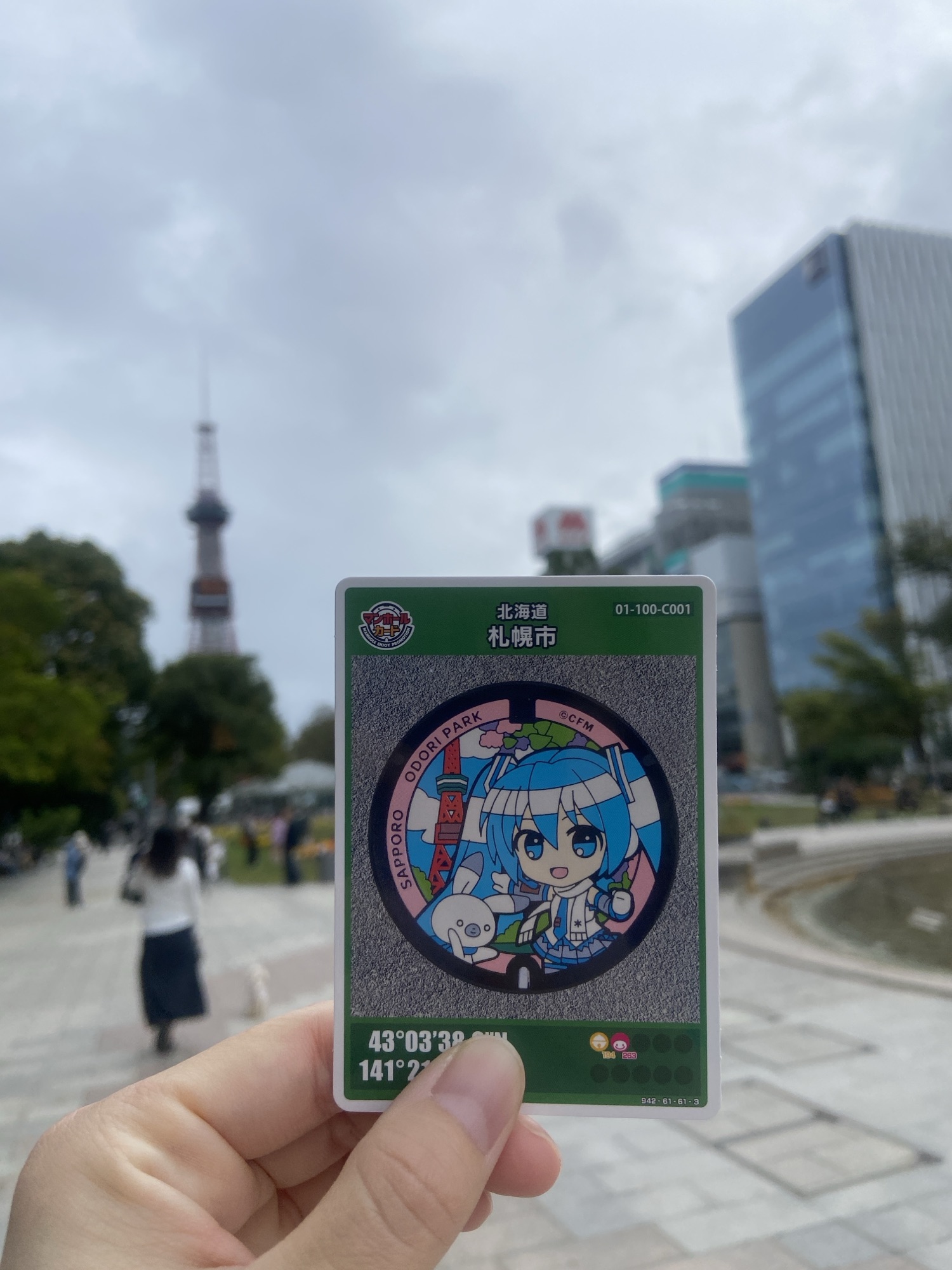
👉 Guide and tips for collecting Manhole Cards across Japan — click here to read more.
👉 Don’t miss Japan’s postcard-sending experience — read the full guide here.
👉 10 standout food experiences worth seeking out – Japan Foodie Map: My Top 10 Meals Across Japan




Leave a Reply