
21 November 2026


By late November, much of mainland Japan is beginning to embrace winter. Maple leaves are reaching their final brilliant colours, temperatures are dropping rapidly, and heavy coats are becoming essential.
Yet over 2,000 kilometres to the south, the Yaeyama Islands tell a completely different story.
On Ishigaki Island, warm sunshine still bathes the coastline, hibiscus flowers continue to bloom, and the turquoise sea remains the centrepiece of everyday life. The subtropical climate gives the island an almost timeless quality, where summer seems reluctant to leave.
Today, we explored Ishigaki’s spectacular northern coastline before ending another memorable day around the dinner table—proof that some of the best travel memories are created not only by famous landmarks, but also by the meals shared afterwards.
A Landscape Shaped by Coral Reefs
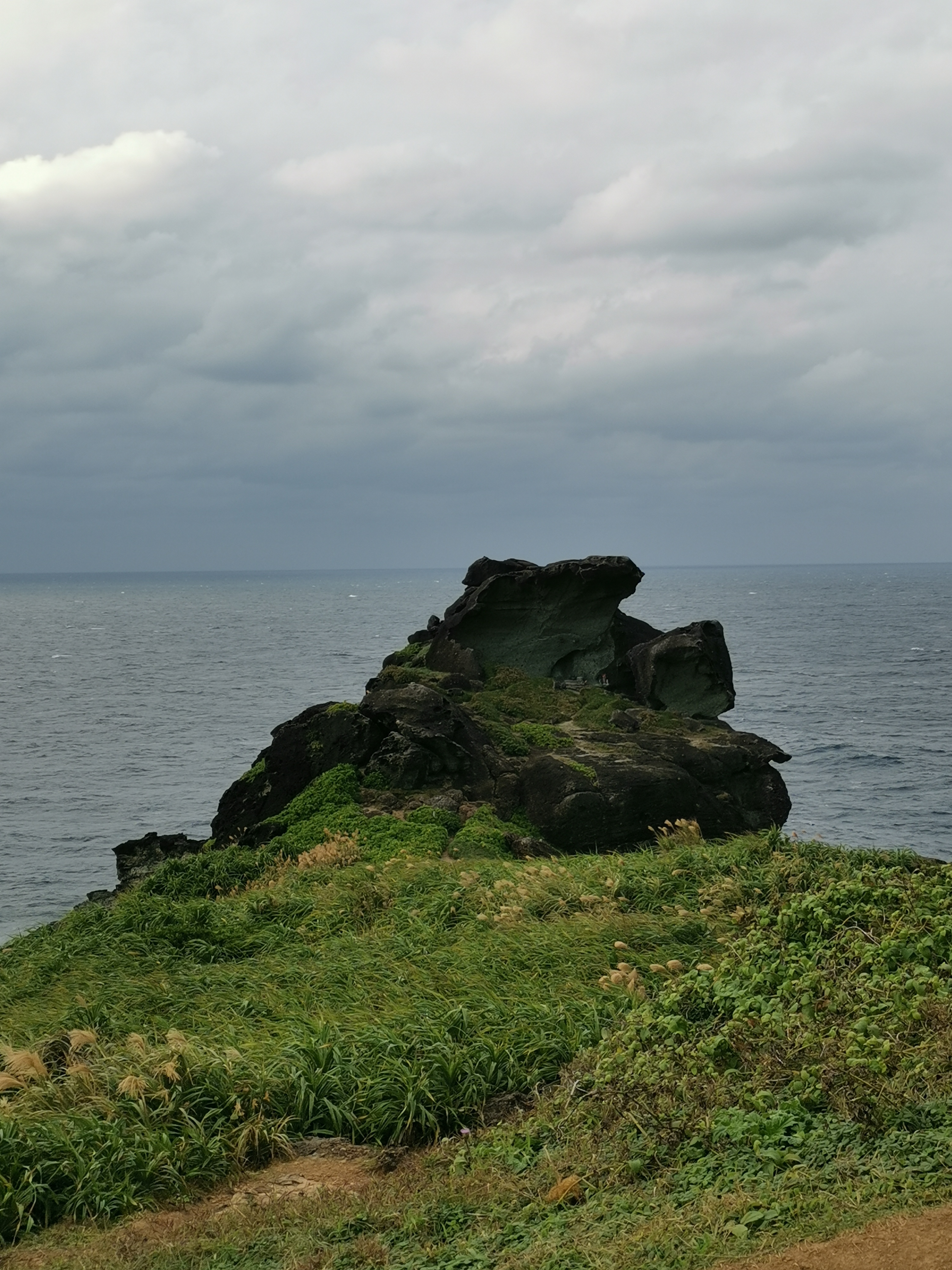
Like much of Ishigaki Island, the coastline here owes its beauty to coral reefs that have developed over thousands of years.
These reefs not only create the brilliant colours visible from the observatory but also act as natural barriers that protect many of the island’s beaches from large ocean swells.


For centuries, fishermen from nearby villages relied on these coastal waters for fishing, while the fertile plains surrounding Ibaruma supported sugarcane cultivation that continues today.
Standing quietly at the observatory, it becomes easy to understand why this viewpoint remains one of the island’s most photographed locations.
Google Maps:
https://www.google.com/maps/search/?api=1&query=Tamatorizaki+Observatory+Ishigaki
Kabira Bay – Japan’s Emerald Paradise
Leaving the northeast coast behind, we drove across Ishigaki Island towards what is arguably its most famous attraction—Kabira Bay (川平湾).
Often featured in tourism posters and travel magazines, Kabira Bay has repeatedly been recognised as one of Japan’s most beautiful scenic landscapes and is designated as a Place of Scenic Beauty by the Japanese government.
The first thing that catches your attention is the colour.
Calling it “blue” almost feels inadequate.
The water constantly shifts between emerald green, turquoise, jade and crystal-clear sapphire depending on the angle of the sun, tidal conditions and the white sand beneath the surface.
It almost looks unreal.
Discovering the Underwater World by Glass-Bottom Boat
Although swimming is prohibited at Kabira Bay, there is a much better way to experience what lies beneath the surface.
We boarded one of the bay’s famous glass-bottom boats, allowing us to observe the marine world without getting wet.
As the boat glided quietly across the calm waters, colourful coral gardens gradually came into view beneath our feet.
Schools of tropical fish darted between the reefs while several enormous giant clams (Tridacna gigas) rested peacefully on the seabed.

Some were surprisingly huge—far larger than we had imagined.
Seeing these ancient shellfish in their natural habitat was undoubtedly one of the highlights of the cruise.
The ride itself lasts around thirty minutes, making it suitable for visitors of all ages, especially families travelling with children or elderly parents who may not wish to snorkel.
The Birthplace of Japan’s Black Pearls
Kabira Bay is not only famous for its scenery.
It also occupies an important place in Japan’s maritime history.
The bay is recognised as the birthplace of Japan’s black pearl cultivation.
During the twentieth century, marine researchers discovered that the bay’s calm waters, stable temperatures and nutrient-rich currents provided ideal conditions for cultivating black-lipped pearl oysters.
The industry helped establish Ishigaki as one of Japan’s important pearl-producing regions and remains part of the local economy today.
Visitors will notice several jewellery shops around Kabira selling locally cultivated pearls, making them one of the island’s most meaningful souvenirs.
Why Can’t You Swim in Kabira Bay?
One question nearly every visitor asks is:
“If the water looks this beautiful, why can’t anyone swim here?”
The answer lies beneath the surface.
Despite its calm appearance, Kabira Bay experiences powerful tidal currents that change rapidly throughout the day.
These currents can become extremely dangerous, particularly around the narrow channels connecting the bay to the open sea.
To protect both visitors and the fragile coral ecosystem, swimming has long been prohibited.
Ironically, that restriction has helped preserve Kabira Bay’s extraordinary beauty for future generations.
Google Maps:
https://www.google.com/maps/search/?api=1&query=Kabira+Bay+Glass+Bottom+Boats+Ishigaki
Ending the Day with the Flavours of Yaeyama
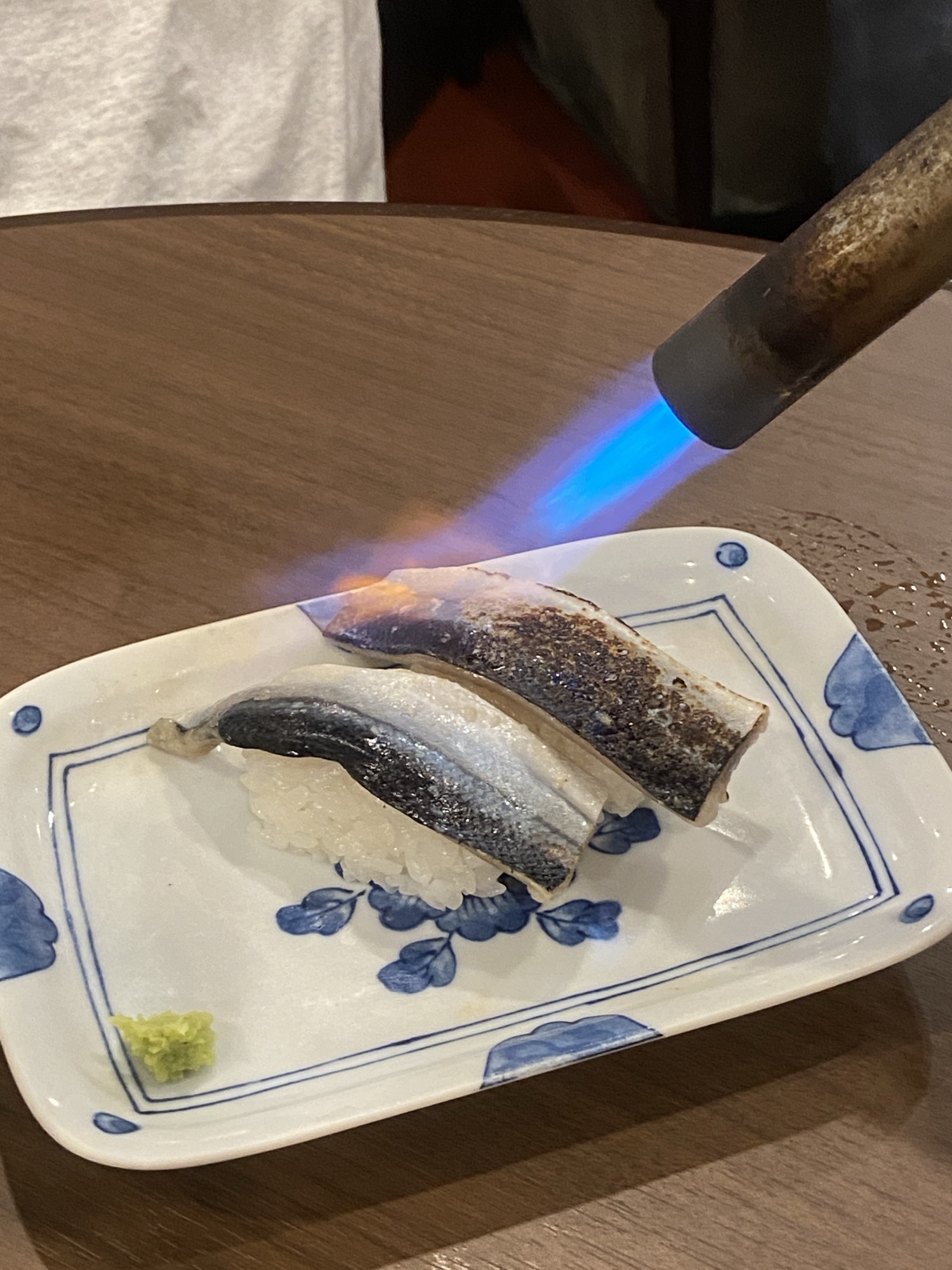
After spending the day chasing spectacular coastal scenery, we returned to Ishigaki City for another evening at a local izakaya.
Travelling around Okinawa quickly teaches you that meals are about much more than food.
They are moments to slow down, reflect on the day’s adventures and enjoy local hospitality.
Our table soon filled with an assortment of Yaeyama favourites.
Freshly fried seafood cutlets arrived first, served with creamy homemade Japanese tartar sauce.
Next came beautifully crisp beni-imo (purple sweet potato) croquettes.


Purple sweet potatoes have been cultivated throughout the Ryukyu Islands for centuries and have become one of Okinawa’s signature agricultural products. Their naturally sweet flavour and vibrant purple colour make them instantly recognisable.
We also ordered another plate of yakisoba together with locally harvested clams steamed in butter, sake and garlic.
Simple ingredients.
Fresh seafood.
Warm conversation.
Sometimes that is all a memorable dinner needs.
As we looked back on the day—from standing between two great oceans at Tamatorizaki to drifting above coral reefs in Kabira Bay—it reminded us that Ishigaki’s greatest attraction isn’t simply one destination.
It is the harmony between nature, history and everyday island life that quietly unfolds around you.
Practical Information
📍 Tamatorizaki Observatory
Google Maps:
https://www.google.com/maps/search/?api=1&query=Tamatorizaki+Observatory+Ishigaki
Admission
- Free
- Open 24 hours
Allow: 20–40 minutes
Travel Tips
- Early morning offers softer light and fewer visitors.
- There are free parking spaces and public toilets.
- The short uphill path is paved and suitable for most visitors.
📍 Kabira Bay Glass-Bottom Boat
Google Maps:
https://www.google.com/maps/search/?api=1&query=Kabira+Bay+Glass+Bottom+Boats+Ishigaki
Boat Information
- Approximately 30 minutes
- Adults: around ¥1,300–¥1,500 (subject to operator)
- Boats depart roughly every 15 minutes during operating hours.
Travel Tips
- Advance reservations are generally unnecessary outside Japanese public holidays.
- Morning departures often provide the clearest water conditions.
- Even if it rains lightly, boats usually continue operating unless sea conditions become unsafe.
Getting Around Ishigaki Island
A rental car remains the best way to experience Ishigaki Island.
The drive from New Ishigaki Airport (Painushima Ishigaki Airport) to Tamatorizaki Observatory takes approximately 30 minutes, while continuing across the island to Kabira Bay requires another 40–45 minutes.
The roads are well maintained, traffic is generally light, and driving becomes part of the experience as sugarcane fields, rolling hills and coastal scenery unfold around every corner.
Visitors relying on public transport can use Azuma Bus, which operates services between the airport, Ishigaki City and Kabira Bay. However, buses to Tamatorizaki Observatory are relatively limited, so careful timetable planning is essential.
For travellers hoping to explore Ishigaki beyond the main attractions, self-driving offers the greatest flexibility and perfectly complements the island’s relaxed, slow-travel lifestyle.


Leave a Reply