
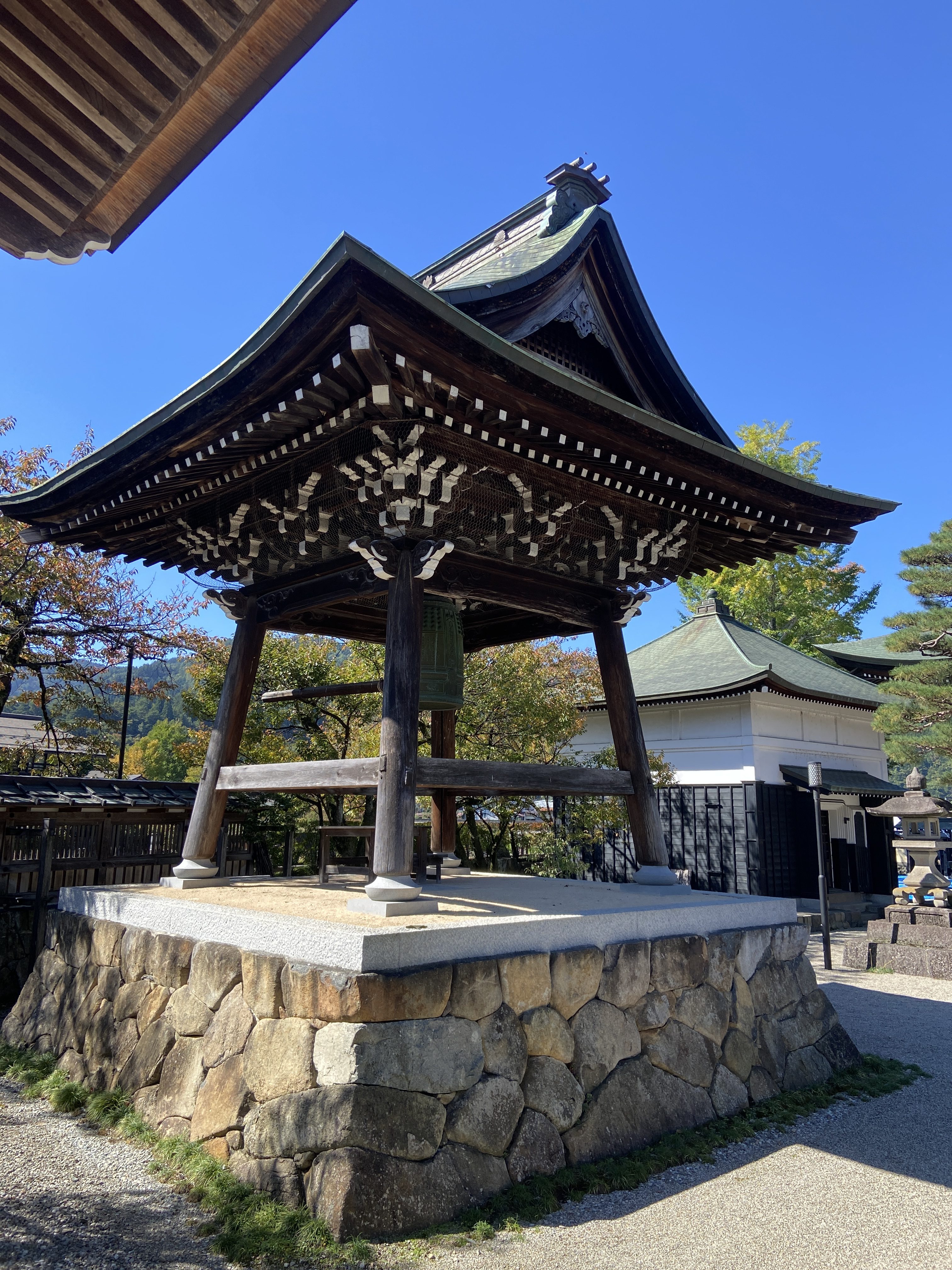
11 October 2026 · Hida Takayama and Hida-Furukawa, Gifu, Japan
A Slow Morning in Takayama Before Heading to Hida-Furukawa
After spending the previous days exploring the Hida region, we had booked ourselves a really comfortable hotel in Hida Takayama. Naturally, that made us a little lazy in the morning. Rather than rushing out early to fit in as many attractions as possible, we took our time getting ready before finally heading to the station a little after 9 am.
Our destination was Hida-Furukawa, a small town north of Takayama that is often visited as a day trip. While Takayama is well known for its preserved old town, traditional wooden houses and lively tourist streets, Hida-Furukawa offers a quieter experience, with its waterways, traditional architecture and a more understated atmosphere.

The two towns share a connection to the wider Hida region, an area historically known for its timber, skilled carpenters and mountain communities. Yet each has its own character, making Hida-Furukawa a worthwhile addition to a Takayama itinerary, especially if you prefer exploring at a slower pace.
Taking the JR Train from Takayama to Hida-Furukawa
Getting there was straightforward. We simply walked across the street to the railway platforms and boarded a local JR train to Hida-Furukawa Station. The journey took around 15 minutes, making it an easy excursion without the need to rent a car or arrange complicated transfers.
Despite travelling just after the Takayama Festival period, we had no trouble finding seats for the short ride. Once we arrived at Hida-Furukawa Station, we followed the other visitors heading towards the town’s main sightseeing area.
One of the advantages of visiting Hida-Furukawa from Takayama is that the journey is short enough to leave plenty of time for wandering. There is no need to turn it into a tightly scheduled excursion. A relaxed walk through the town, a traditional lunch and a few hours by the canal can easily form the main part of the day.
Setogawa Canal and the White-Walled Storehouses
Our first stop was the Setogawa Canal, one of the most recognisable sights in Hida-Furukawa. We took pictures of the koi swimming through the water and wandered along the canal, enjoying the peaceful surroundings.
The scenery was beautiful in its simplicity. Colourful koi moved through the clear water while traditional white-walled storehouses stood along the banks, their bright plaster walls contrasting with the darker timber structures. The atmosphere felt quite different from the busier streets of Takayama.


The canal runs alongside the historic Shirakabe Dozo District, where the white-walled storehouses reflect the town’s history as a centre of commerce and traditional industry. Some of these buildings belonged to sake breweries, and the surrounding streets retain the character of an old Japanese castle town.
The canal itself has an interesting history. During the Edo period, it was constructed to carry water from the former moat of Masushima Castle towards the surrounding rice fields. It also served as a boundary between the samurai district and the area occupied by ordinary townspeople. Over time, the waterway became part of everyday life, providing water for practical purposes rather than serving merely as a scenic feature.
Feeding the Giant Koi
We spent some time watching the koi and feeding them with pellets purchased from the honesty boxes along the canal. More than 1,000 colourful carp inhabit this waterway during the warmer months, making them an important part of the town’s identity.
Our visit on 11 October was well timed for seeing the koi in the canal. The fish are usually moved to a pond near the former Masushima Castle site in late November to protect them from the cold winter, returning when the weather warms in spring.
For anyone planning a visit, this seasonal detail is worth remembering. If seeing the koi is one of the main reasons for visiting Hida-Furukawa, spring through autumn is generally the better time to go.


A Quiet Shrine and a Slower Side of Japan
After walking along the canal, we continued exploring the town and stopped at a shrine. The shrine was quite majestic, yet strangely quiet. While we were there, there was only another couple and one other tourist.


It was one of those moments when a place feels more spacious and peaceful simply because there are so few people around. We could take our time looking around rather than trying to get past crowds or waiting for everyone to finish taking photographs.
The town’s history is closely tied to its mountain environment and its skilled craftsmen. Hida was historically known for its timber and carpentry, and the region’s master builders, known as Hida no Takumi, developed a reputation for their woodworking skills. This heritage is still visible in the traditional buildings, temples and shrines throughout the area.
Rather than rushing from one attraction to another, we spent the next few hours strolling around, taking photographs and enjoying the atmosphere. By around midday, we were ready to find somewhere to eat.
Lunch: Traditional Hida Beef with Hoba Miso
For lunch, we found a restaurant serving traditional Hida beef with leaf miso, a regional dish that was a nice change from the meals we had been having elsewhere.
The dish is associated with hoba miso, a speciality of the Hida and Takayama region. Hoba refers to the large leaf of the Japanese magnolia tree, which is used as a natural cooking surface. Miso is spread over the leaf, often together with ingredients such as mushrooms and spring onions, before being heated over a small grill.


The tradition developed partly in response to the harsh winters of the mountainous region. When food was difficult to keep from freezing, locals used magnolia leaves to heat miso and preserved ingredients over the hearth. Today, the dish remains a popular way to enjoy local flavours, sometimes with Hida beef added to the preparation.
We enjoyed our lunch, and I was glad that we had eaten earlier. When we passed the restaurant again later, it had become full, even though only two tables had been occupied when we first arrived.
Even in a relatively quiet town, the choice of restaurants can be limited, and a popular place may fill up quickly around lunchtime. If you have a particular restaurant in mind, it is worth checking its opening hours and arriving early rather than assuming you can walk in whenever you feel hungry.
A Birthday Surprise at the Tourist Information Office
After lunch, we made our way to the tourist information office. This was where we discovered a small bonus: because it was the tenth anniversary of Your Name (Kimi no Na wa), we were given a free bookmark.
It was an unexpected souvenir and a nice little addition to the day.
The connection between Hida-Furukawa and Your Name has helped introduce the town to a wider audience. The film, released in 2016 and directed by Makoto Shinkai, features scenery inspired by real places in Japan. Hida-Furukawa Station and parts of the town are among the locations that fans visit when tracing the film’s real-world inspirations.
The tenth anniversary in 2026 gave fans another reason to revisit these places. The town’s tourism promotion also included an anniversary bookmark featuring locations associated with the film, although souvenir availability may depend on remaining stocks.


Even if you are not particularly interested in anime, the connection adds another dimension to the town. Visitors arrive for different reasons: some want to see the canal and traditional architecture, while others come to recognise places associated with a favourite film. Both groups can enjoy the same streets, although the town itself remains much more than a film location.
We continued walking around the town for a little longer before eventually heading back to the station to catch the train to Takayama.
Back to Takayama for a Rest
After spending a few hours exploring Hida-Furukawa, we returned to Takayama by train. Although it had been a relatively relaxed day without much strenuous walking, we were surprisingly tired when we got back.
So, we did what had become a familiar part of our travel routine: we returned to our comfortable hotel and rested for a while before heading out again for dinner.
Dinner at Kitchen Hida: Choosing A4 Instead of A5 Hida Beef
For dinner, we went to Kitchen Hida, where we had booked a table in advance.
After enjoying Hida beef in a more traditional local dish at lunchtime, we wanted to try it prepared in a Western-style meal. This time, we deliberately chose A4 beef instead of A5 because we wanted to avoid beef that was too fatty.


Japanese Wagyu is graded according to several criteria, including the yield grade and meat quality. The A and B categories refer to yield, while the numerical grades from 1 to 5 reflect meat quality, including marbling, colour, texture and fat quality. A5 is the highest overall grade, but that does not automatically mean it will suit everyone’s preferences. A4 can be a good choice for diners who enjoy tender, flavourful beef but prefer a little less richness than heavily marbled A5.
And to be honest, the meal was really nice! We enjoyed the beef, and the service was great.
I was also glad that I had made a reservation earlier. When we arrived, we saw a sign indicating that the restaurant was fully booked. It would have been disappointing to miss out on dinner after looking forward to it, especially on a birthday evening.
There was another thoughtful touch: because we were celebrating a birthday that night, the restaurant gave us a small dessert. It was a simple gesture, but it made the meal feel a little more special.
Hida beef is one of the region’s best-known food specialities. Raised in Gifu Prefecture, it is prized for its tenderness and fine marbling. While sushi, ramen and other Japanese dishes often receive much of the attention during a trip, trying local beef is also part of experiencing what the Hida region has to offer.
If you are planning to dine at Kitchen Hida, I would recommend booking ahead, particularly if you have a specific date or dinner time in mind. Our experience was a good reminder that popular restaurants can fill up even when the town itself feels quiet during the day.
Final Thoughts: Is Hida-Furukawa Worth a Day Trip from Takayama?
Hida-Furukawa was a pleasant change of pace from Takayama. The canal, white-walled storehouses, colourful koi and quiet shrine gave us a few peaceful hours without requiring a complicated itinerary.
It is not a destination where we felt the need to rush between numerous attractions. Instead, the appeal was in walking around, enjoying the scenery, having a traditional lunch and discovering small details along the way. The free Your Nameanniversary bookmark was an unexpected bonus, too.
The short train journey also made it easy to return to Takayama for an afternoon rest before heading out for a good dinner. Between the relaxed day trip, the comfortable hotel and the A4 Hida beef at Kitchen Hida, it turned out to be a satisfying day without trying to do too much.
If you are staying in Takayama for more than a night or two, I think Hida-Furukawa is worth considering, especially if you enjoy traditional townscapes and quieter destinations. Just remember that the koi are seasonal, popular restaurants may fill up, and checking the return train schedule will help you make the most of your visit.


Leave a Reply