

28 Sep 2025
A Delayed but Smooth Train Journey
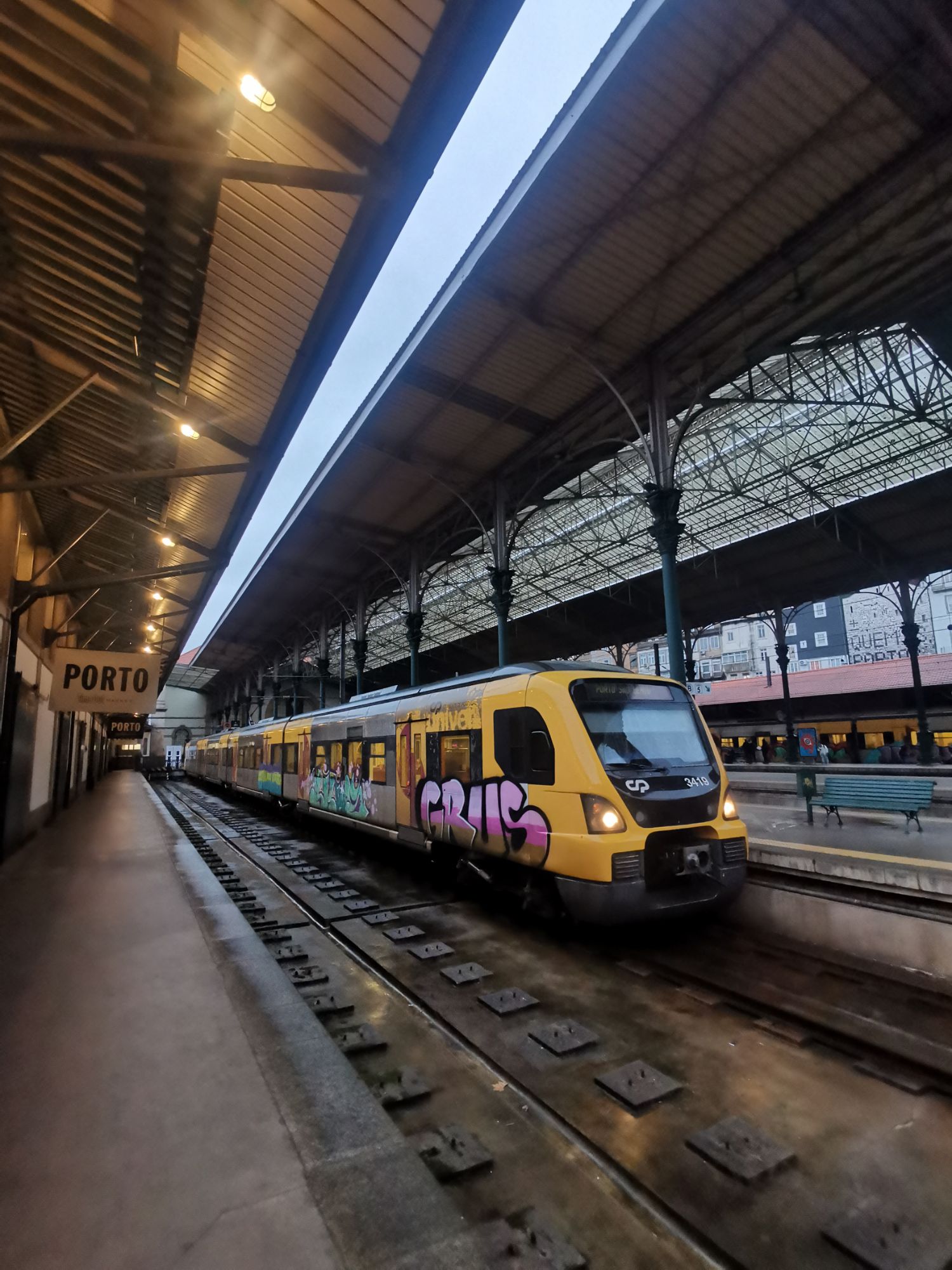
Our journey from Shache (莎车) to Hotan (和田) began with a small hiccup: although we had been assigned the lower bunk, someone was already occupying it when we boarded. After a brief exchange, the matter was quickly resolved, and we settled in. The train was delayed by roughly 30 minutes, which initially caused a bit of frustration, but once we were on our way, the journey proved smooth and comfortable.
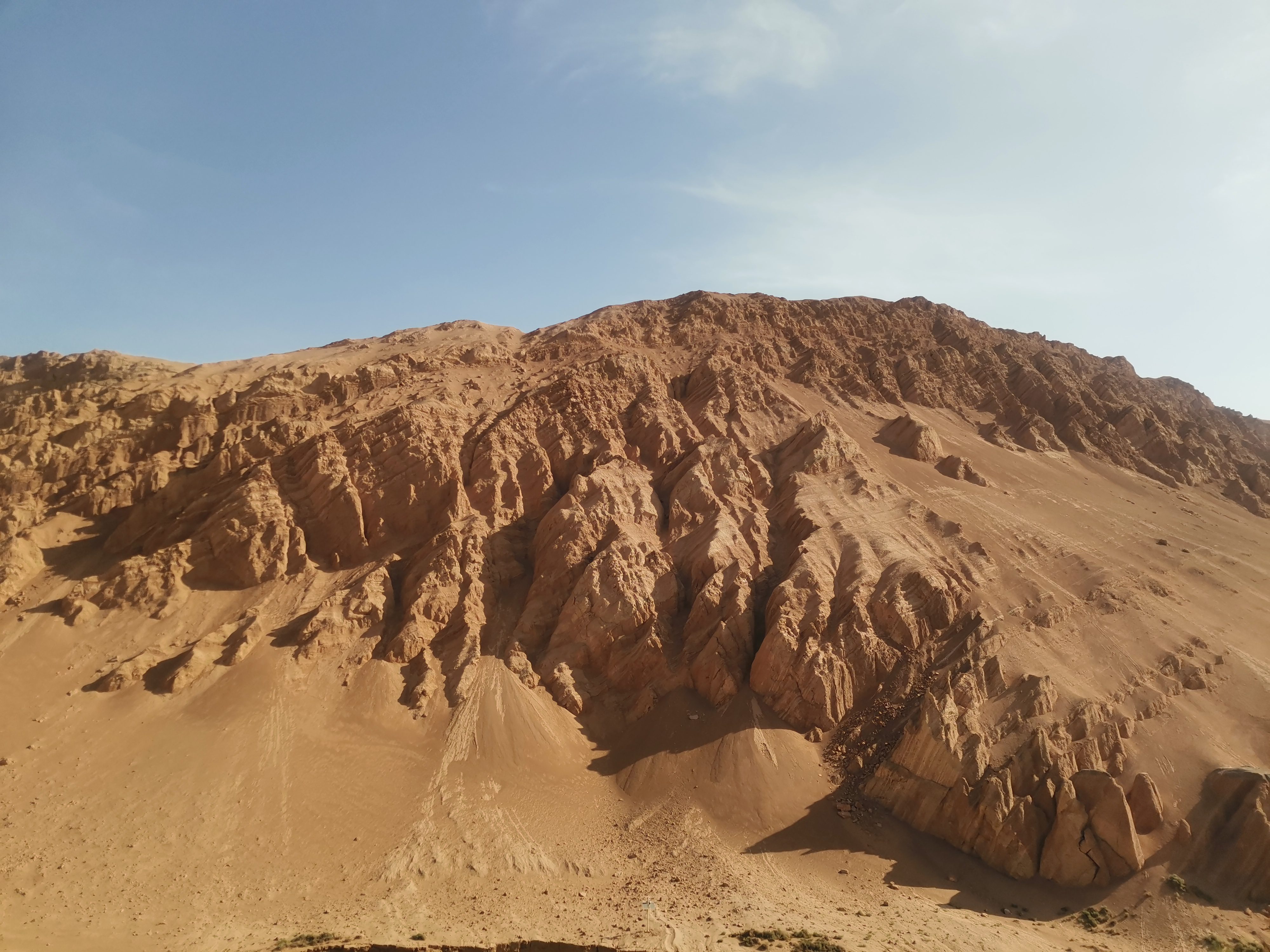
The train route itself is scenic in a subtle, desert-like way. Southern Xinjiang’s landscape is a tapestry of low hills and desert flats. The vastness of the Taklamakan Desert is never far in the distance, reminding us of the Silk Road history that once threaded through these regions. Though the train was not luxurious, it provided a practical and relatively quiet way to travel.


Affordable and Comfortable Stays in Southern Xinjiang
Our hotel in Hotan turned out to be an unexpectedly comfortable haven. Unlike Kashgar, which tends to be slightly more expensive due to tourism, most hotels in southern Xinjiang offer affordability without compromising basic comforts. We were able to secure a clean, spacious room for under RM200, which was excellent value.
The contrast with our earlier stay in Tashkurgan was striking. During our 4D3N Tashkurgan trip, accommodation options were both limited and costly, a result of high-altitude isolation, fewer guesthouses that accept foreigners, and a general scarcity of modern facilities. In Hotan, by contrast, there is a growing infrastructure catering to travelers, likely influenced by its status as a regional hub on the southern Silk Road corridor.
Dinner at 疆域八十七号:A Dianping-Approved Surprise
We took a taxi to 疆域八十七号, a restaurant highly recommended on Dianping. Taxis in southern Xinjiang are generally inexpensive, whether hailed on the street or booked via an app. In contrast to Beijing—where street-hail taxis often quoted two to three times the normal fare—Hotan felt refreshingly reasonable. Train station taxis may ask for a small premium, but it’s nothing unreasonable.
We typically rely on Gaode (Amap) for GPS navigation and hailing rides. When Gaode didn’t work, we turned to Didi via Alipay. In smaller towns, online taxis are fewer, and though app rides are cheaper, drivers often earn less. Sometimes we prefer to ask drivers to use the meter to support them fairly.


The restaurant itself exceeded expectations. We finally tried 大盘鸡 (big-plate chicken), which we had previously avoided because of its enormous portions for two and mixed experiences in Shanghai. Here, the dish was phenomenal: tender, flavourful chicken with a firm, muscular texture; potatoes cooked to perfection—spicy, soft, and satisfying; and the pilaf rice served with juice was an excellent complement. The combination of spices and texture made it a dish we might not stop thinking about for days.
An Evening Stroll & Hotan Jade Temptations

After dinner, we wandered around the neighbourhood and stepped into a jade shop with an impressive collection—and a very adorable cat. Hotan is famous for jade, so the city is filled with such shops.
However, as outsiders with no expertise, we couldn’t reliably differentiate real from fake, so caution is always wise.
Exploring the Hotan Museum
The next stop was the Hotan Museum, which houses an unexpectedly rich collection of artifacts. From ancient Buddhist relics and Silk Road treasures to jade carvings and traditional Uyghur costumes, the museum offers a glimpse into Hotan’s layered history.
Hotan was a key oasis town along the southern Silk Road, connecting China with Central Asia and beyond. The museum emphasizes this historical significance, showcasing items that trace trade, religious practices, and local craftsmanship across centuries. The exhibitions were well-preserved and thoughtfully curated, making it a must-visit for anyone interested in the region’s history and culture.


Old Night Market vs. New Night Market
Hotan has two night markets:
Hotan Old Night Market
The Old Night Market is a lively, bustling maze of food stalls and vendors. The aroma of grilled meats, hand-pulled noodles, and local pastries fills the air. While the market offers fewer merchandise options, it’s ideal for sampling authentic local snacks. Wandering through the stalls, one gets a sense of the city’s rhythm after sundown.


Hotan New Night Market
In contrast, the New Night Market feels more like a modern food court: clean, organized, and predictable. While this may appeal to some travelers seeking convenience, it lacks the charm and spontaneity of the older market. For us, it was less memorable, though it does highlight the city’s efforts to modernize while catering to different tastes and hygiene expectations.
Reflections on Hotan
Hotan is a city that quietly balances its ancient Silk Road heritage with modern living. The streets, markets, and museums all tell a story of centuries-long trade, cultural exchange, and local craftsmanship, particularly in jade. While the city may not be as flashy or tourist-centric as Kashgar, its charm lies in authenticity—affordable accommodations, unhurried streets, and the subtle vibrancy of daily life.
For travelers interested in culture, history, and culinary exploration, Hotan offers a rewarding experience. From the smooth train journey through desert landscapes to discovering jade treasures and savoring hearty Xinjiang dishes, the city leaves an impression that lingers long after leaving.




Leave a Reply