

22 May 2025
From Takeo to Nagasaki: Gardens, Porcelain Villages & Takeaway Yakitori
The next morning, we had a sumptuous breakfast, went back to the onsen one last time, and picked up the complimentary entrance ticket from our hotel reception.
Mifuneyama Rakuen Garden (御船山楽園)


I wanted to see the famous Mifuneyama Rakuen, a vast garden at the base of Mt. Mifune, originally created in 1845 by Shigeyoshi Nabeshima, the 28th feudal lord of Takeo. Designed as a strolling garden, it spreads across 150,000 square meters with ponds, tea houses, and dramatic views of the cliffs behind.
In spring, the garden is filled with azaleas and cherry blossoms; in autumn, the maples turn the slopes fiery red.
It looked really pretty in the photos I’d seen—but in person, during late May, it felt just so-so. Don’t get me wrong: it is peaceful, with lovely touches, and because the grounds are carved into the mountain, it feels more natural and slightly wild compared to manicured Kyoto gardens. But after the Kumano Kodo hike, we’d already had our fill of greenery. The colors just weren’t as striking this season. Still, it was a calm walk, and on the way we only saw one middle-aged Japanese couple—quiet, almost private.
💡 Travel Tip: Best seasons are late April–early May (azaleas and wisteria) or November (autumn foliage). If you’re short on time, the garden is directly linked to some Takeo hotels—easy for a quick visit.
Takeo Library – Books, Coffee & Tsutaya Collaboration
Next, we drove to two quirky stops. The first was the Takeo sewage department, where we stopped to collect a manhole card (yes, it’s a thing in Japan!).

Then came the Takeo City Library, which I’d been curious about.
In 2013, Takeo City collaborated with Tsutaya Books (CCC – Culture Convenience Club) to reimagine its library. The result is a stylish, hybrid space: part public library, part bookstore, part café. It’s open late, offers curated books for purchase alongside free borrowing, and has spaces for exhibitions and events.
I’d call it semi-famous. If you Google “most beautiful libraries in Japan,” it shows up. But in reality, not many tourists visit—it’s still more of a community spot. I really enjoyed it. It wasn’t crowded, and it felt like the town was deliberately investing in culture, not just hot springs.
💡 Travel Tip: The library is free to enter and stays open until 9 pm. Even if you don’t read Japanese, it’s worth a stop for the architecture and atmosphere.
Porcelain Day – Okawachiyama


This day was all about porcelain.
Our first stop: Okawachiyama (大川内山), known as the “Village of Secret Kilns.” In the Edo period, the Nabeshima clan moved their kilns here to protect porcelain-making techniques. Surrounded by mountains, guarded by samurai, the valley remained closed to outsiders for centuries. The porcelain produced here was reserved for the shogunate and daimyo families.
I loved this place immediately. The village is small, perched on a hillside, with rows of pottery shops. Some were bargain-friendly, others displayed true works of art. An elderly man proudly told us his kiln was the first from Okawachiyama to hold a solo exhibition at the British Museum. Another shop showcased a line called cuire (“leather” in French)—porcelain fired to mimic leather. Normally porcelain is glossy and smooth; these pieces looked matte and textured like leather. Stunning.
Even the village itself celebrates porcelain: bridges decorated with porcelain tiles, public toilets with kimono-clad porcelain figures, porcelain wash basins—it was everywhere. I was so glad we found this place during our research—it felt like a hidden treasure.
💡 Travel Tip: Okawachiyama is easiest to visit by car (15 minutes from Imari Station). Allow at least 2–3 hours to explore shops and enjoy the unique village setting.
Arita – The Birthplace of Japanese Porcelain


From there, we drove to Arita (有田), the birthplace of Japanese porcelain. In the early 1600s, Korean potter Yi Sam-pyeong discovered porcelain clay (kaolin) in the hills here, and Arita-yaki was born. Exported via Imari Port, it became known abroad as “Imari ware.” Through the Dutch East India Company, these wares reached Europe and influenced Meissen porcelain in Germany.
By the time we arrived—around 3 p.m.—the town was quiet, many shops already closed. Still, we explored what we could.
The highlight was the Porcelain Shrine (Tozan Jinja 陶山神社). Here, porcelain is woven into the sacred architecture: gates, lanterns, even guardian dogs are all porcelain. Climbing up, you even cross a train track—a quirky detail that made the visit memorable.
We also visited Gallery Arita, a row of shops and studios. Unfortunately, we didn’t have time for the Arita Porcelain Park, with its replica of Dresden’s Zwinger Palace, or the Izumiyama Quarry, the birthplace of porcelain clay in Japan. In truth, Arita deserves a full day, maybe two. We only had four hours, which felt rushed.
💡 Travel Tip: Plan at least one full day for Arita. Shops close early (often around 4–5 pm), so arrive before lunch. The Porcelain Park and Quarry are highlights not to miss.
Yakitori Stop – Takeaway from a Local House
Before leaving, I found a yakitori shop online, tucked inside a private house. We stopped by and placed a takeaway order. The couple running it didn’t speak English, but they were kind and welcoming. Prices were reasonable, and while it took about 20 minutes to prepare, they offered us drinks while we waited.

It felt homey and authentic. We left with our yakitori neatly packed, ready for the drive. But since it was already dark and we had a 45-minute journey to Nagasaki ahead, we couldn’t linger.
💡 Travel Tip: In small towns, restaurants often close early. Check opening hours and be prepared for slower service—it’s part of the charm.
Nagasaki (Moji Hostel Stay)
Our final stop was Nagasaki, though we stayed outside the city center at a seaside hostel in Moji. Looking back, with only two nights, central Nagasaki would have been more practical.
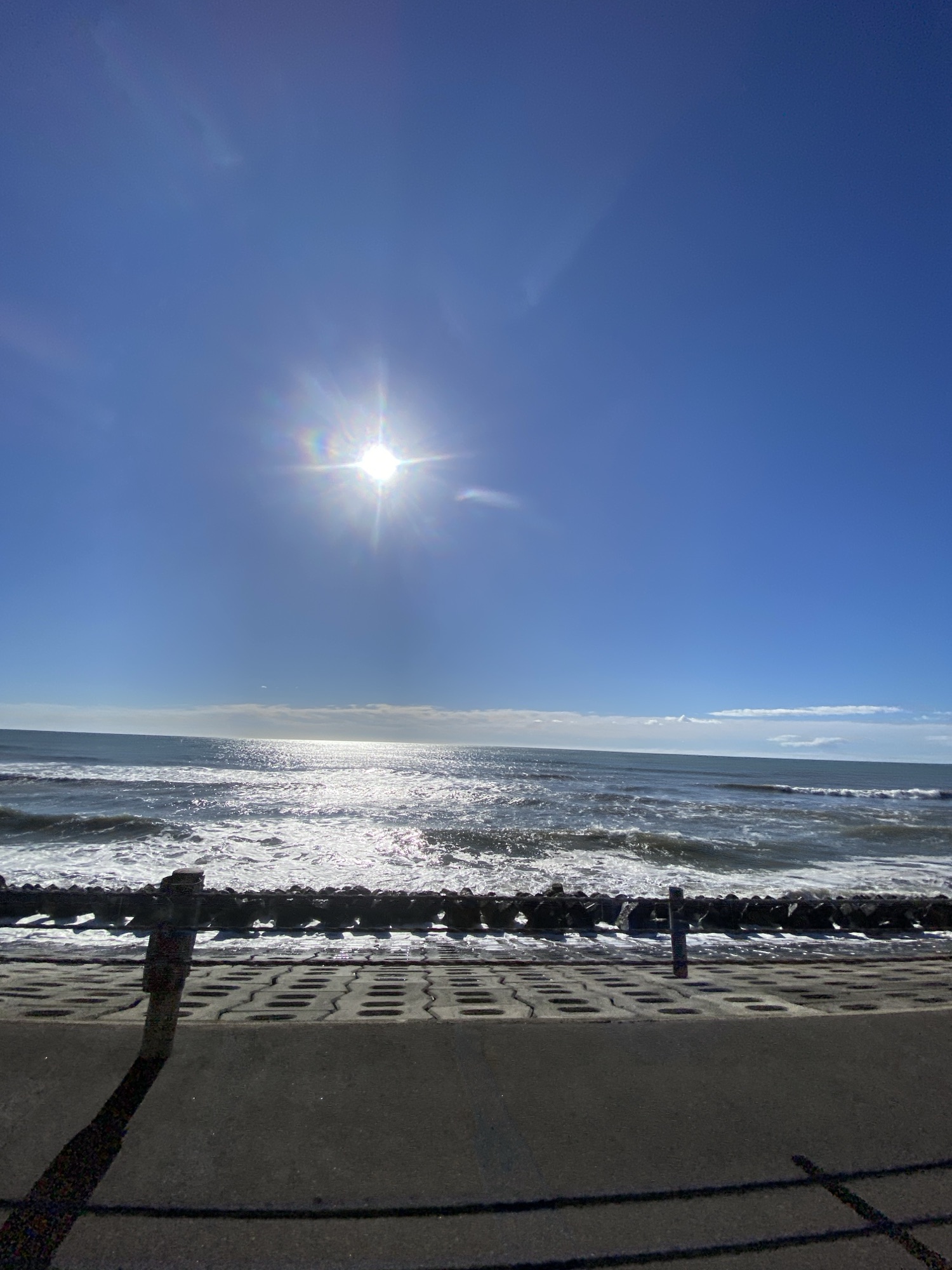
But the hostel itself was lovely—two spacious buildings, plenty of room (rare in Japan), and I think we may have been the only guests that night. It was quiet and comfortable. We unpacked, ate our takeaway yakitori, and listened to the waves.
It was a fun, different experience to stay somewhere remote. But for such a short visit, the town center would have made more sense. Still, part of the joy of travel is in these small detours and “what if” moments.
💡 Travel Tip: For short stays, base yourself in Nagasaki city center for easier access to sights. Choose coastal stays if you want peace and don’t mind driving.
👉 A complete 38-day Japan itinerary, including Nakasendo walking, Kumano Kodo hiking, Shimanami Kaido cycling, and a Kyushu road trip.
👉 Guide and tips for collecting Manhole Cards across Japan — click here to read more.
👉 Don’t miss Japan’s postcard-sending experience — read the full guide here.
👉 10 standout food experiences worth seeking out – Japan Foodie Map: My Top 10 Meals Across Japan


Leave a Reply