
This is a complete 38-day Japan itinerary covering the Nakasendo Trail, Shimanami Kaido, Kumano Kodo, and a full Kyushu road trip—based on actual travel experience, not just planning.
It focuses on how to connect these routes realistically, with transport strategies, accommodation choices, and small lessons that made a big difference along the way.
Who This Itinerary Is For
- Travelling 3–6 weeks in Japan
- Interested in hiking, cycling, and cultural routes
- Comfortable with light logistics planning
- Prefer a mid-range budget (¥25,000–¥40,000/day)
🗺️ Quick Route Overview
| Phase | Area | Estimated Days | Transport |
|---|---|---|---|
| 1 | Nakasendo (Nagoya → Gifu) | 5–7 | Train + walking |
| 2 | Shimanami Kaido | 4–5 | Cycling |
| 3 | Kumano Kodo | 7 | Bus + hiking |
| 4 | Kansai Loop | 9 | Train + Car |
| 5 | Kyushu Loop | 10 | Rental car |
Phase 1 — Nakasendo Trail Itinerary (Magome to Tsumago & Beyond)

📍 Route: Tokoname → Nagoya → Inuyama → Magome → Tsumago → Ochiai → Iwamura → Nagoya → Hiroshima
Walking the Nakasendo Trail is one of the easiest ways to experience old Japan.
The Magome to Tsumago stretch is the most famous, but continuing toward Ochiai gives a quieter, more nature-focused experience.
What worked well
- The preserved “post town” atmosphere
- Clear and manageable walking routes
What didn’t
- Arriving in Iwamura after 4PM — everything was already closed
Small but useful lesson
- In rural Japan, assume places shut early unless confirmed otherwise
Historical context
The Nakasendo was a key Edo-period route used by feudal lords travelling between Kyoto and Edo.
Phase 2 — Shimanami Kaido Cycling Route (Onomichi to Imabari)

📍 Route: Hiroshima → Miyajima → Iwakuni → Mihara→ Setoda → Imabari → Matsuyama → Tokushima → Wakayama City
The Shimanami Kaido connects multiple islands across the Seto Inland Sea via a series of bridges.
One standout stop is Hakata Salt Factory and the onsen beside it—unexpected, slightly random, and worth the detour.
What worked well
- Renting e-bikes (highly recommended)
- Splitting the ride into 2 days
What didn’t
- Underestimating wind resistance on the bridges
Small but useful lesson
- Without e-bikes, the ride can quickly become exhausting
Local context
This region is known for citrus farming—especially Setoda lemons and Ehime mikan.
Phase 3 — Kumano Kodo Walking Itinerary (Kii Peninsula)

📍 Route: Wakayama City → Tanabe → Takahara → Chikatsuyu → Yunomine Onsen → Shingu → Nachi Katsuura → Osaka
The Kumano Kodo feels more remote and spiritual compared to Nakasendo.
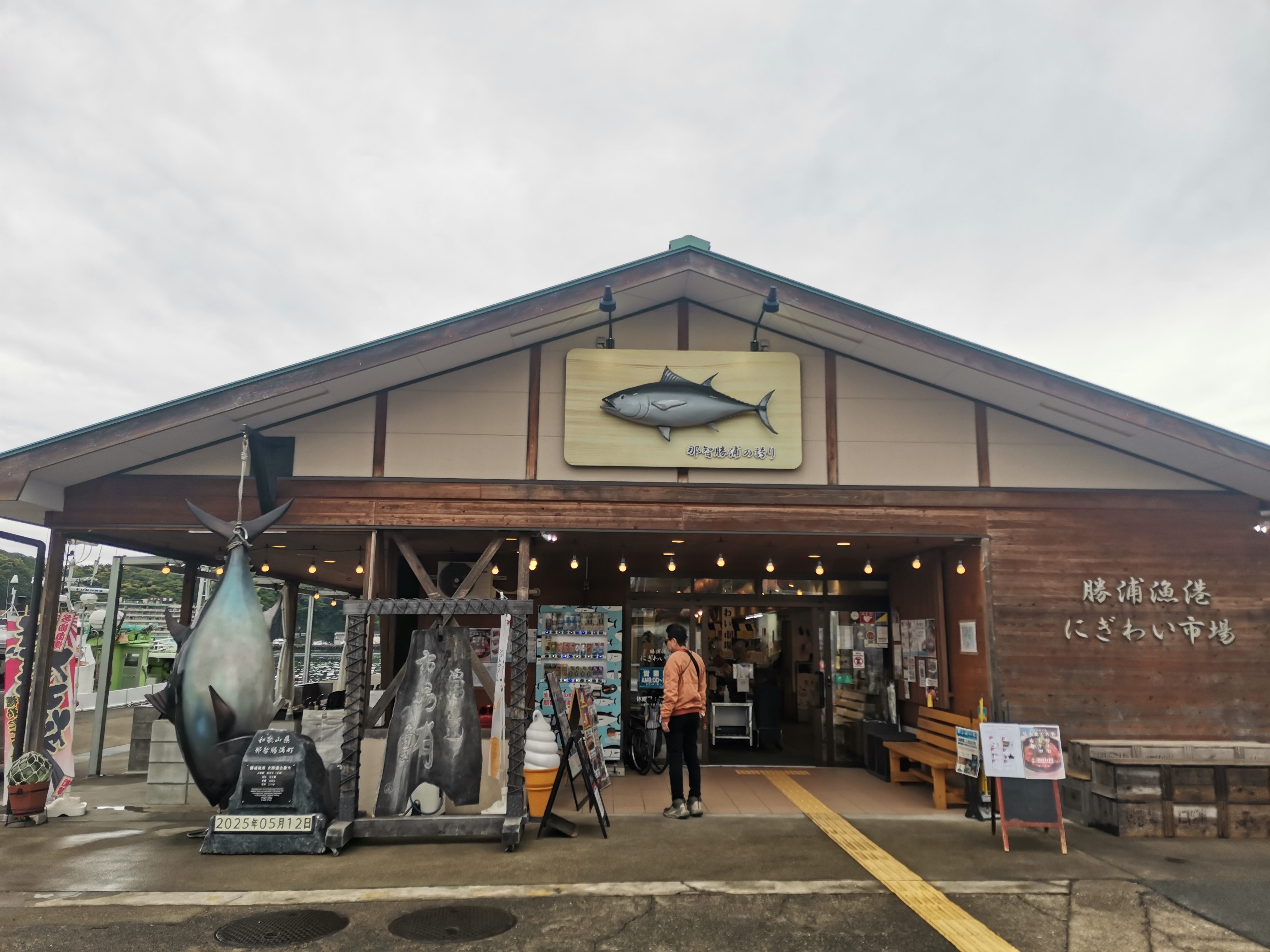
The highlight is reaching Nachi Taisha and Nachi Falls, Japan’s tallest single-drop waterfall.
What worked well
- Staying in minshuku (local guesthouses)
- Slower, more intentional pacing
What didn’t
- Weather disruptions (rain cancelled the river cruise)
Plan B that worked
- Taking the bus instead of the river cruise still followed the same scenic route
Small but meaningful moment
- Repeatedly meeting the same fellow travellers along different sections of the trail
After completing the serene Kumano Kodo trails, Phase 4 shifted gears—grand castles, ancient gardens, and bustling city streets awaited us in Kansai and Chugoku.
Phase 4: The White Walls & Black Castles (Kansai → Chugoku)

Route: Osaka → Kyoto → Himeji → Nara→ Kurashiki → Okayama → Osaka
Vibe: Grand feudal history, bustling modern energy, and artistic discoveries along the way
Himeji Castle 🏯
Steep stairs, majestic views, and that famous “White Heron” elegance.
Tip: The pedestrian lane from the station to the castle is perfect for a first taste of city life after your mountain trek.
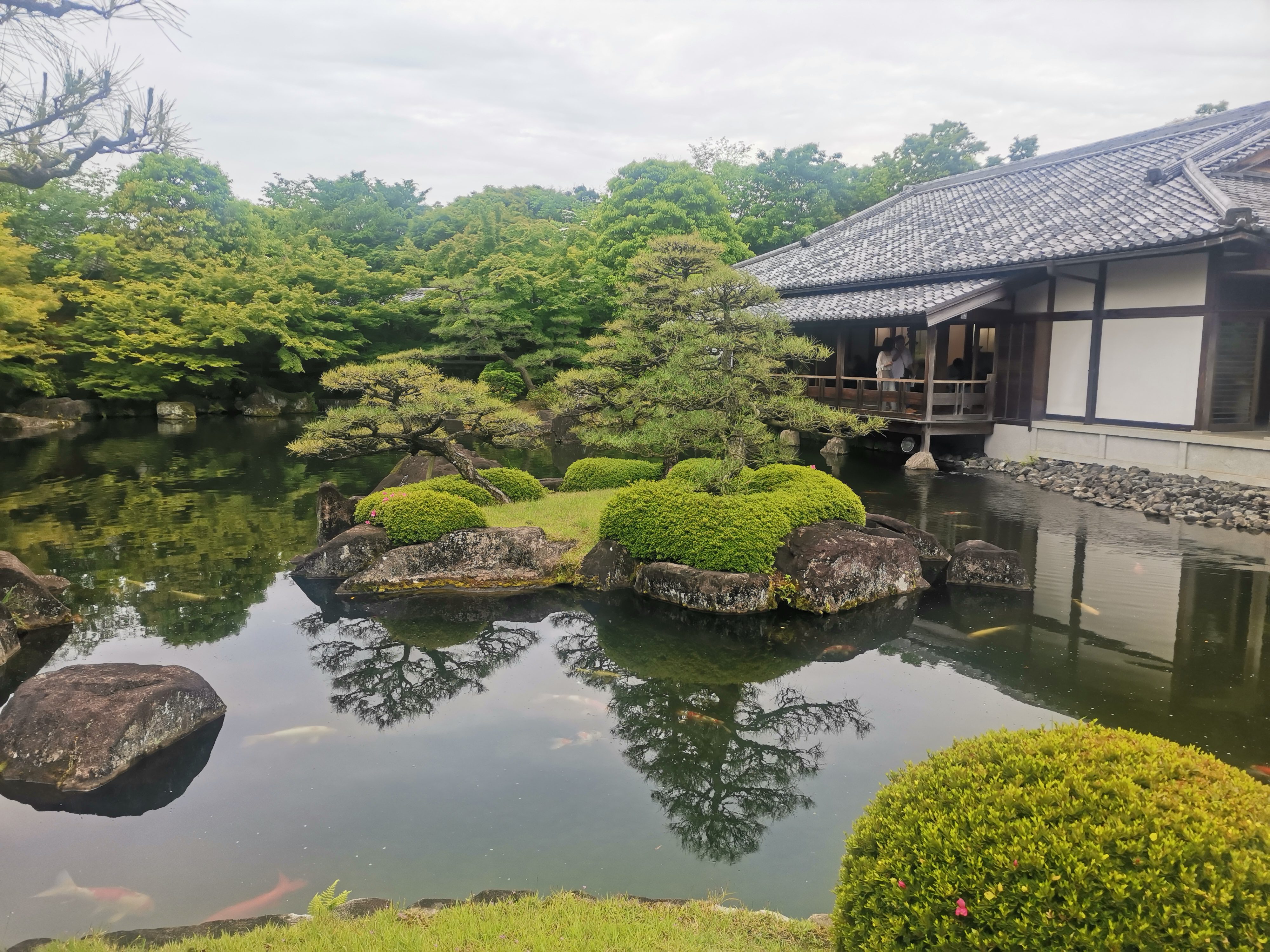
Okayama Crow Castle & Korakuen Garden 🌿
Black exterior contrasts beautifully with Himeji’s white. Korakuen Garden feels like a living painting—perfect for a relaxed stroll.
Tip: Bring sunscreen; shade is minimal.
Kurashiki Bikan District 🛶
White-walled warehouses, canals, and quaint boutiques.
Tip: If boat rides are full, wander the alleys—antique shops and denim boutiques are a treasure hunt.
🗺️ Phase 4.1: Kyoto & Osaka Chapter
Ukiyo-e Hunt, Kyoto 📚
Morning in antique bookshops on Teramachi Street hunting for 200-year-old prints.
Tip: Early arrival avoids tourist crowds; it’s a peaceful, rewarding break after a day of castles and gardens.
Arashiyama Hozugawa River Boat ⛵
2-hour ride through rapids.
Tip: Use plastic covers—you WILL get splashed! A slow, scenic experience before hitting the Bamboo Grove.
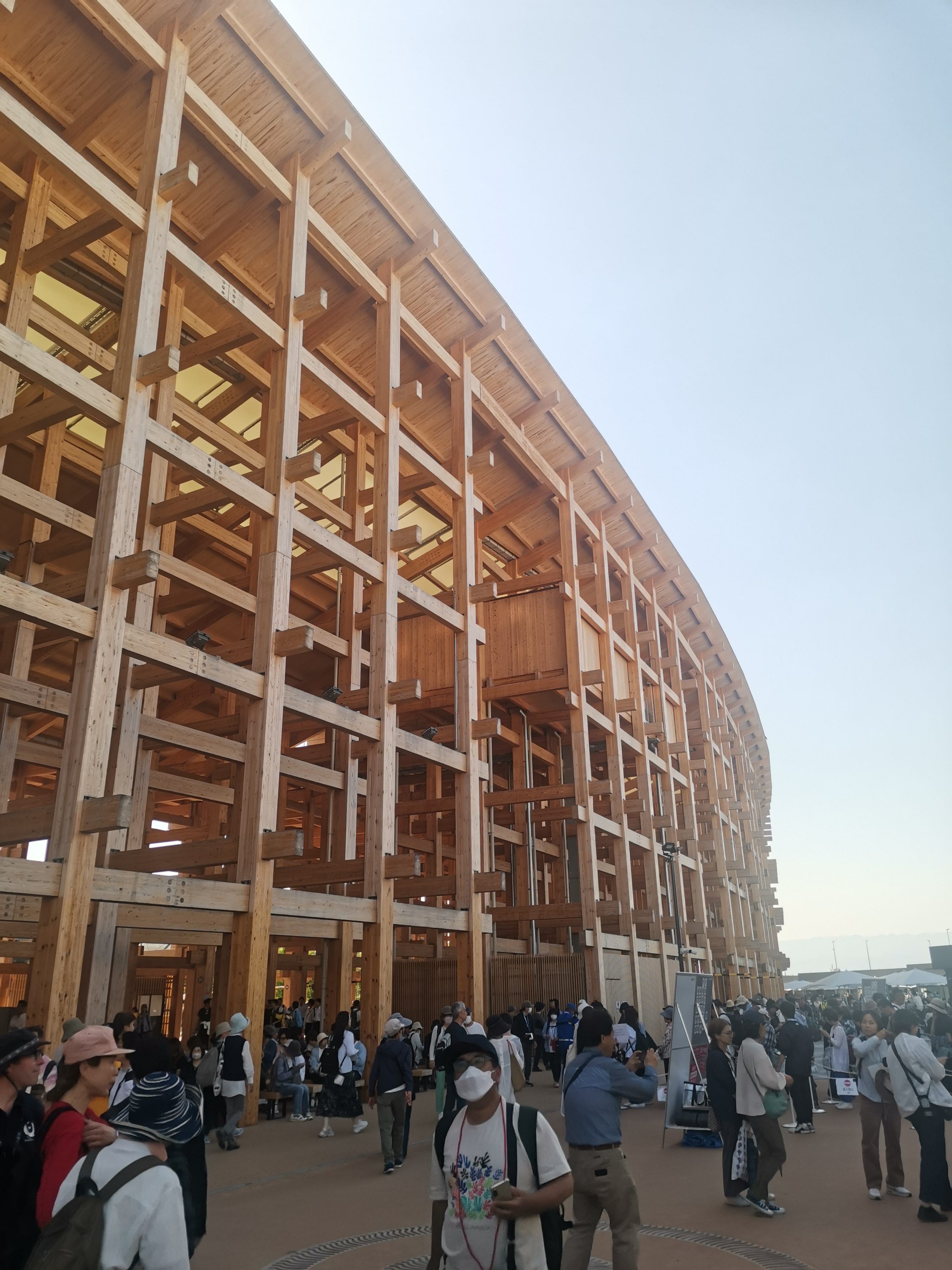
Osaka Expo 2025 🎡
Queues can be long; some pavilions are underwhelming. The highlight? Umeshu (plum wine) tasting.
Tip: Hit tasting spots early for a better experience.
Nara Deer Encounter 🦌
Deer roam everywhere!
Tip: Hide paper bags—they think they’re snacks. Feeding them is fun, but the deer are cheeky.
Phase 5 — Kyushu Road Trip Itinerary (Porcelain Villages & Coastal Drives)

With castles, gardens, and city vibes behind us, Phase 5 took us southwest, chasing the islands, seafood, and culinary adventures of Kyushu.
📍 Route: Osaka → Kokura → Imari → Takeo Onsen → Okawachiyama → Arita → Nagasaki → Amakusa → Akune →Kagoshima → Kumamoto → Takachiho → Kurokawa Onsen → Yufuin Onsen → Fukuoka
Driving through Kyushu gives access to quieter, less-visited areas.
A standout stop is Okawachiyama, where ceramics are integrated into daily life—from bridges to water basins.
In Nagasaki, visiting Dejima adds an unexpected historical perspective, including connections to Southeast Asia.
What worked well
- Flexibility of having a car
- Scenic ferry crossings
What didn’t
- Long drives in bad weather (especially in Amakusa)
Small but useful lesson
- Always check ferry timing in advance—they can save hours
🧠 Small Things That Made a Big Difference
- Luggage forwarding (takkyubin) made hiking much easier
- E-bikes turned Shimanami from difficult to enjoyable
- Ferry routes can replace long train detours
- Having a flexible mindset mattered more than a perfect plan
- Lunch sets are often better value than dinner
🚢 Useful Ferry Routes (Time-Saving Shortcuts)
- Osaka → Kokura (overnight ferry): saves 1 hotel night
- Tokushima → Wakayama: easiest access to Kumano Kodo
- Nagasaki → Amakusa: efficient for road trips
- Kagoshima → Sakurajima: frequent and easy
⚠️ What This Trip Is Actually Like
- Frequent hotel changes
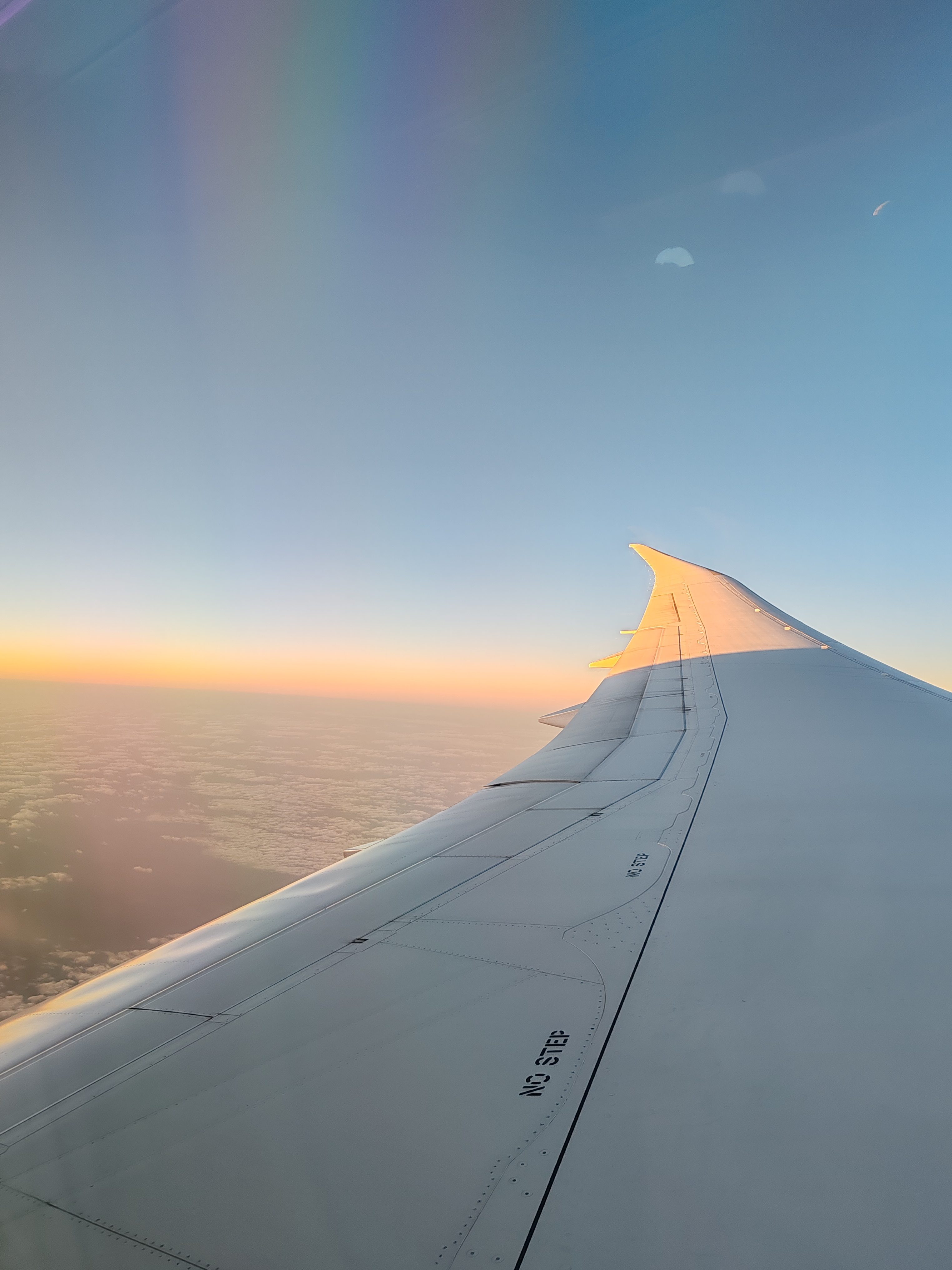
- Multiple transport types (train, bus, ferry, car)
- Weather can disrupt plans
- Rural areas close early
This itinerary works best if you stay flexible rather than trying to optimise every detail.
🧳 Practical Japan Travel Tips (2026 Edition)
Traveling Japan in 2026? Here’s a complete toolkit of tips, hacks, and insider advice for a smooth, fun, and stress-free trip—from bustling cities to mountain trails and remote islands.
✈️ Before You Go
- Visit Japan Web Registration: Pre-register immigration & customs to generate QR codes. Saves at least 30 minutes at arrival.
- Book Accommodation Early: Peak seasons like Golden Week or Obon fill fast—book 6+ months in advance for popular hotels or inns.
🛬 On Arrival
- IC Cards (Suica / Pasmo): Set up in Apple/Google Wallet for instant tap-and-go convenience on buses, trains, and vending machines.
- eSIM (Docomo Network): Rural coverage matters! Docomo-based eSIMs (Roafly, Ubigi) work best on trails like Kumano Kodo.
🚶♂️ During the Trip
- Cash is Still King: Small towns in Kyushu, Kii Peninsula, and remote islands may not accept cards. Keep at least ¥10,000–¥20,000 in cash.
- Luggage Forwarding (Takkyubin): Send large bags ahead to hotels for a hands-free trip, especially when hiking or cycling. Most Smile Hotels and FamilyMart locations can help.
- Shinkansen Oversized Luggage Rule: Bags over 160cm (H+L+W) need a reserved “oversized baggage” seat to avoid a ¥1,000 fine per bag.
- Lunch Hack: High-end restaurants often serve the same quality ingredients at discounted lunch sets (11:30 AM – 2:00 PM).
🎒 Essential Apps & Connectivity
- Safety Apps:
- NERV: Real-time earthquake and weather alerts
- VoiceTra: Quick and accurate Japanese translation
- Digital IC Card Management: Load and top-up your Suica or Pasmo via your phone for seamless travel.
🏨 Accommodation Strategy
- City Stays: Smile Hotel is reliable, clean, and conveniently located near major transport hubs.
- Trail Stays:
- Magome Chaya: Base for Nakasendo; larger inn style.
- Minshuku Wago (Chikatsuyu): Incredible hospitality, bus stop at the door for Kumano Kodo hikers.
🚆 Transport & Travel Logistics
- Regional Rail Passes: Consider Kansai-Hiroshima Pass or All Kyushu Pass for budget-friendly travel instead of nationwide JR Pass.
- Ferry Travel Hack: Osaka → Kokura night ferry saves one night’s hotel and gets you to Kyushu by dawn.
👉 Guide and tips for collecting Manhole Cards across Japan — click here to read more.
👉 Don’t miss Japan’s postcard-sending experience — read the full guide here.
✅ Quick Checklist for 2026 Travelers
- Passport valid for the entire stay.
- Visit Japan Web pre-registration done.
- Suica / Pasmo loaded; eSIM active.
- Cash on hand for rural areas.
- Luggage forwarding arranged if hiking or cycling.
- Oversized luggage reserved on Shinkansen if needed.
- Accommodation booked early, especially during Golden Week.
- Safety and translation apps installed.
- Take advantage of lunch sets to save money.
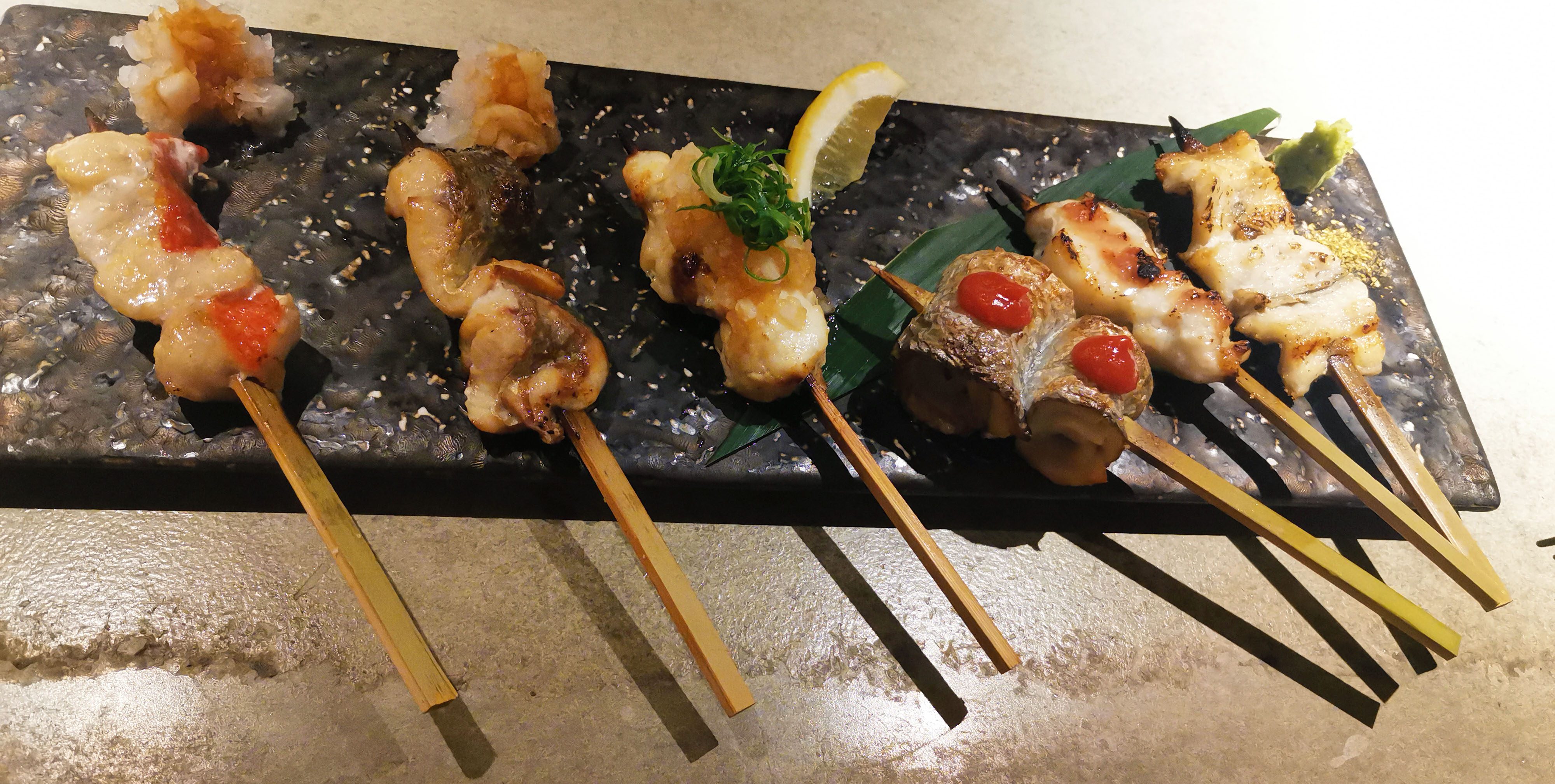
🍱 Memorable Food Stops Along the Route
- Fresh tuna in Kii-Katsuura
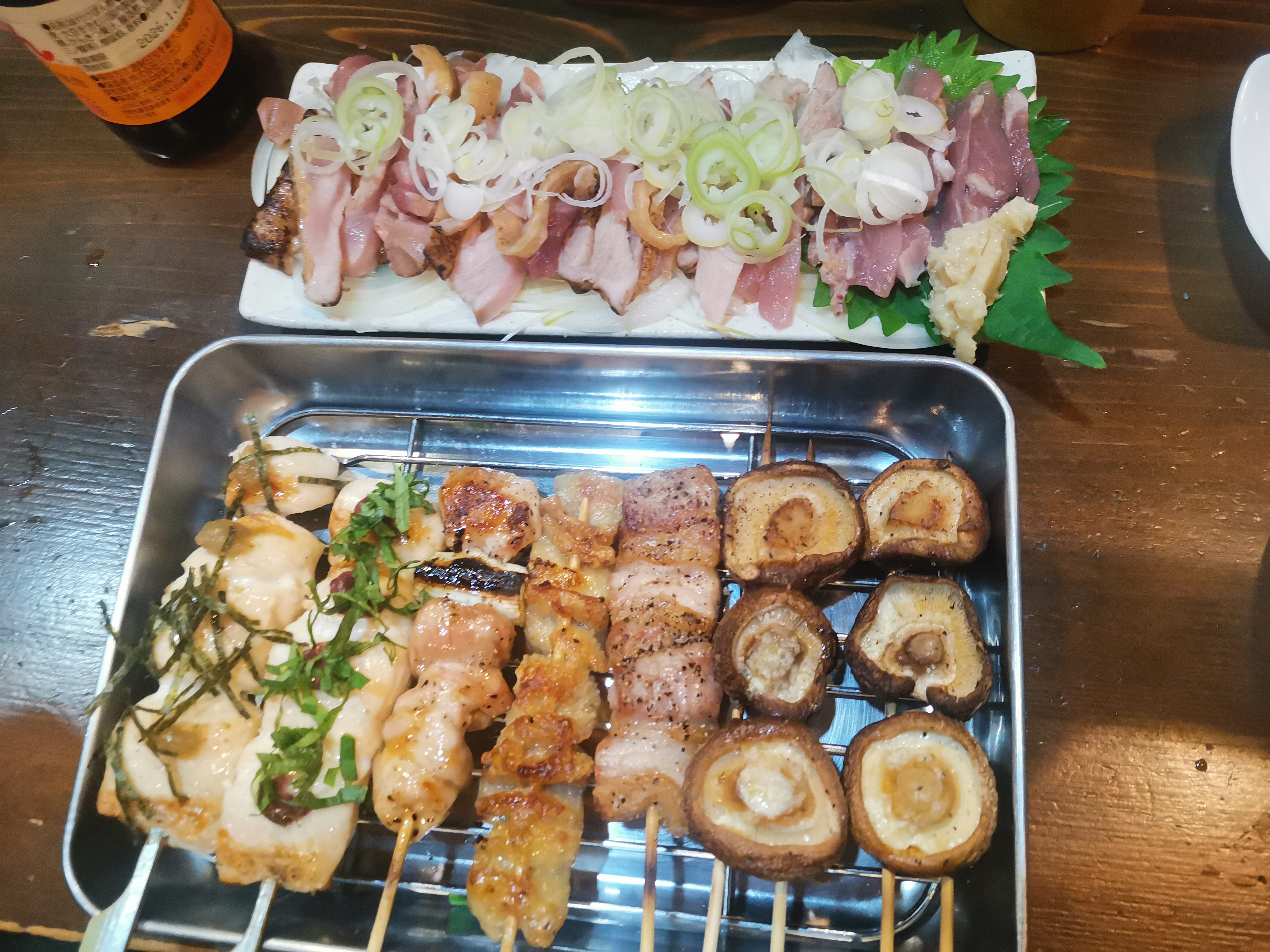
- Kagoshima black pork (kurobuta)
- Seafood in Hiroshima
- Lemon gelato along Shimanami Kaido
- Onsen tamago in Yunomine Onsen
👉 10 standout food experiences worth seeking out – Japan Foodie Map: My Top 10 Meals Across Japan
❓ FAQ
Is 38 days too long for Japan?
It has slow days and rush days, overall this route balances well w.
Can I shorten this itinerary?
Yes, focus on 1–2 phases depending on your interests.
Do I need a car?
Only for Kyushu.
Is this beginner-friendly?
Moderate—it requires some planning but is manageable.
Final Thoughts
This route works because it combines different sides of Japan—historic trails, cycling routes, spiritual walks, and rural road trips.
The key is not rushing.
Some of the best parts come from adjusting along the way rather than sticking too strictly to the plan.

Leave a Reply